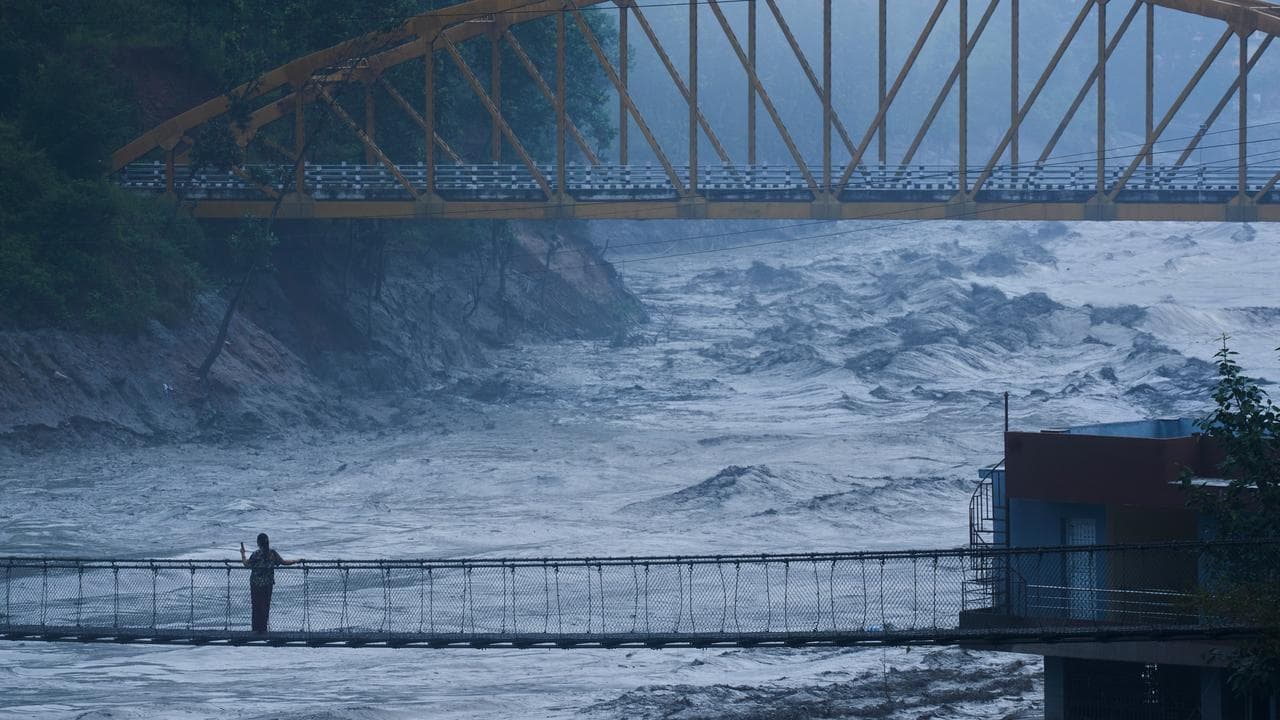
The death toll from catastrophic flooding in Nepal and China has passed 1000 as rescue teams work to reach communities cut off by the disaster.
Nepal’s disaster agency said 987 deaths had been counted there, with 4400 people missing - including 43 Australians. Chinese authorities reported 16 deaths in their most recent update on Sunday.
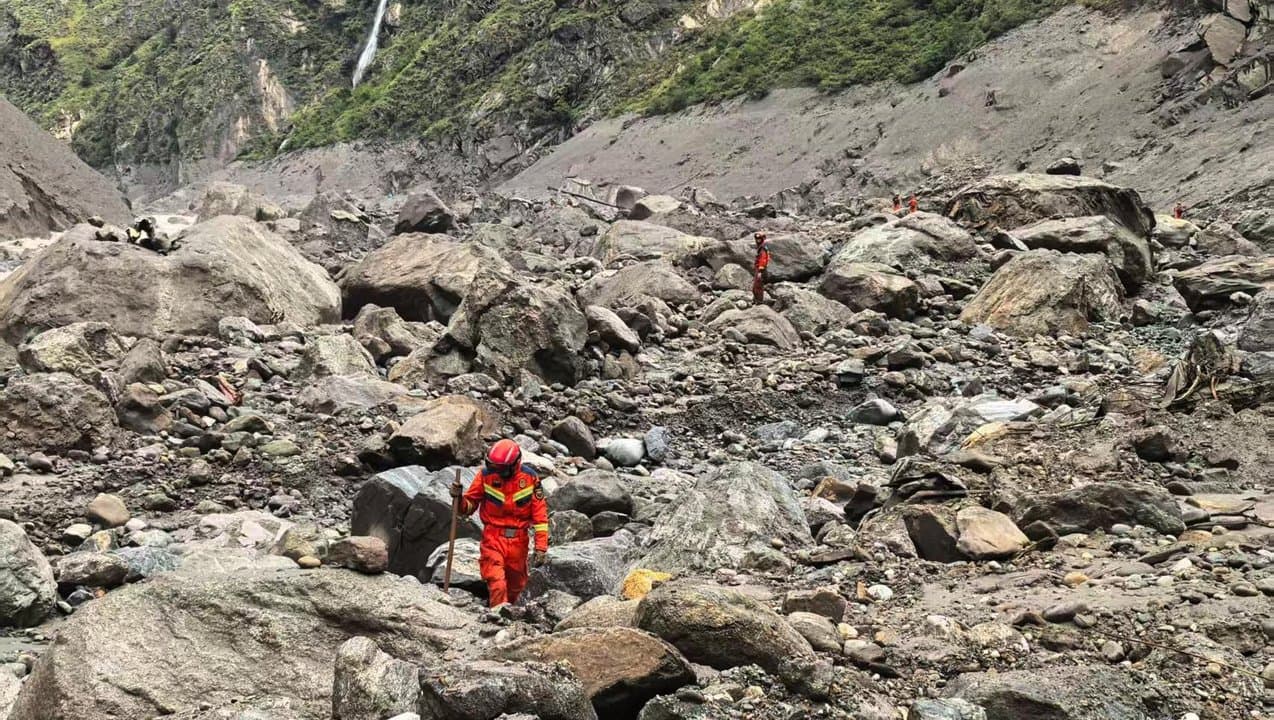
Wednesday’s disaster began with a chain of events high in the Himalayas. A glacial collapse sent large amounts of rock, ice and meltwater into valleys below, triggering powerful floods downstream.
Rescuers are racing to free hundreds of workers believed to be trapped in tunnels at hydropower sites buried in mud by catastrophic flooding on the Nepal-China border. About 600 people remain stuck in hydropower stations.
Nepalese Prime Minister Balendra Shah said over 11,000 people have been rescued across the affected region and power and communication lines had been restored in some areas.
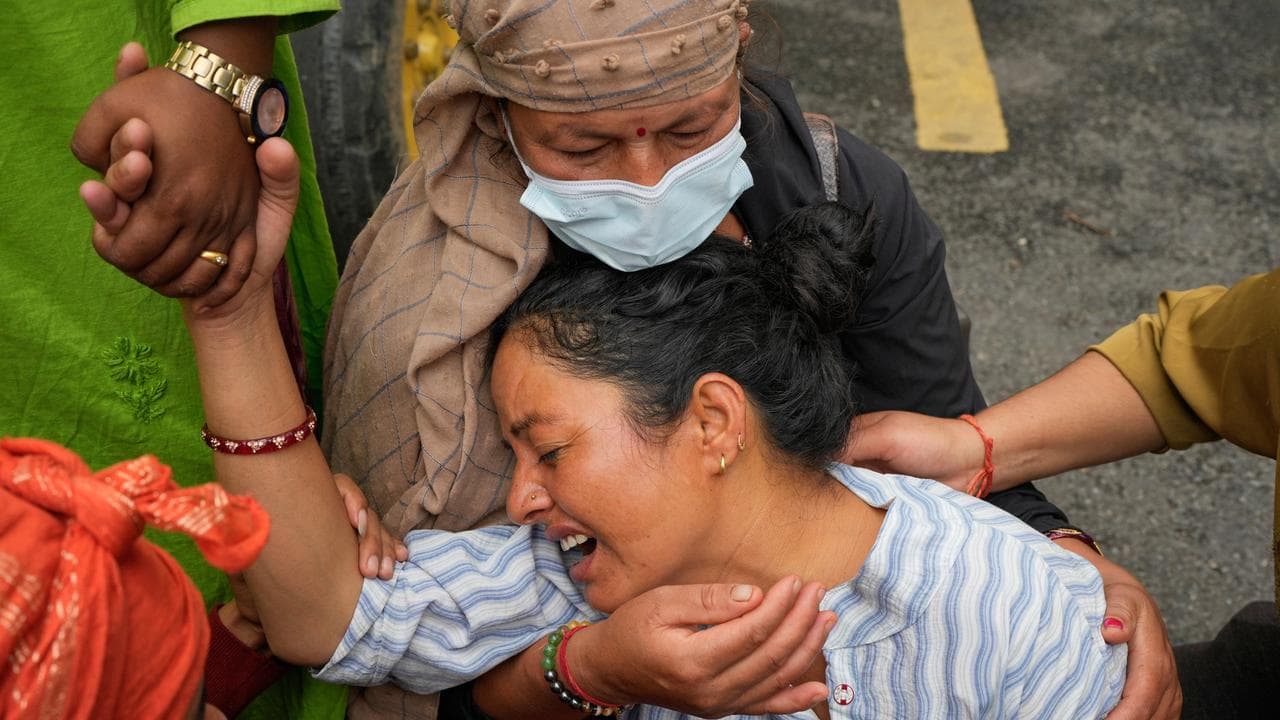
"Thousands of citizens have lost their homes, families, loved ones and property," he said.
"The government understands the immense pain they are enduring. The path ahead is to support them through this suffering and help them return to normal life through rehabilitation."
Some 65,000 people need emergency water, sanitation and hygiene materials, the UN said on Monday.
UN spokesman Stephane Dujarric told reporters more than 22,000 children needed protection, 2600 children under five will likely need treatment for severe wasting and around 10,500 pregnant and breastfeeding women need nutrition assistance.
Nineteen schools have been damaged, including nine that are completely destroyed. Eight others are being used to shelter displaced families.
“More than 10,000 school-age children need psychosocial support, and preliminary reports indicate that 107 children may have been separated from their parents or caregivers,” Dujarric said.
Four bodies were recovered from three mud-filled tunnels, Nepal's army said.
Some workers managed to call for help when the disaster struck on Wednesday, and others who managed to flee said many of their colleagues were still in the tunnels, said Mohan Kumar Dangi, president of the Independent Power Producers’ Association.
Fears were growing that some might have suffocated, Dangi said.
Rescue efforts were focused on people trapped in the gigantic tunnels built for controlling the flow of water.
“These tunnels are big enough to drive trucks through," said Jakob Steiner, a geoscientist at the University of Graz in Austria based in Dhaka, Bangladesh.
"And from what we understand, they have managed to get oxygen to some of those stuck inside and are trying to rescue them now. It's a race for time, though."
In the Upper Trishuli-1 Hydropower Project, in the hard-hit Rasuwa district, at least 576 people were missing, Dangi said, adding that about 300 of them were believed to be trapped inside a tunnel.
At the Trishuli-3 Hydropower Project, crews were working to descend about 15 metres into a tunnel in an effort to reach those believed trapped inside, according to Nepali army spokesman Brigadir General Raja Ram Basnet.
Workers shovelling mud from a flood-ravaged power station in Dhading, Nepal, said the station provided power to more than 20,000 people in the region.
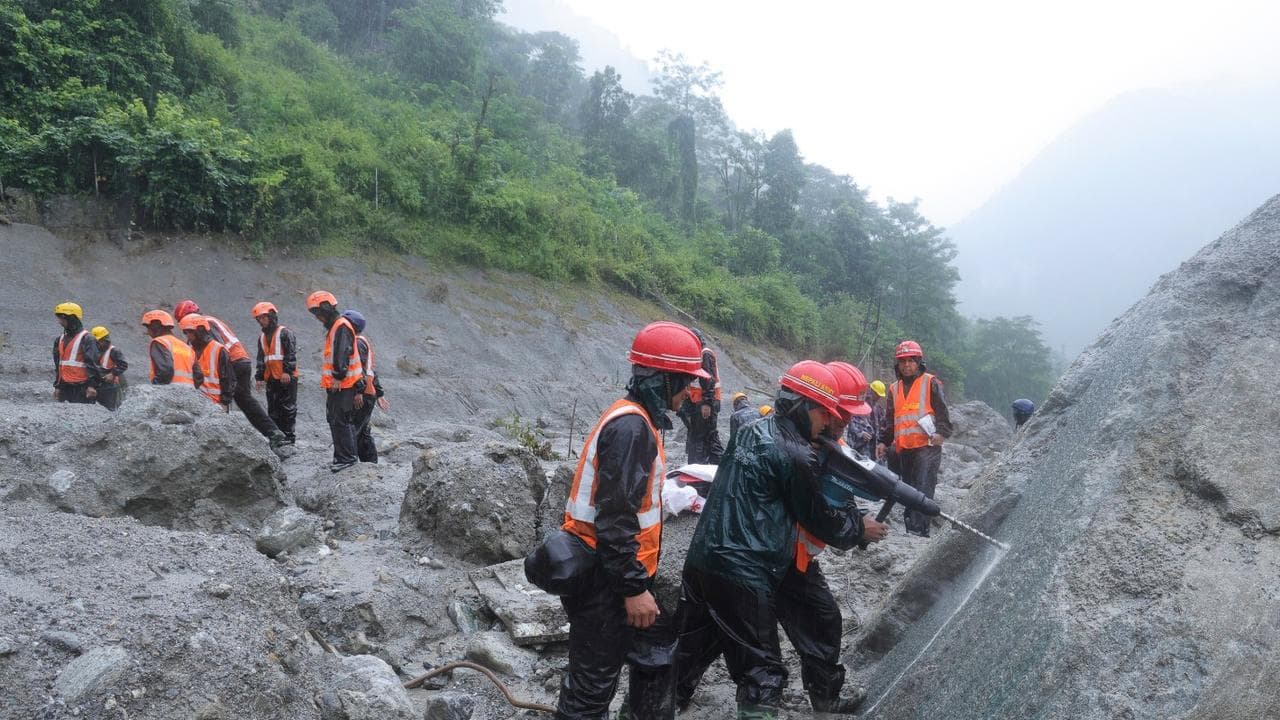
On the Chinese side, rescue and recovery efforts included rebuilding the road leading to the Gyirong Port border crossing that regulated travel between China and Nepal.
Trucks carried giant rocks as workers tried to repave a portion of the road, state broadcaster CCTV showed, next to rapidly rushing waters.
The road is now under two to three metres of water.
Wednesday’s flash floods started after a glacial collapse high in the Himalayan region.
Scientists who studied satellite images said bedrock underneath a glacier high in the Himalayan region had collapsed, taking part of the glacier with it.
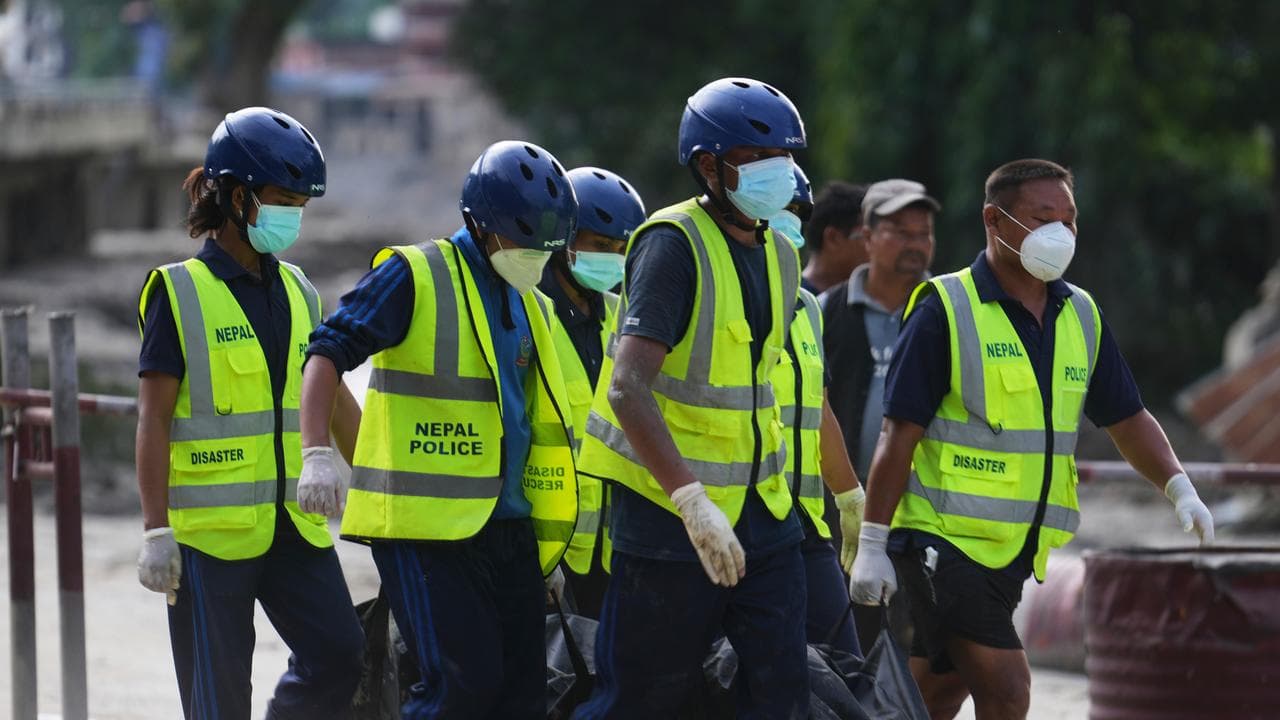
The first victims of the floods are being buried in mass graves in Nepal as authorities struggle to identify and store the growing number of bodies recovered.
The decision has sparked controversy in the predominantly Hindu country, where the dead are traditionally cremated.
Some relatives of the missing and other critics have questioned whether authorities began the burials too quickly and without sufficient regard for Hindu funeral rites.
with DPA and AP


