
It’s been weeks since a coroner identified clear and urgent steps to combat violence against women following the murder of 21-year-old sports coach Lilie James.
Domestic violence experts who hoped that time would be filled with decisive government action, though, say they are sorely disappointed.
Ms James was brutally murdered by her ex-boyfriend in the bathroom of St Andrew’s Cathedral School in Sydney in October 2023, just days after ending their casual relationship.
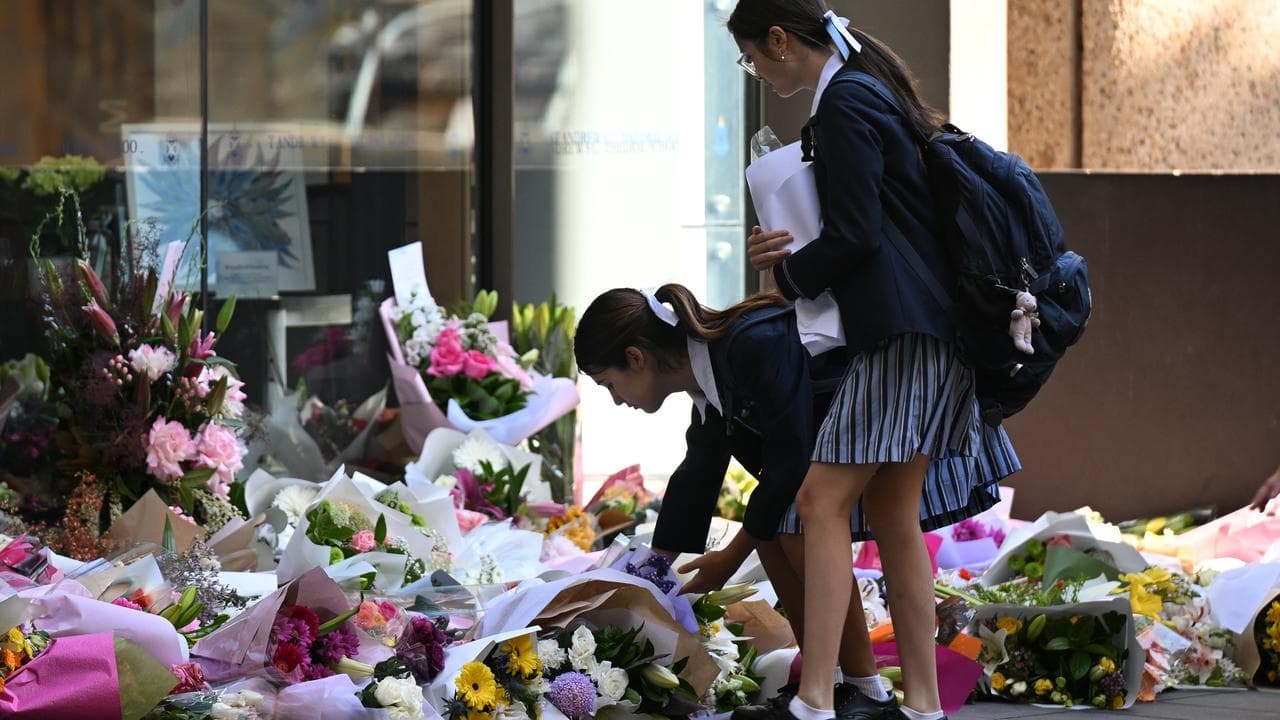
It's believed Paul Thijssen was seeking revenge for being rejected when he set a trap and fatally struck Ms James in the head at least 25 times with a hammer.
He practiced alternating the attack hours earlier during disturbing dry runs captured on surveillance camera before bludgeoning Ms James until she was unrecognisable.
While the details are gruesomely obscure, the scaffolding is not. Research shows a woman is killed on average every nine days in Australia by a current or former partner.
“Lilie’s death is not an isolated tragedy,” State Coroner Teresa O’Sullivan said when handing down her findings into Ms James’ death in November.
"It is part of a devastating pattern of violence against women that demands urgent and sustained action.”
She highlighted critical actions to prevent further losses of life, such as raising awareness about coercive control including the growing issue of technology-facilitated abuse.
But nearly two months later, a leading domestic violence expert says she is still waiting to see the suggestions implemented.
“In the midst of a national crisis of men’s violence against women and children, the absence of any concrete government response is disappointing,” Kate Fitz-Gibbon tells AAP.
“We cannot wait for yet another death to act. The recommendations from this inquest give governments clear actions that should be implemented now.”
Giving evidence at the inquest, the Monash University professor stressed Thijssen’s patterns of coercive behaviour including stalking Ms James both in person and online.
Such is a red flag that can indicate the risk of escalation to serious harm or homicide, she says.
But Thijssen’s obsessive digital surveillance was instead mistaken by friends as a sign of affection for Ms James, which Prof Fitz-Gibbon says is indicative of how worryingly normalised this behaviour has become.
Location sharing in relationships is so pervasive it’s almost become a romantic milestone for young people, according to the country’s peak body for ending men’s violence.
No to Violence CEO Phillip Ripper says although young people report heightened awareness of the dangers of sharing locations and intimate images, there is still a lot of social pressure to engage.
Research conducted by the eSafety Commissioner reveals one in five young adults think it reasonable to track a romantic partner whenever they want.
Frontline domestic violence support workers have reported hundreds of incidents of technology-based abuse since March last year, including the use of Bluetooth tracking devices.
Perpetrators have also remotely accessed connected smart devices - including cars - to intimidate and gaslight victims and used children’s devices to listen in on conversations.
Ms James’ murder confirmed what people in the domestic violence sector have long raised as an issue, says an eSafety spokesperson.

“Technology is being manipulated to carry out a particularly covert and insidious form of abuse, coercion and location-tracking.”
The urgency of the issue was noted by the coroner, who pushed for the expansion of educational programs to help young people identify and respond to coercive control, including technology-based abuse.
Ongoing educational programs tailored to young people delivered by eSafety and national violence prevention organisation Our Watch have already garnered positive results.
Many who engaged with a months-long Our Watch campaign in 2025 report they have since taken steps to alter their behaviour or support others.
“Change will not happen overnight and while there have been important steps since the coroner’s findings, there is much more work to do,” Acting CEO Amanda Alford tells AAP.
“The murder of Lilie James is a tragic reminder of why it is important we reach children and young people early and then across their lives, to make sure we can stop this violence before it starts.”
Respectful relationship education will also next term be taught in 150 public schools across NSW following an announcement by the state government.
The program - which includes a focus on the misuse of technology - is being rolled out as part of a $38 million strategy to prevent family, domestic and sexual violence.
Prevention of Domestic Violence Minister Jodie Harrison says the government is carefully considering the coroner’s suggestions in the context of work already under way.
“We want to make sure any actions taken are meaningful and can create a lasting impact on preventing violence,” she says.
Although the inquest into Ms James’ death was held in NSW, Prof Fitz-Gibbon argues the suggestions are nationally relevant and should be considered by all governments.
The recommendations align with the "deliberate, decisive action" the federal government is taking in partnership with states and territories, says the Department of Social Services.
The government has invested more than $4 billion in the National Plan to End Violence Against Women and Children, including a focus on working with men who use violence.
But what’s really needed is a dedicated national strategy focused on intervening with violent men, Mr Ripper says.
He champions the coroner’s call for the development of customised advice services for young men and boys to allow them to recognise problematic behaviour in themselves or others.
On the weekend before he murdered Ms James and then took his own life, Thijssen asked his flatmates for relationship advice.
Experts found it was a possible opportunity for intervention that was tragically missed.
There is a gap in services that could have helped, Mr Ripper says, noting the Men’s Referral Service isn’t funded or designed to cater to young men or boys.
He argues a dedicated advice service would be a valuable asset in the push to end domestic violence.
“We have to have to invest in actually getting violence to stop, rather than treating it as inevitable,” he says.
“We must act now and we must intervene because we can see the trend, and it's not going in the right direction.”
1800 RESPECT (1800 737 732)
Lifeline 13 11 14
Men's Referral Service 1300 766 491


