
The nation’s first high-level inquiry into artificial intelligence has chosen six key themes to guide its work, challenging the public to answer questions about the technology’s impact on society.
South Australia’s Royal Commission into Artificial Intelligence released a scoping paper on Thursday, four weeks after announcing its commissioners and terms of reference.
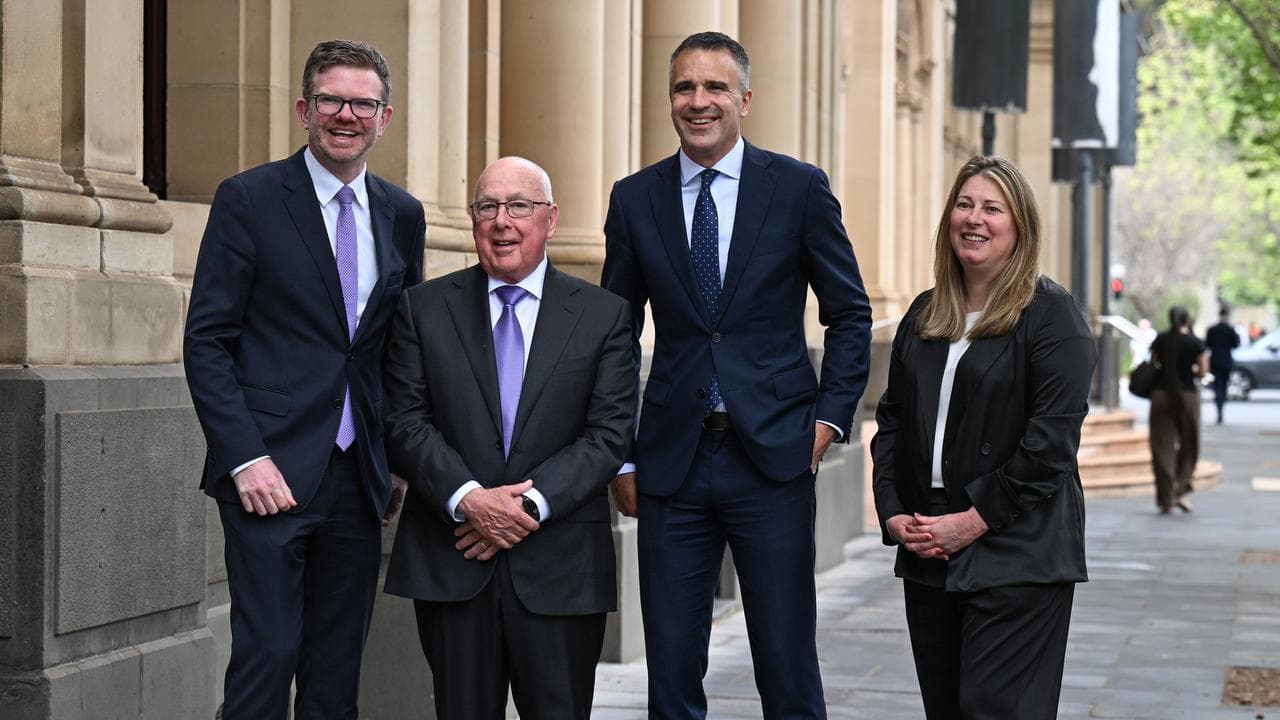
Premier Peter Malinauskas appointed former judge Iain Ross as chair, and global tech experts Kate Pounder and Christopher Manning as commissioners.
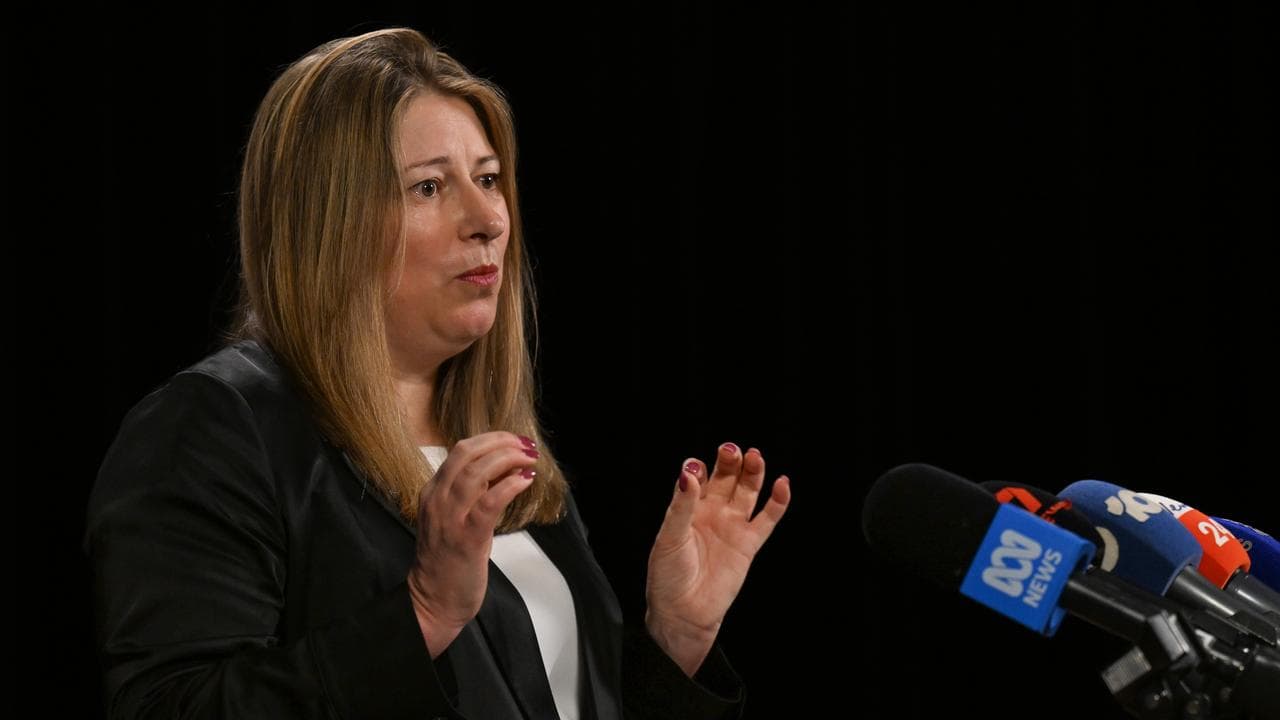
Ms Pounder said the commission’s first phase of public engagement was “all about giving people a sense of the themes we believe are important to the state's future”.
“This paper is a starting point for discussions, and will help steer us as we track towards our more substantive period of engagement over coming months,” she said.
The scoping paper outlines six themes guided by its terms of reference - AI in society, better services for people and the state, growing innovation, managing the economic transition, education, training and skills of the future, and safe and trusted AI.
“The type of society shaped by AI is not predetermined,” the paper states.
“It will be shaped by the choices we make, how we choose to use AI, for what purposes and to what ends.”
The commission has invited public submissions via its website on AI’s potential opportunities, their biggest concerns, which issues the commission should focus on, and opinions on language and terminology to be used.
The paper said AI had the potential to significantly reshape the economy, replacing some jobs and tasks performed by humans, but also presented opportunities to increase productivity and create jobs.
“A key challenge is finding the right balance between embracing the opportunities of AI and ensuring appropriate supports and safeguards for the workers who may be adversely impacted,” it states.
The use of AI in education and training had the potential to support student learning, and reduce teachers’ administrative workload.
“This needs to be balanced against growing concerns about the impact AI is having on cognitive ability, erosion of critical thinking, and our social interaction with others, particularly for children,” the paper states.
AI could also exacerbate inequalities through unequal access to AI technologies, reliable infrastructure, and trained instructors.
“This could widen the existing digital gap, contribute to regional disadvantage, and lead to uneven knowledge and skills development across society,” the paper states.
The inquiry is focused on the most immediate effects of AI at a state level through its impacts on public services, industries, and communities.
Artificial Intelligence Minister Chris Picton said the commission, which is due to report by mid-2027, was moving at pace and needed to understand how South Australians were using AI.
“This is our opportunity to make sure we are capturing the benefits of AI while properly understanding and managing its risks,” he said.


