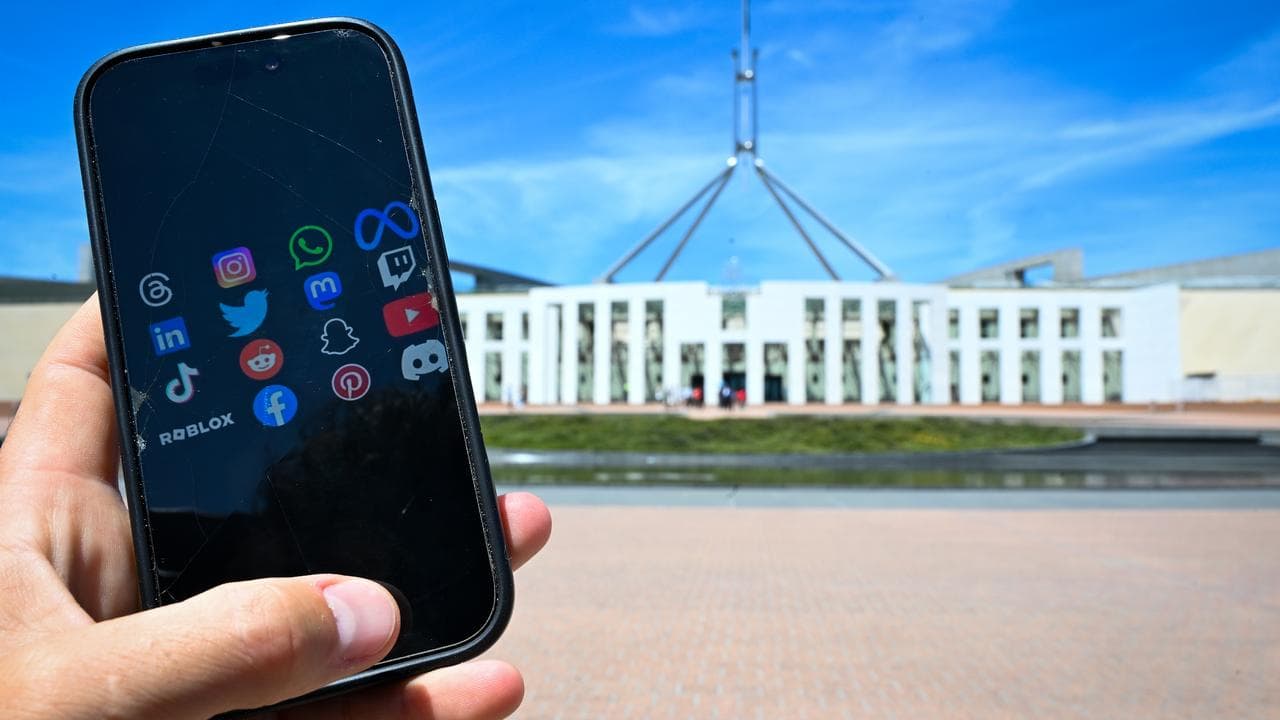
A reckoning for social media companies is one step closer as wide-ranging digital safety measures inch towards becoming law.
Labor's digital duty of care, which will let users say no to the algorithm and force big tech to protect kids from harmful content, passed the federal lower house on Wednesday.
It will make a quick detour to a Senate inquiry on November 9 before moving on to the upper house, where the Greens have flagged they want restrictions on the algorithms themselves, more rights for users and much heftier penalties.
The bill will make social media platforms shield under-18s from pornography and misogynistic content, as well as posts that cause distress, promote crime and encourage eating disorders.
It will also try to stop kids becoming dependent on the friendship of AI chat bots - known as 'attachment hacking' - after absorbing an amendment from independent MP Kate Chaney.
"Things like sycophancy in chat bots - saying 'no don't talk to your parents, talk to me instead' ... we need the platforms to be conscious of this," she told AAP.
"(They need) to be thinking proactively about how to ensure they're not attempting to replace human relationships."
Ms Chaney also threw in an amendment making it harder for platforms to bury the algorithm opt-out option deep in their settings where it's harder for users to find.
Companies flouting the digital duty of care could be fined up to $108.2 million, but pleas to penalise big tech a share of their global revenue similarly to the EU and UK have not yet been accommodated.
"Australia's first regulations on cars were not the final word on car safety," Ms Chaney said.
"We're at the very beginning of this cultural shift of expecting platforms to take steps to create these safer online spaces."
Labor had already backflipped on letting the minister for communications decide on new harms to work into the digital duty of care earlier in October, over concerns it could lead to political censorship.
That was not enough to appease the coalition, who largely wrote themselves out of negotiations claiming the government was targeting right-of-centre online content.
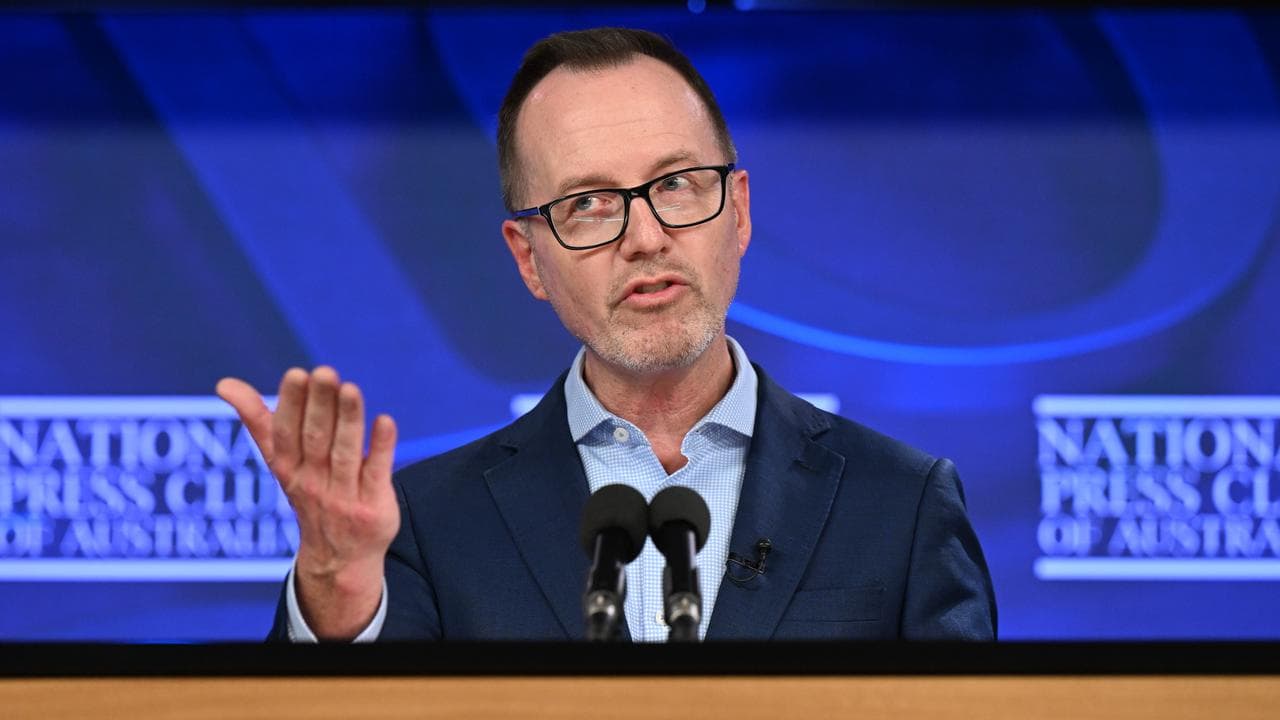
Beyond letting users opt-out, Greens leader David Shoebridge said the bill needed to go after platforms' addictive design features and let individuals demand compensation for harm caused by big tech.
That right to private action also got the thumbs up from eSafety commissioner Julie Inman Grant at Senate estimates hearings on Wednesday.
"The right to take action is absolutely fundamentally important, getting rid of that addictive design is fundamentally important," Senator Shoebridge told attendees of Canberra's National Press Club on Wednesday.
The Greens' leader, whose party's support will make or break the bill's chances in the Senate, did not share Ms Chaney's iterative approach to regulating social media.
"We get only one chance to get this stuff through, that's been my experience. We want to get it right."


