
A significant brief of evidence will be sent to the federal attorney-general’s apartment for consent on whether a foreign interference charge against a Chinese national will be prosecuted.
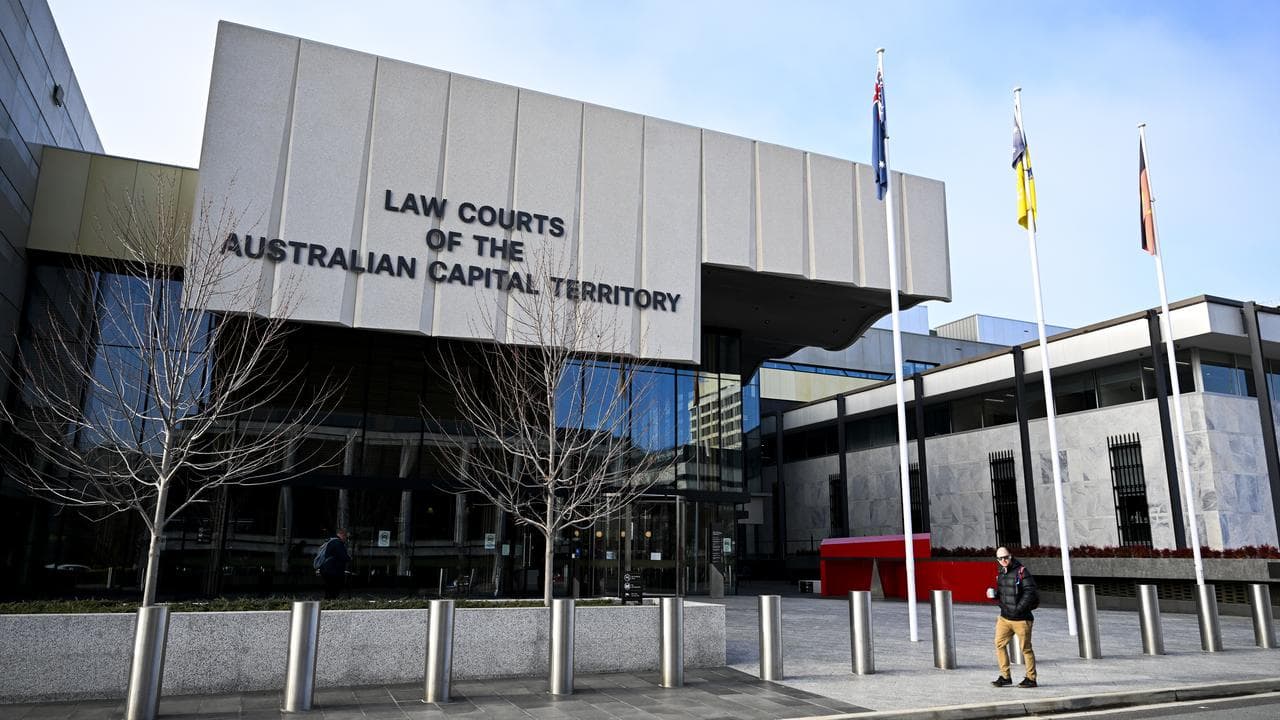
The accused woman, who cannot be named due to a suppression order, had her matter briefly mentioned at ACT Magistrates Court on Tuesday.
She remains on bail but was not required to appear in person and was instead represented by defence lawyer Anthony Williams.
Police allege the Australian permanent resident covertly collected information about a Canberra-based Buddhist association, Guan Yin Citta, on China’s behalf.
It’s alleged she worked for China’s Public Security Bureau in 2022 and was given instructions in person and via the encrypted messaging app, WeChat.
The woman pleaded not guilty last September to reckless foreign interference, which carries a maximum of 15 years’ imprisonment.
Prosecutors requested an eight-week adjournment to review further material from about five electronic devices, the contents of which need to be translated from Mandarin.
Only part of the evidence had been served, the prosecutor said, adding the brief was “significant”.
The court heard one mobile phone and one laptop had been seized from the woman’s home, but that the extra devices had been uncovered in a subsequent raid.
Prosecutors expected eight weeks was enough time to at least get “the most relevant” documents from devices to be translated and handed to the attorney-general.
Mr Williams did not oppose the adjournment due to the complicated nature of the charge.
Proceedings for the committal of a person for trial for foreign interference cannot be instituted without the attorney-general’s written consent.
The woman is excused from appearing when the matter next returns to court on April 8.


