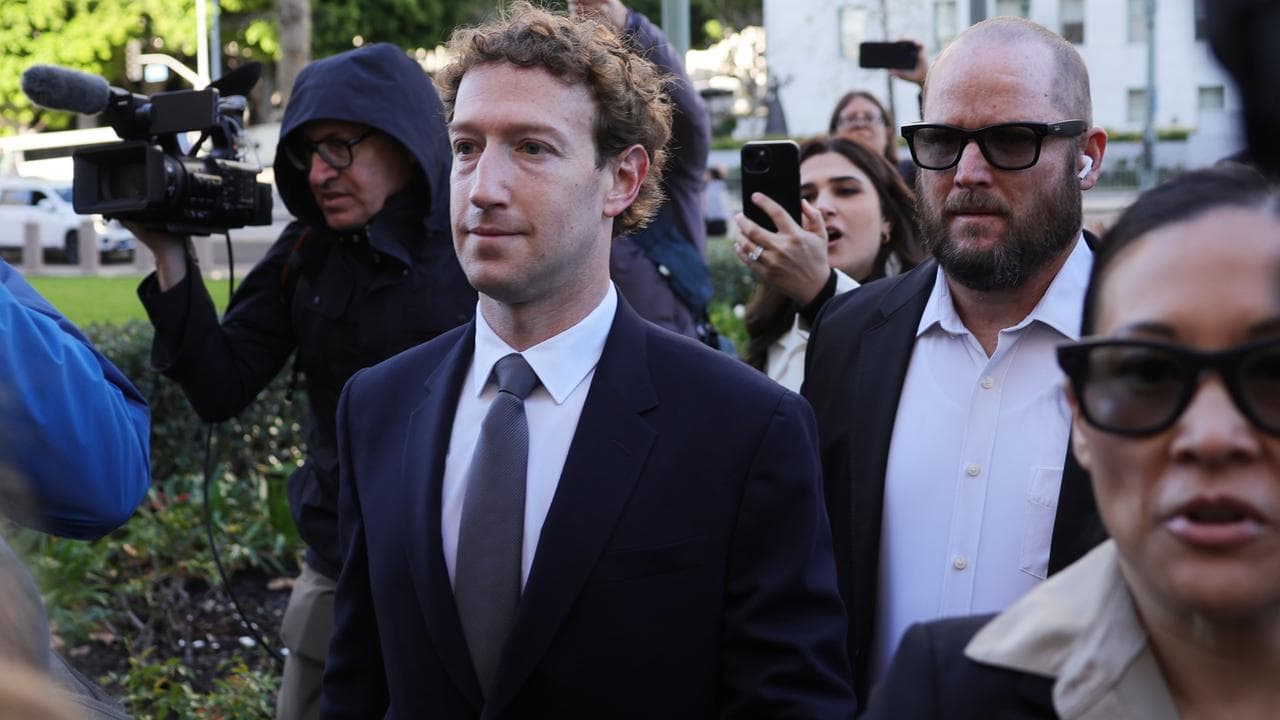
Meta chief executive Mark Zuckerberg has repeatedly said the Facebook and Instagram operator doesn't allow kids under 13 on its platforms, during a landmark trial over youth social media addiction.
Mark Lanier, a lawyer for a woman suing Instagram and Google's YouTube for harming her mental health when she was a child, pressed Zuckerberg over his statement to Congress in 2024 that users under 13 are not allowed on the platform.
Lanier confronted Zuckerberg with internal Meta documents.
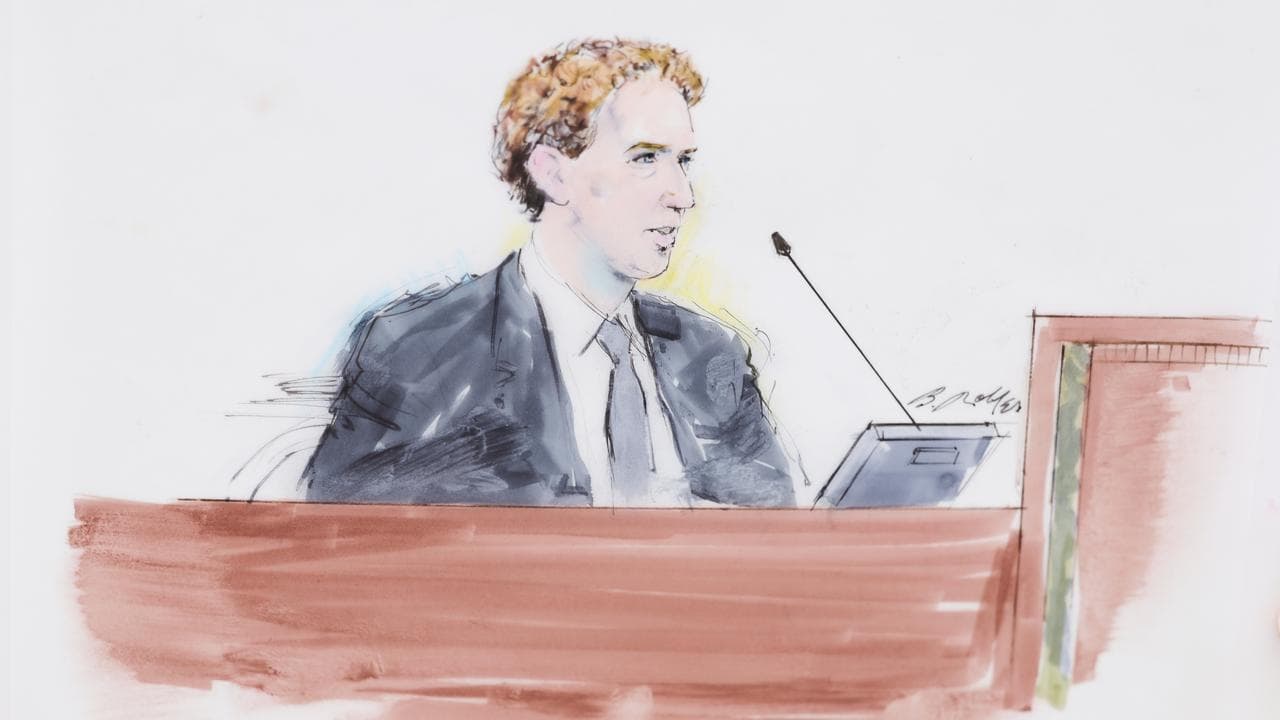
"If we want to win big with teens, we must bring them in as tweens," read one internal Instagram presentation from 2018.
"And yet you say that we would never do that," said Lanier.
Zuckerberg replied that Lanier was "mischaracterising what I am saying".
The chief executive said Meta has "had different conversations over time to try to build different versions of services that kids can safely use".
For example, he said Meta discussed creating a version of Instagram for children under 13, but ultimately never did.
Also presented was an email in which Nick Clegg, who was Meta's vice president of global affairs, told Zuckerberg and other top executives, "we have age limits which are unenforced (unenforceable?)" and noted different policies for Instagram versus Facebook make it "difficult to claim we are doing all we can".
Zuckerberg responded by saying it is hard for app developers to verify user age and the responsibility should be on the makers of mobile devices.
Earlier in his questioning, Lanier laid out three options of what people can do regarding vulnerable people: help them, ignore them, or “prey upon them and use them for our own ends”.
Zuckerberg said he agrees the last option is not what a reasonable company should do, saying, “I think a reasonable company should try to help the people that use its services".

When asked about his compensation, Zuckerberg said he has pledged to give “almost all” of his money to charity, focusing on scientific research.
Lanier asked him how much money he has pledged to victims impacted by social media, to which Zuckerberg replied, “I disagree with the characterisation of your question".
Lanier also asked Zuckerberg about his "extensive" media training, and pointed to an internal document about feedback on Zuckerberg's tone of voice on his own social media, imploring him to come off as “authentic, direct, human, insightful and real”, and instructing him to “not try hard, fake, robotic, corporate or cheesy” in his communication.
Zuckerberg pushed back against the idea that he’s been coached on how to respond to questions, saying those offering the advice were “just giving feedback".
Regarding his media appearances and public speaking, Zuckerberg said, “I think I’m actually well known to be sort of bad at this.”
Zuckerberg also faced questions about his statement to Congress that he did not give Instagram teams the goal of maximising time spent on the app.
Lanier showed jurors emails from 2014 and 2015 in which Zuckerberg laid out aims to increase time spent on the app by double-digit percentage points.
Zuckerberg said while Meta previously had goals related to the amount of time users spent on the app, it has since changed its approach.
"If you are trying to say my testimony was not accurate, I strongly disagree with that," Zuckerberg said.
The appearance was the billionaire Facebook founder's first time testifying in court on Instagram's effect on the mental health of young users.
Adam Mosseri, head of Instagram, testified last week he was unaware of a recent Meta study showing no link between parental supervision and teens' attentiveness to their own social media use.
Meta's lawyer told jurors at the trial the woman's health records show her issues stem from a troubled childhood, and that social media was a creative outlet for her.
With AP


