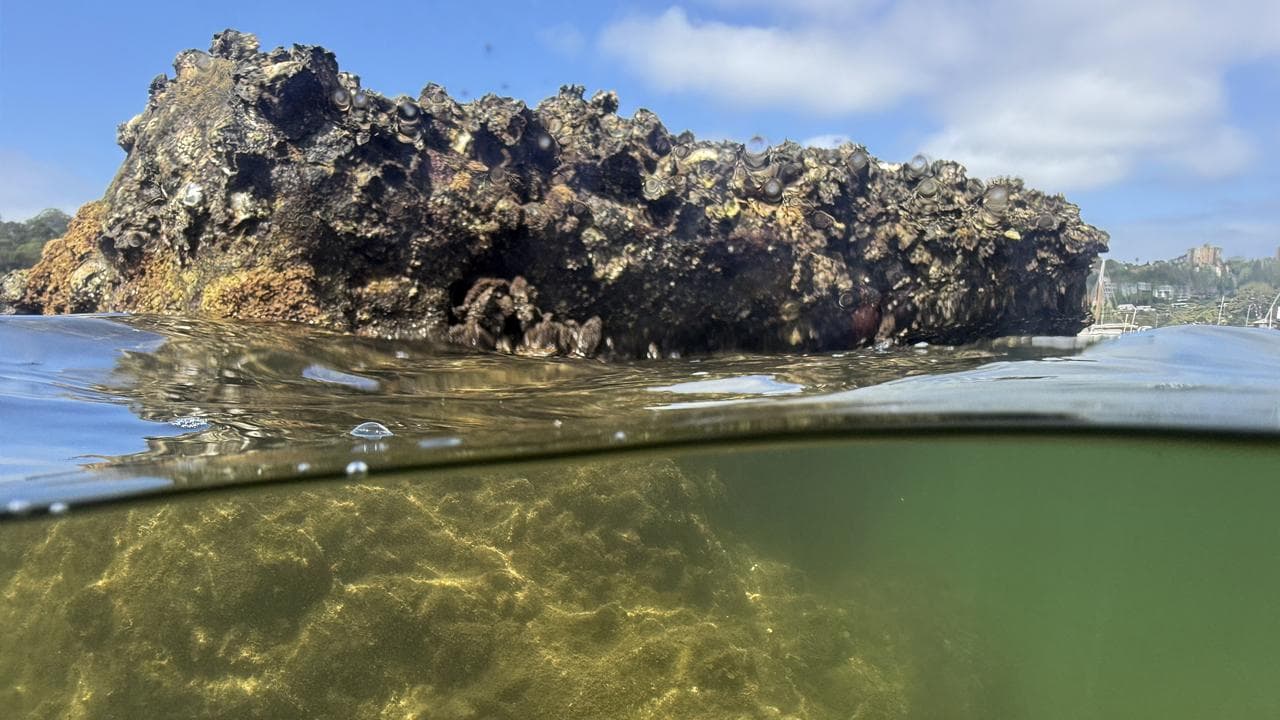
Hundreds of artificial reef settlements deployed during a catastrophic harmful algal bloom have shown native oyster populations were quick to bounce back.
Scientists behind the project are hoping the next deployment can signal a recovery for other marine species rarely seen since the outbreak.
Native oyster recovery has been central to South Australia's response to the harmful algal bloom first identified off the Fleurieu Peninsula in mid-March 2025.
The following 12 months saw ecosystems decimated across the state's coastline with more than 8200 reported shark and ray deaths in one of the largest mass mortality events recorded for those species.
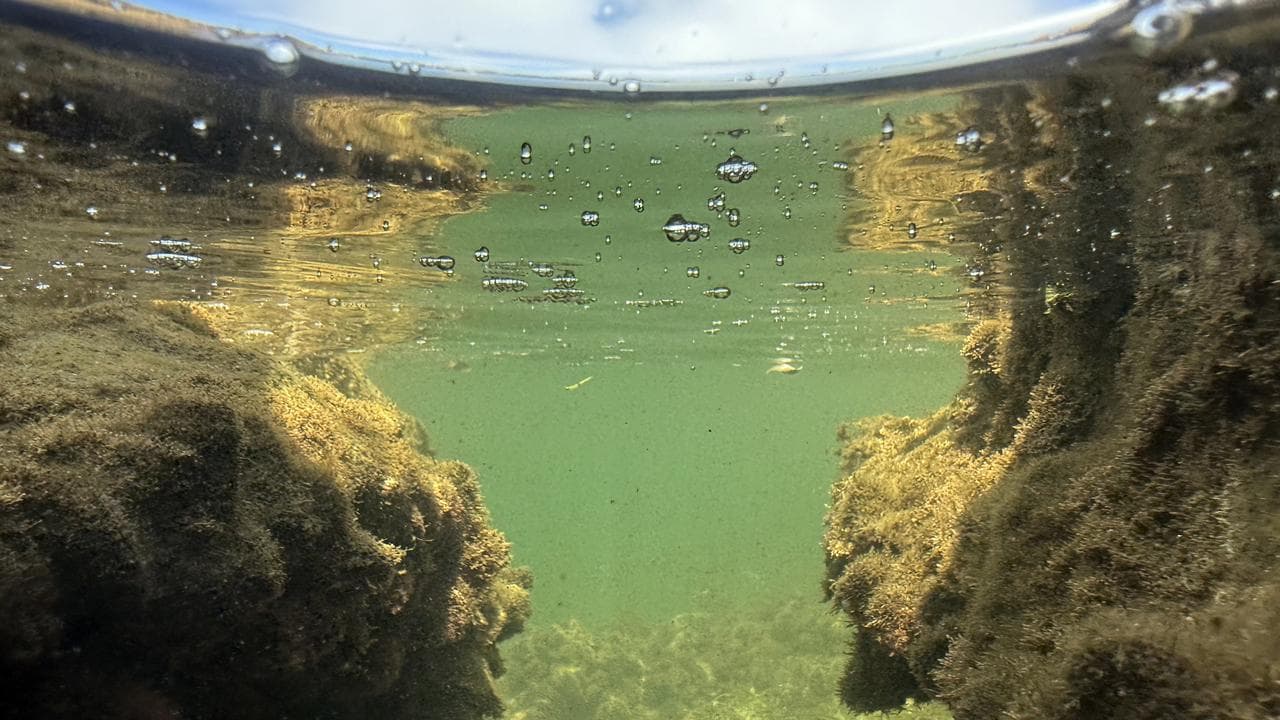
An analysis by citizen science and government records led by marine ecologist Janine Baker documented more than 800 species impacted during the bloom.
Up to 4460 Southern Fiddler rays, 850 Port Jackson sharks, 670 cobbler wobbegongs and 650 western shovelnose rays deaths were documented, but unreported deaths mean the true toll was much higher.
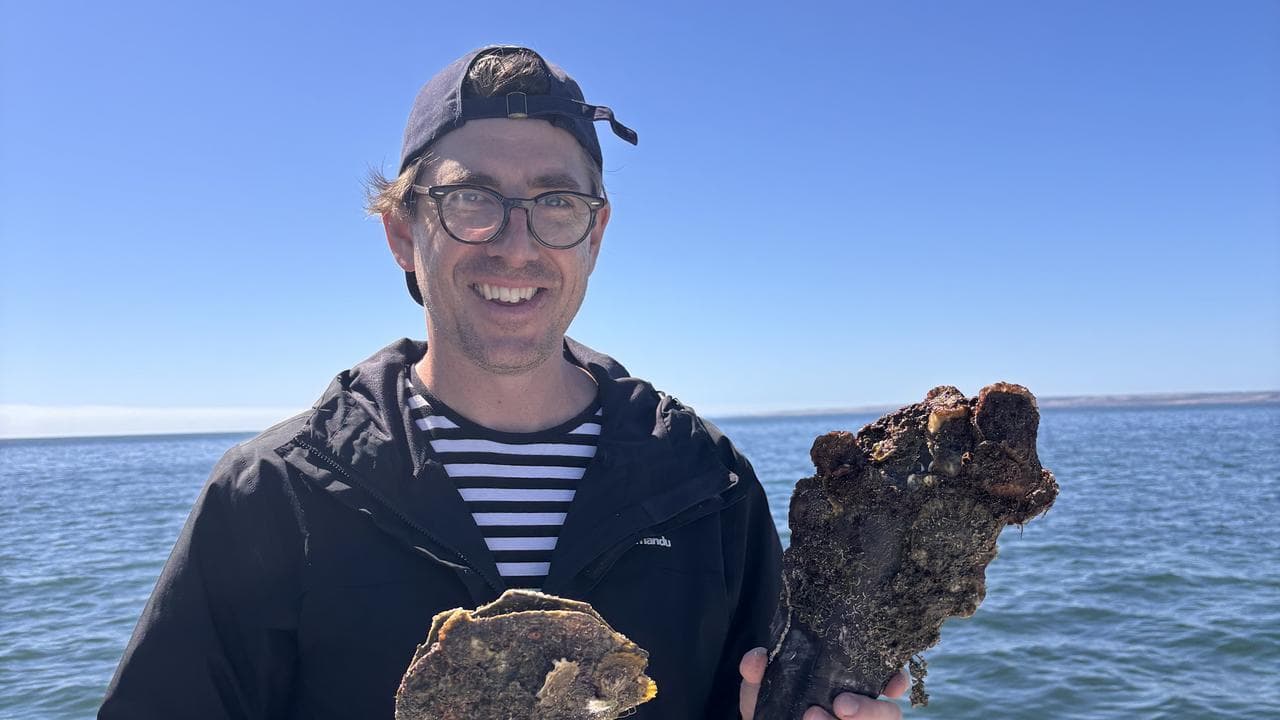
Adelaide University marine ecologist Dominic Mcafee said oysters had emerged as an outlier in some affected regions.
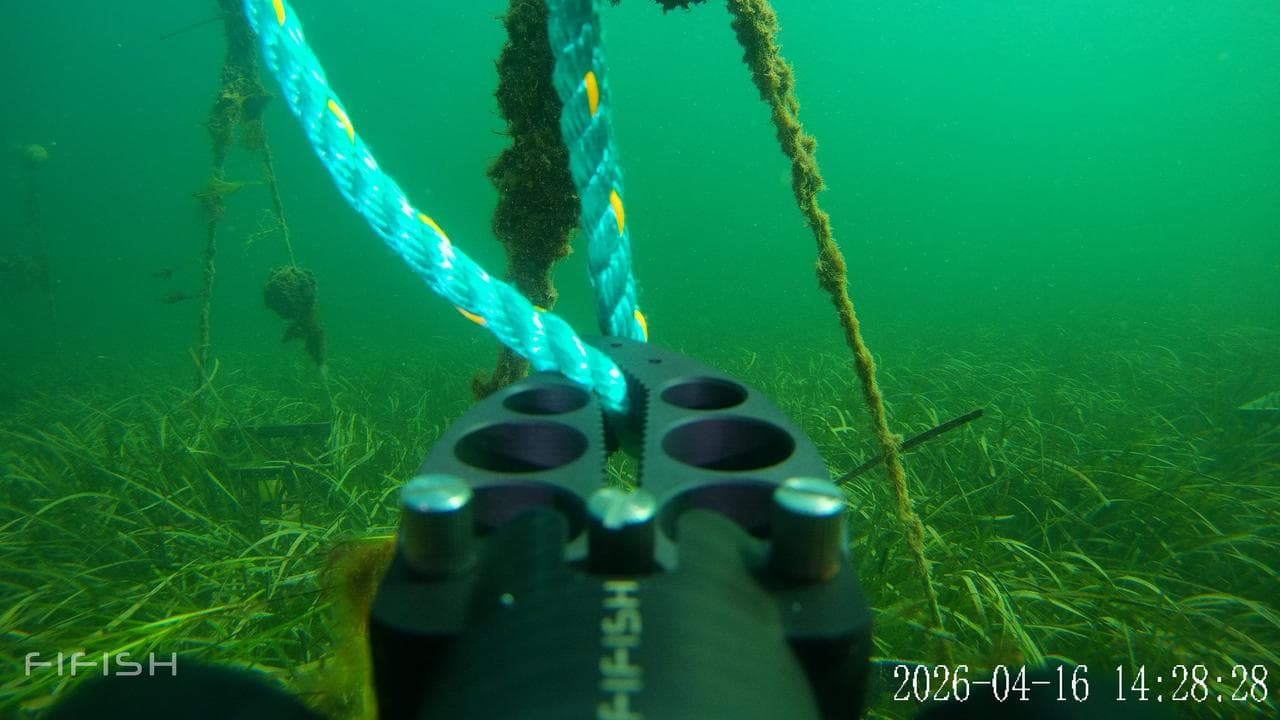
Spread along sections of Kangaroo Island, the Spencer Gulf and Gulf St Vincent, individual reef monitoring units have been used to compare the recruitment of oyster settlements and other marine creatures in affected and non-affected areas.
Due to the risk of exposure to the bloom, each unit has been deployed using a robot.
"One common and really hopeful outcome has been we've seen the native oysters absolutely everywhere settling in some cases, very high abundances, and some cases not very high," Dr Mcafee said.
"It's shown us that even through this algal bloom, they've got a level of resistance and have been able to continue to breed and persist in even the most heavily impacted areas."
The project has been part of a $1.9 million state government initiative to rebuild 25 reef sites across Eyre Peninsula, Yorke Peninsula and Kangaroo Island using discarded oyster shells where 1500 km of oyster reefs once blanketed the southern coastline.
Within three years of the project, Mcafee and the team behind 25 Reefs have restored empty seabeds into "healthy, functioning native oyster reefs".
"That rate of recovery and the biodiversity associated with that - because all the oysters are like the trees in the forest, and then all the animals live in amongst them - is a big big reason why we're focusing on shellfish reefs to recover from the algal bloom," he said.
Another 120 or more settlements are ready to be deployed next week for the warmer breeding season.
PhD student and project leader Nicole Lindsey said the new sites would increase the footprint of restorative reefs.


