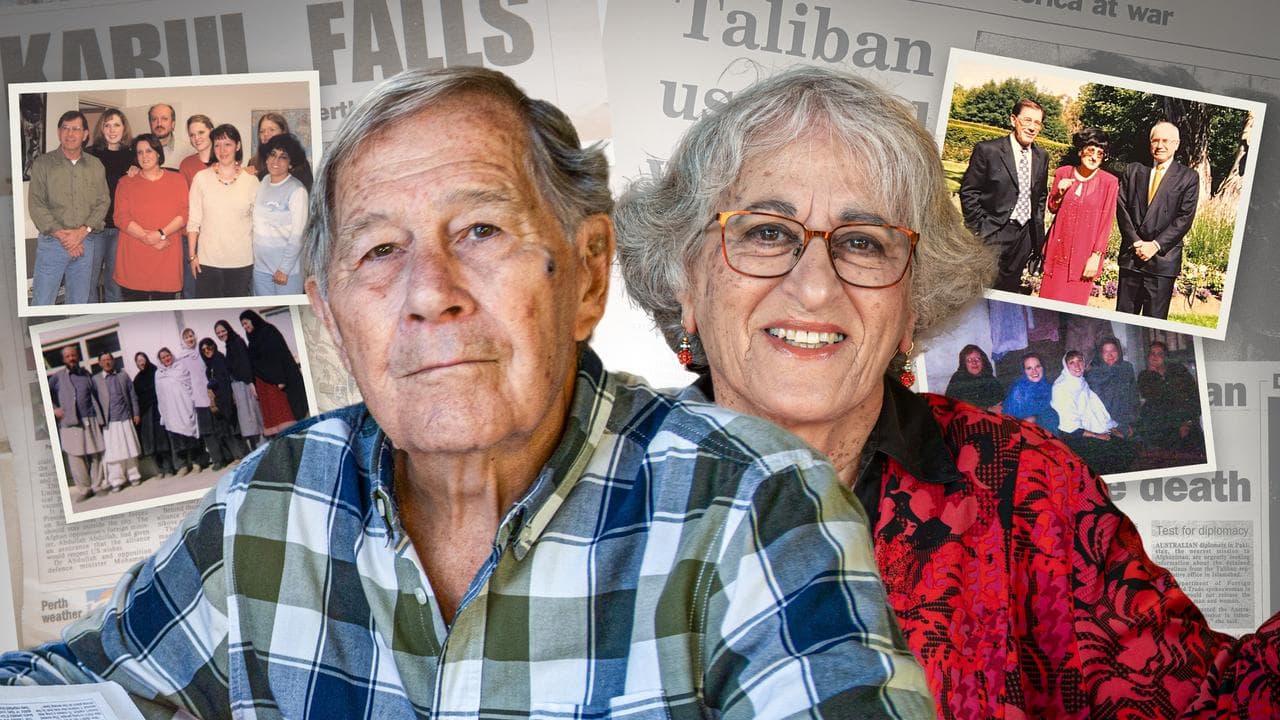
It's the stuff of nightmares: arrested at gunpoint in a war-ravaged foreign country and thrown into a filthy prison for something you didn't do.
But for two Australian aid workers, it was the start of a real and terrifying ordeal in Afghanistan that almost cost their lives.
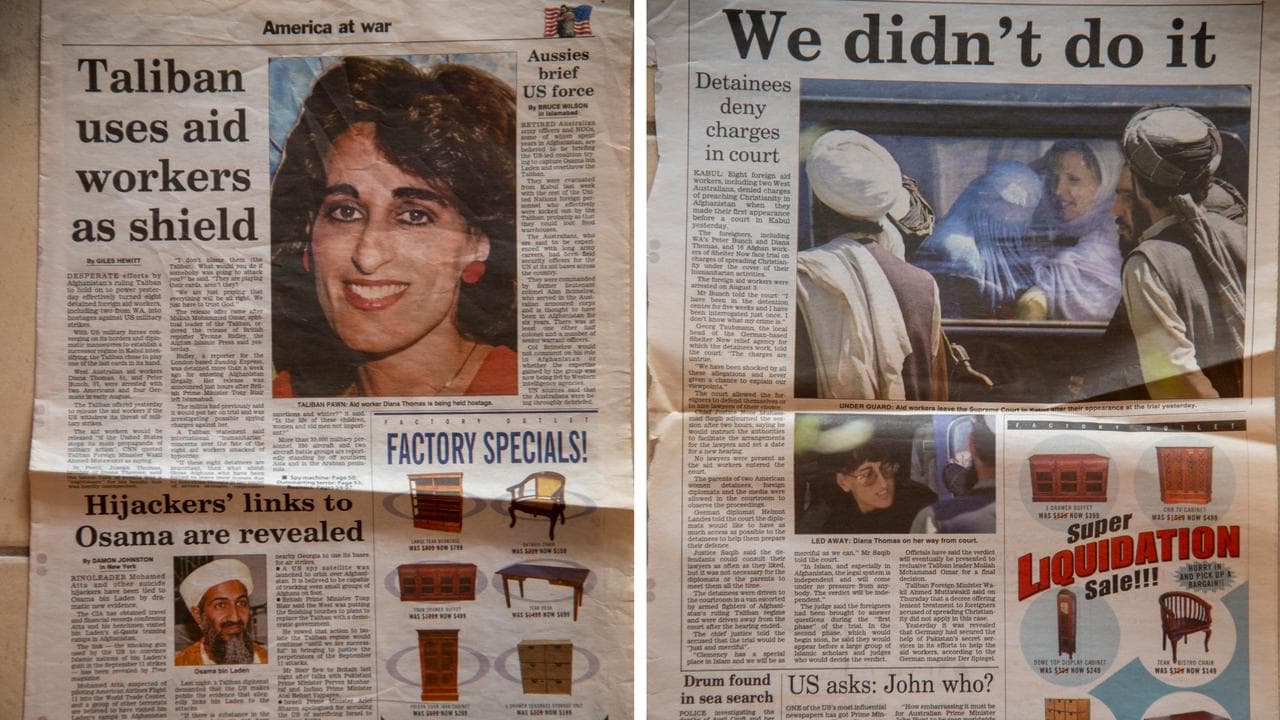
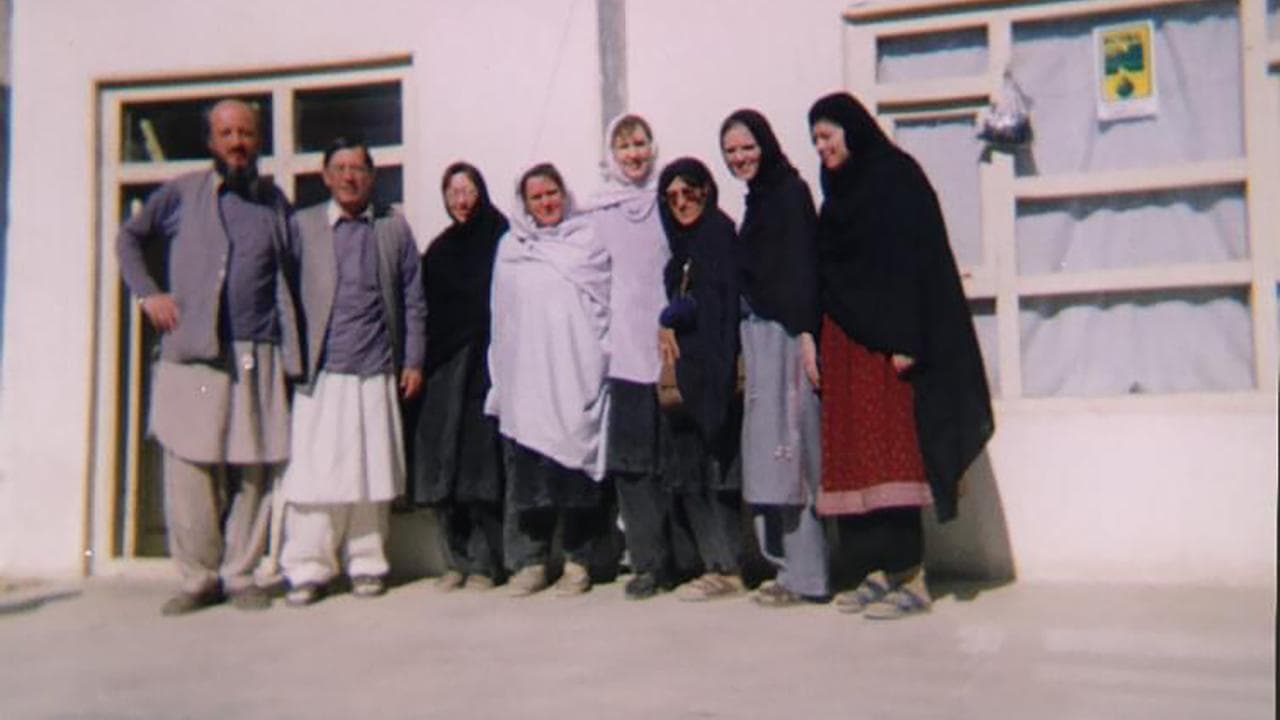
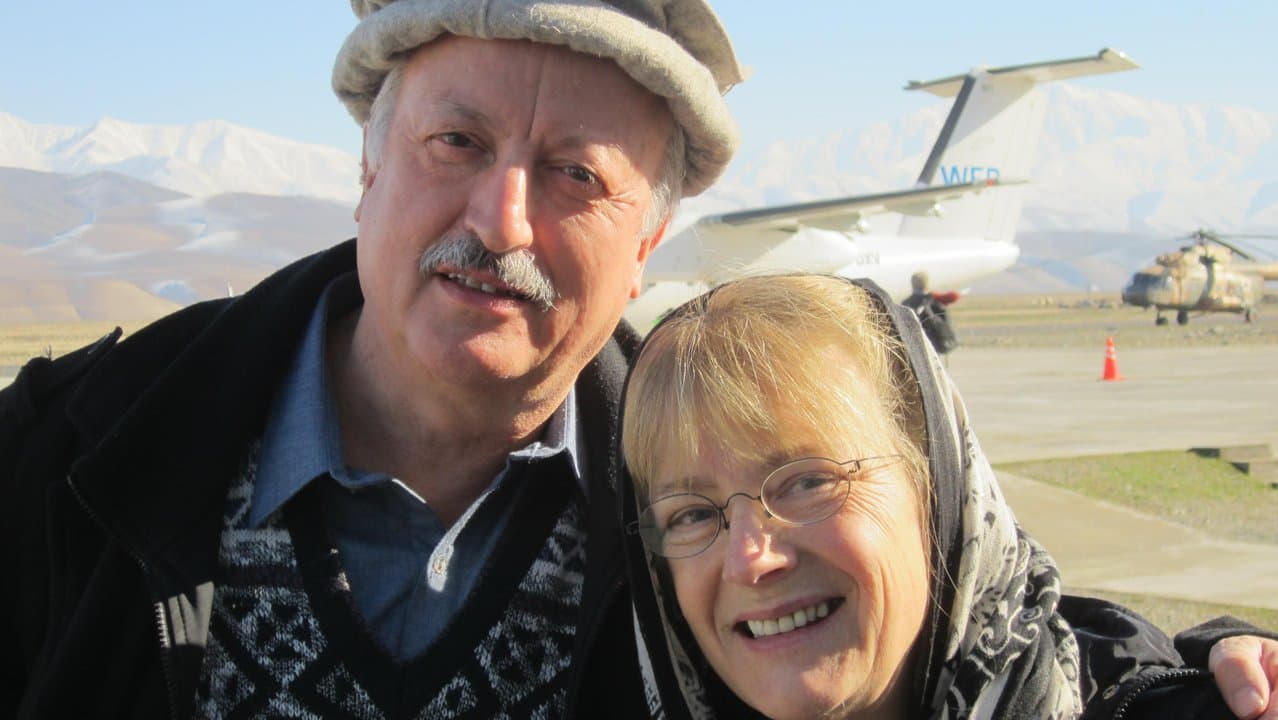
Peter Bunch, Diana Thomas and six foreign colleagues became Taliban prisoners of war as bombs rained down after the deadly 9/11 attacks.
"I made peace with myself and God," Mr Bunch, now 83, tells AAP 25 years after US special forces rescued the group.
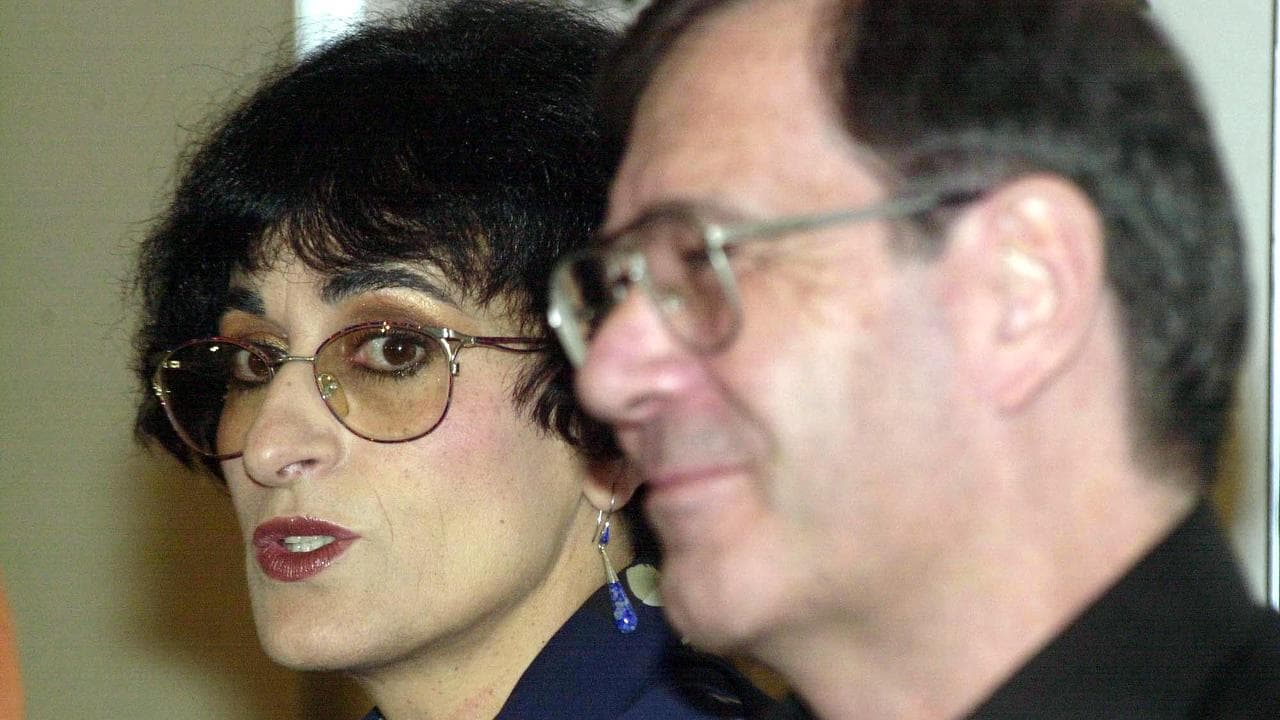
Religious police arrested the Shelter Now International team on August 3, 2001, about six weeks before the Twin Towers fell in New York.
"They put a Kalashnikov to the side of my head," Mr Bunch recalls of being taken into custody.
Local staff were also seized in the purge, which made international headlines.
Accused of preaching Christianity to Afghans, the missionaries, including four Germans and two Americans, faced fundamentalist trial under Sharia law and potentially the death penalty.
"It was absolute terror," says German Georg Taubmann, now 70.
The pariah state had become infamous for extreme restrictions on women and brutal medieval punishment, including public executions.
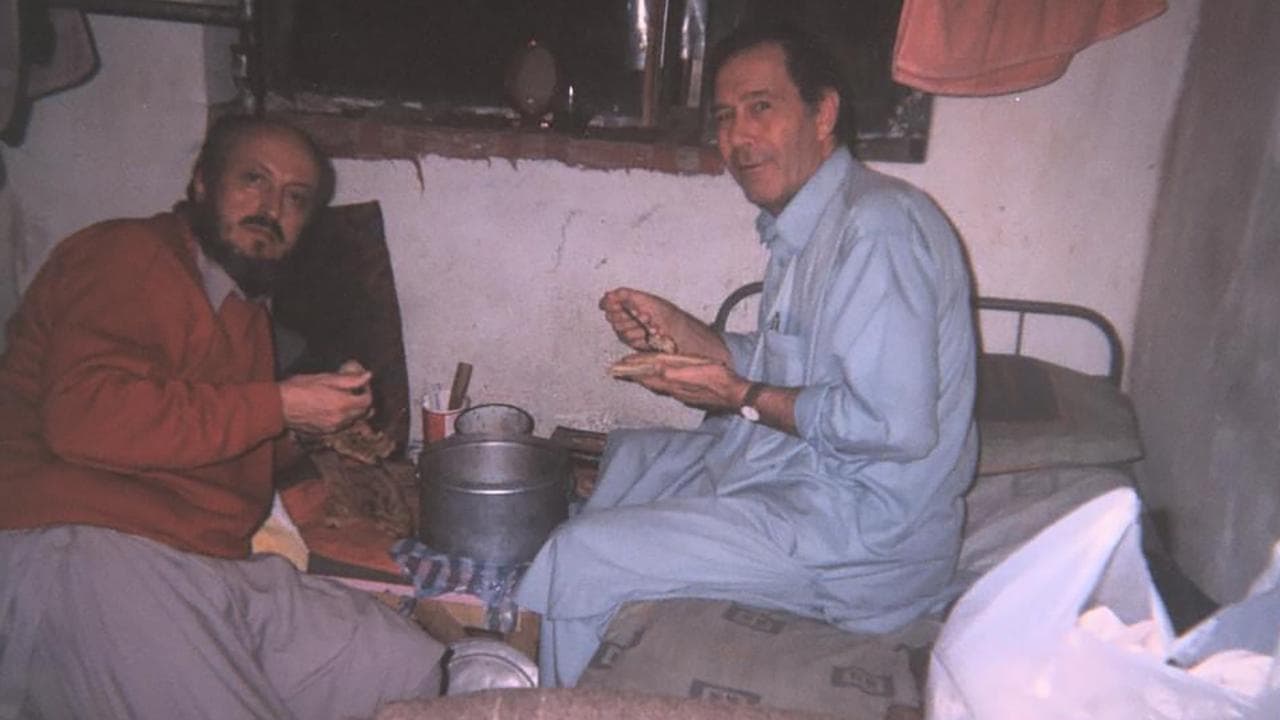
Initially denied diplomatic help and with no formal charges laid, the six women and two men were separated and interrogated for weeks.
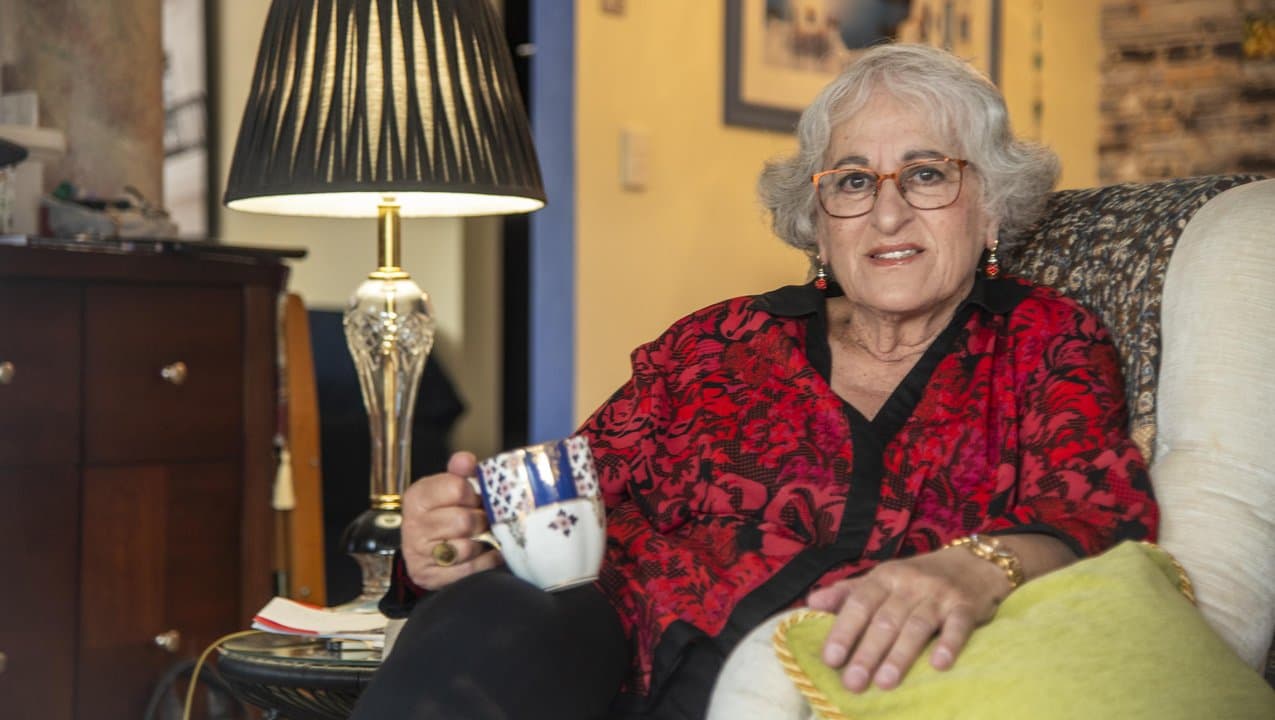
"The allegations were all a load of rubbish," Ms Thomas, now 76, says.
"We were a respected aid organisation.
"All they really wanted was money."
The group was hauled into a "kangaroo court" before a known 'hanging judge'.
"Nobody would say anything about why we were in there and the Pakistani lawyer we got ... was useless," Mr Bunch says.
"We went on a hunger strike for a while to get some sense out of the Taliban."
Horrendous conditions worsened the uncertainty.
Australian diplomat Alastar Adams was deployed to Kabul to help.
"It was a most unusual situation but it also wasn't our job to interfere with the law of the land," the now 80-year-old says.
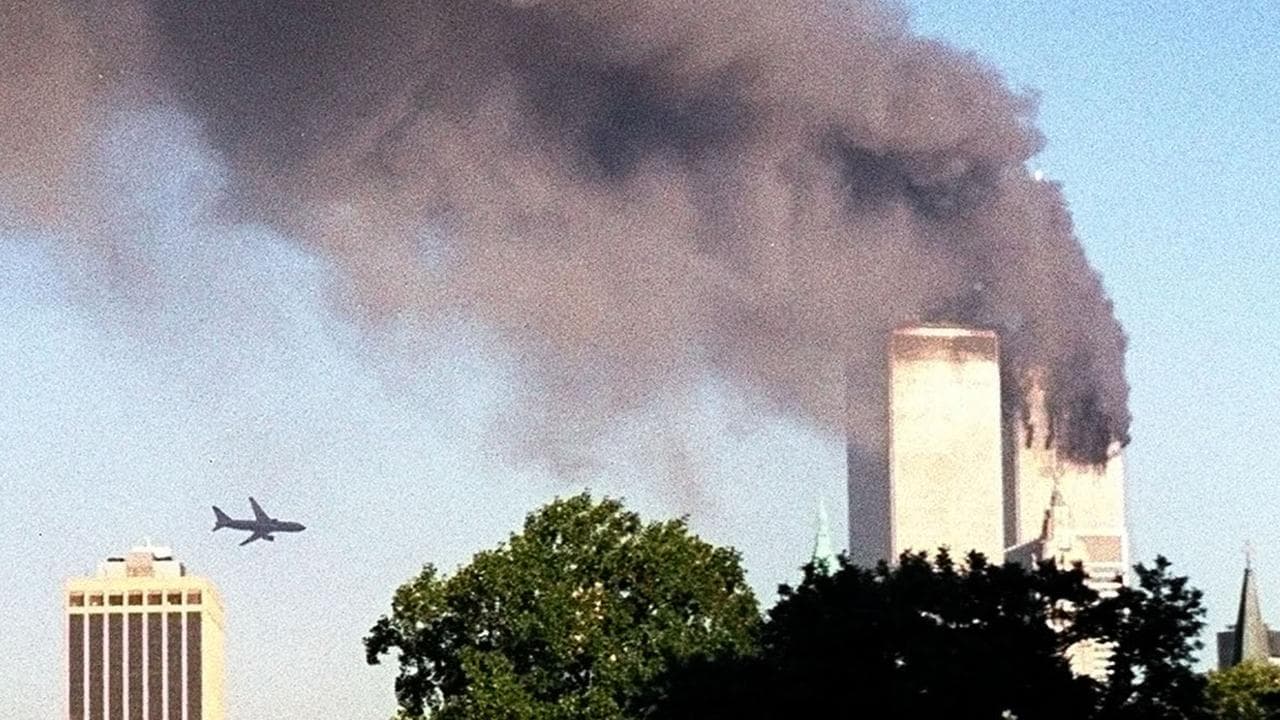
When Osama bin Laden-led Al-Qaeda attacked the US, destroying the World Trade Centre towers on September 11, the aid workers' situation became more dire.
With thousands dead and the Taliban accused of harbouring Al-Qaeda, then prime minister John Howard invoked the ANZUS treaty and the US prepared to counterstrike.
"I said: 'Well, there's no hope for us anymore'," says Mr Taubmann who was then the German aid agency's country director.
US president George W Bush demanded the Taliban hand over the Al-Qaeda leaders "who hide in your land" and "release all foreign nationals ... you have unjustly imprisoned".
As war loomed, Westerners evacuated Afghanistan and the aid workers' chances of survival diminished.
The Taliban attempted to negotiate, offering to exchange the group for an end to the US military threats.
Mr Bunch and Ms Thomas were no longer religious prisoners so much as political captives and international pawns in a scenario where Australia's hands were tied.
"We were obviously taken as hostages for 9/11, human shields," Ms Thomas says.
"That's why we were there, as bargaining chips."
President Bush rejected the swap proposal, announcing from the White House on October 7, the launch of military operations.
"We just had to let the war take its course," Mr Adams says.
US and British planes started pounding Taliban targets, the first strikes in the global war on terror.
"It was the right thing to do; they had to attack," Ms Thomas says.
"We realised at that stage it was all in God's hands."
Nightly bombing runs shook Kabul.
"We were bombed for nearly six weeks while we were in jail," Mr Bunch says.
"The closest was a few hundred metres away."
As days became weeks, the anti-Taliban Northern Alliance swept south, routing Kabul-bound Taliban forces.
As news reached them, the aid workers mustered hope.
"You could tell the Northern Alliance was close; there was gunfire everywhere," Mr Bunch says.
But as fighting intensified, a group of "aggressive" Taliban wrenched them from their cells.
Jammed into a four-wheel-drive loaded with rocket launchers, the group was suddenly part of a convoy in flight.
Alliance troops marched into Kabul on November 13.
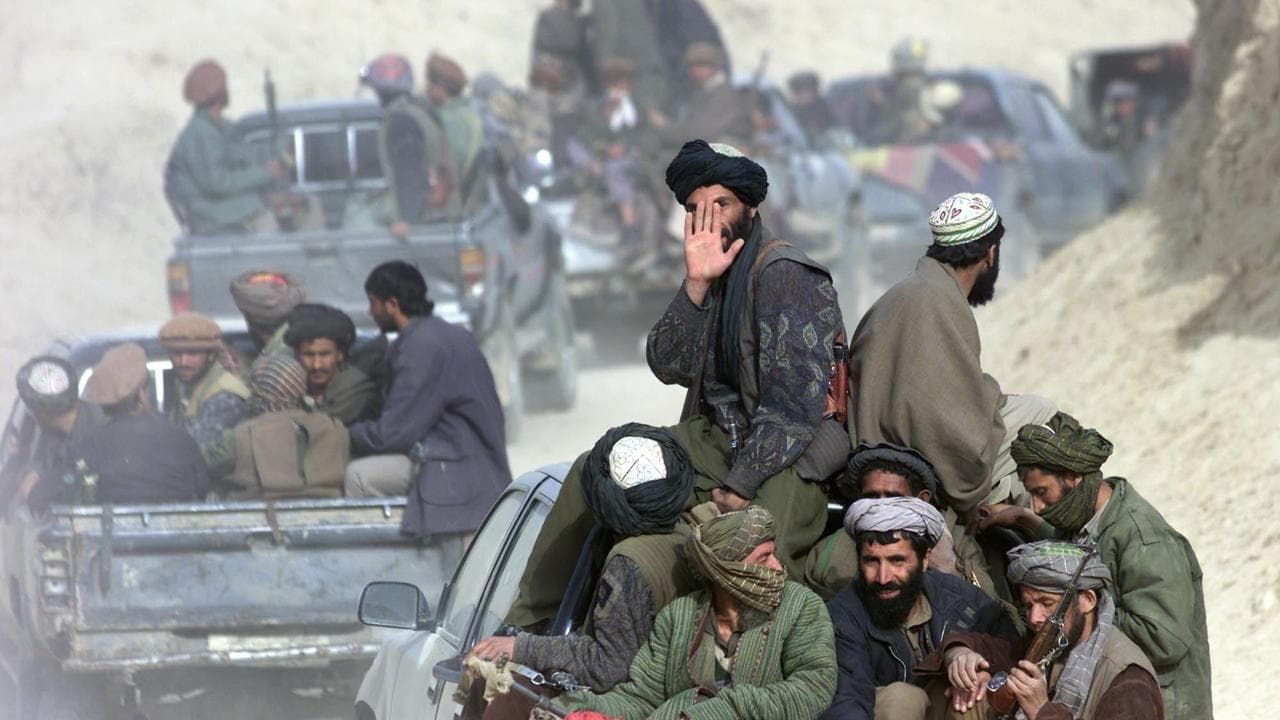
"Bombs were falling either side of us," Ms Thomas says.
"Our worst fears that they would take us to their stronghold in Kandahar were coming true."
In the chaos, Mr Taubmann learned about the Taliban's terrifying plan.
He and Mr Bunch were to be executed in Kandahar and the women would become Taliban brides.
"It felt like we were on the way to Auschwitz," he says.
They never got there. Instead, the aid workers were forced into a sea container at night in a small town.
"It was minus degrees, freezing," Ms Thomas says.
"I could see bullet holes in the container and thought maybe they were going to shoot us."
The following day, the group was moved to a jail in nearby Ghazni and abandoned as war consumed the city.
Outside, they could hear explosions and shooting, shouting and screaming.
"The Americans were bombing. Things were very shaky. Rockets were going off and we just prayed," Ms Thomas says.
Memories of what happened next vary but the trio agrees the guns eventually fell silent and the jail doors were smashed in.
"We were not afraid of dying," Mr Taubmann says.
"We were only afraid of the women being raped and killed or having our throats cut or being beaten to death. They were very cruel people."
The group initially feared the Taliban had returned to kill them. They hadn't.
"It was a couple of young guys holding rifles, all excited, who said, 'You're free, you're free, Taliban gone'," Mr Bunch says.
"They were totally shocked to see us; we were probably about the only foreigners left in the whole country."
On the streets, jubilant locals celebrated and women shed their burqas, warmly greeting the scruffy, gaunt Westerners as they were led away from the jail.
When an Afghan official, who had previously helped the group in Kabul, arrived with a satellite phone, rescue seemed imminent.
"He was secretly working with the Americans and had tracked us to Ghazni," Ms Thomas says.
The group contacted the US military in Pakistan, who demanded to speak to the two American aid workers as proof of life.
A late-night helicopter mission was hastily arranged to extricate the eight humanitarians but their ordeal was far from over.
Looting had started and armed groups were flexing their muscles in newly-won turf.
"We were free but now this local commander decided he didn't want us to be rescued," Mr Taubmann says.
"He was a very evil man and we were kidnapped again."
Mr Taubmann contacted the US military again and was told: "No problem, you just kill them."
"I couldn't do that," he says.
He argued, then pleaded with the Afghan, telling his captor US special forces were afoot and would kill them if they were not released.
The sound of fighter jets filled the room, followed by the thump of approaching helicopters.
"It shook up the commander and he panicked," Mr Taubmann recalls.
The group fled into the night but the rescue they'd dreamt of for 104 days almost ended in disaster.
"The helicopters flew back and forth but didn't land," Mr Bunch says.
"I think they were worried about an ambush."
The group waited for about two hours, a single lantern as a beacon, hoping to be spotted before curious locals came to investigate.
"It was minus degrees again ... and we were just praying and praying," Ms Thomas says.
The women set fire to their headscarves and blankets in a desperate bid to signal their rescuers.
It worked. A helicopter swooped and shot flares near them before disappearing into the blackness.
"It was very tense and then we saw the silhouettes of some blokes coming from the other side of the airstrip," Mr Bunch says.
One shouted: "Do you speak English?"
Ms Thomas hushed the group, fearing the Taliban.
"I thought we're going to be shot and said, 'God, please let it be quick'.
"But as they got closer, we realised they were Americans."
US Army Delta Force soldiers guided the aid workers to two helicopters about a kilometre away.
"We lifted off; it felt great," Bunch says.
"I was just hoping no one would shoot us down."
The group was flown to a US base in Pakistan on November 15.
"The special forces guys said they nearly left before they saw the fire because they were running out of fuel," Mr Taubmann says.
Ms Thomas likens the rescue to a Hollywood movie: "It was surreal but we were the ones in it.
"I just was amazed at all the miracles God did to get us out."
Mr Howard tells AAP it was a "dramatic time".
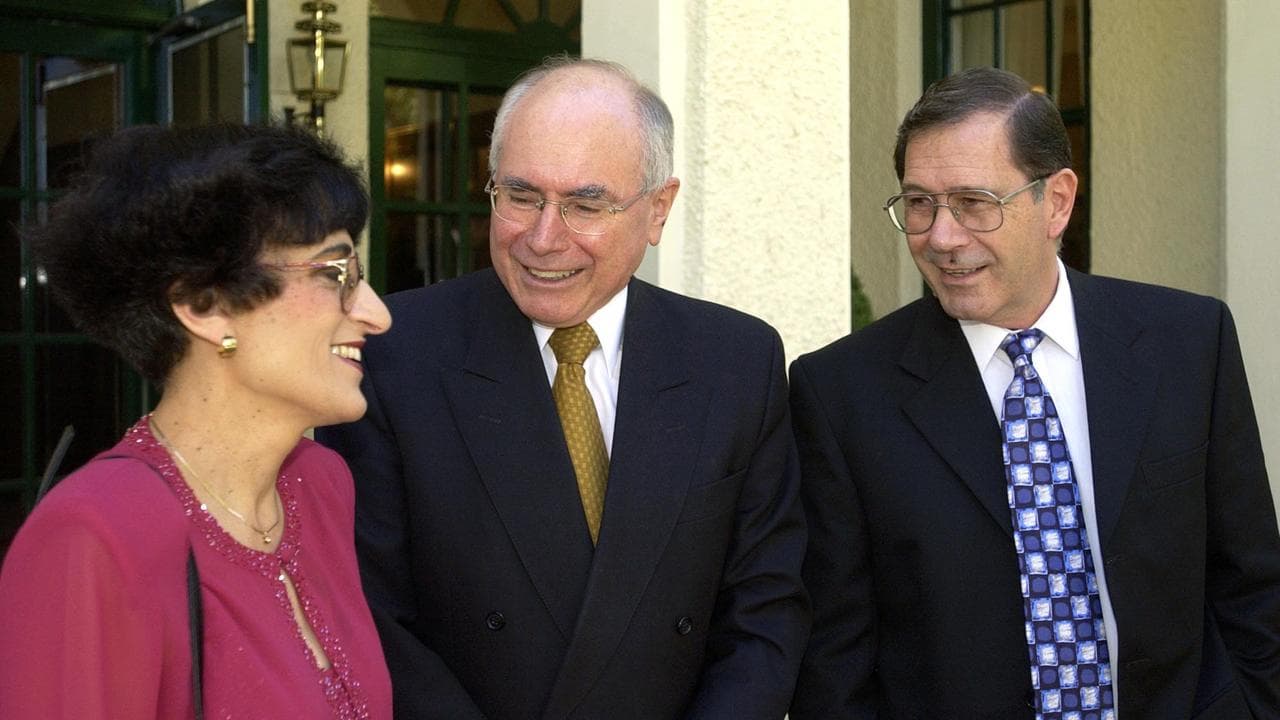
The two Australians were doing humanitarian work, he says, and "if there was justice in the world, they deserved to get out".
“They were very lucky to get out with their lives."
Mr Taubmann and the other three Germans returned to Afghanistan to work in 2002.
AAP reporter Aaron Bunch is Peter Bunch's son.


