An Australian company helping to build rockets, quantum computers and artificial intelligence technology around the world is bringing its manufacturing home after securing a multimillion-dollar investment.
Liquid Instruments announced its plan on Wednesday after winning a $28.45 million stake from the National Reconstruction Fund.
The investment comes as part of a $70 million Series C funding round and as demand for AI computing technology soars globally, with spending tipped to exceed $US2.52 trillion in 2026.
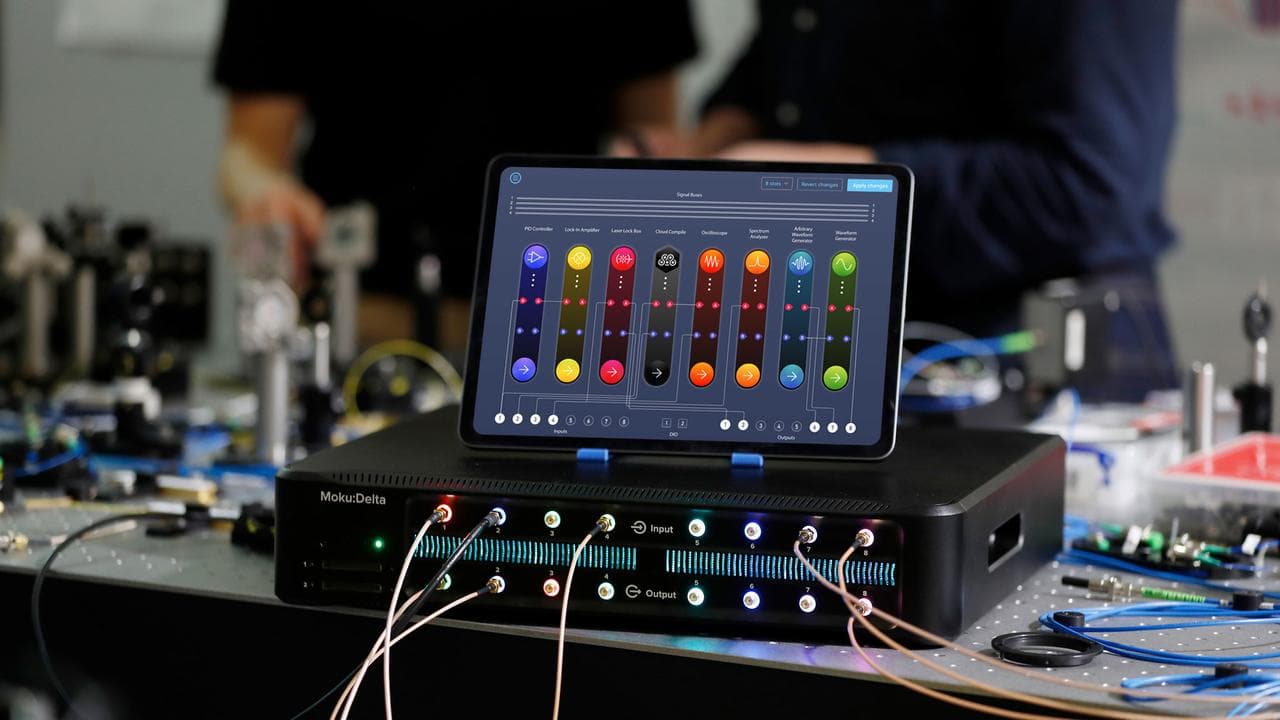
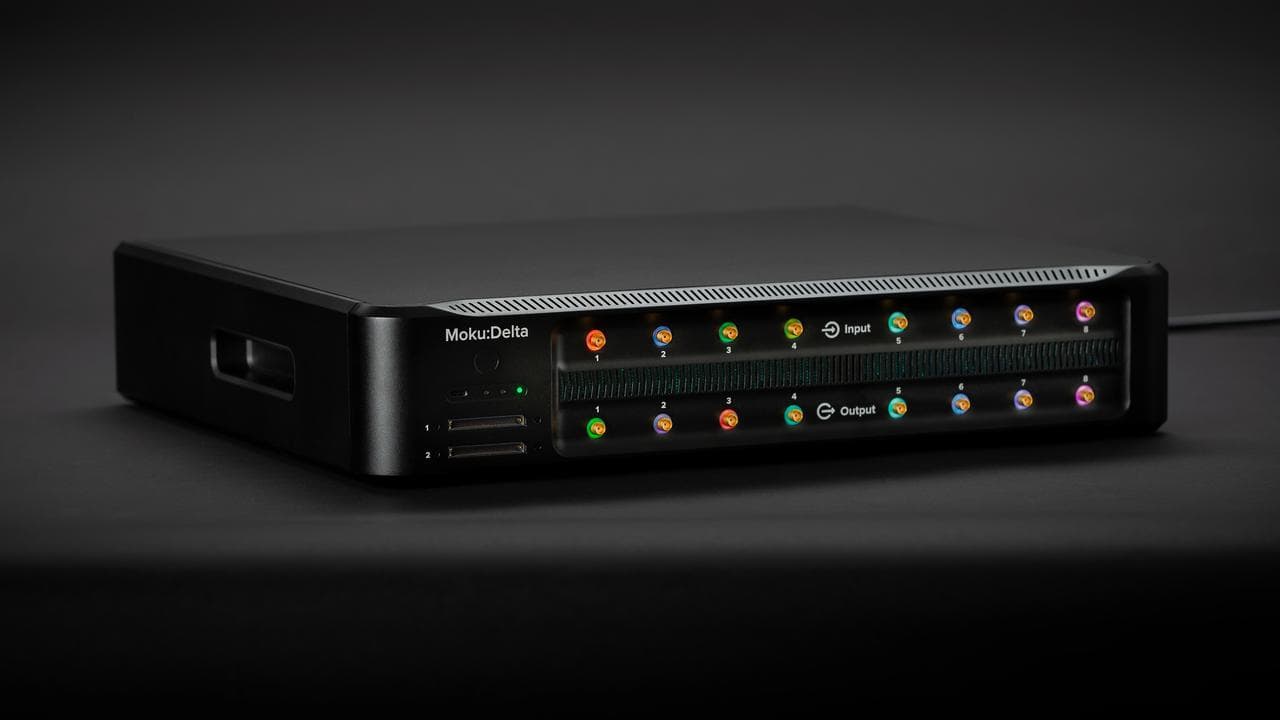
The Canberra company, founded in 2014 from research undertaken at the Australian National University, makes specialised measurement devices that replace lab instruments such as oscilloscopes and signal generators.
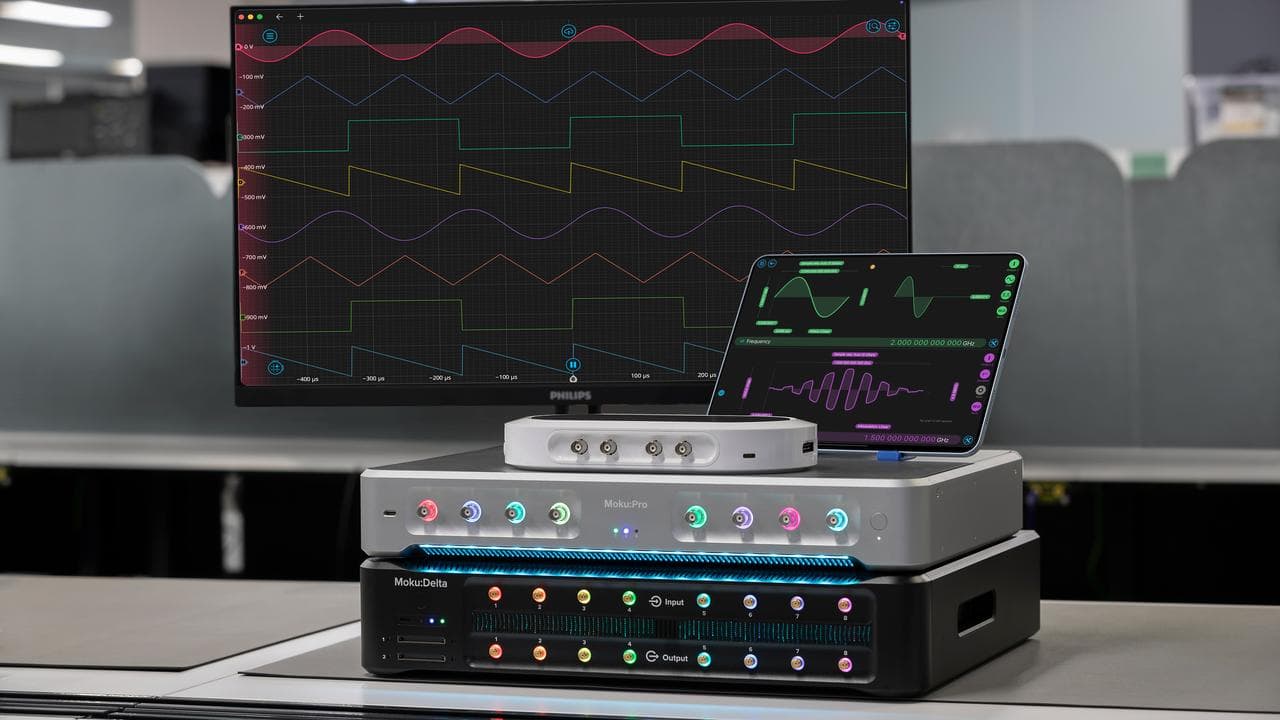
The company counted tech firms such as Apple, Nvidia, Blue Origin and BYD as customers, Liquid Instruments chief executive Daniel Shaddock said, and helped to create technology in quantum computing, aerospace and defence.
“It’s like the invisible layer underneath all modern technologies, whether you’re building a phone, an MRI machine, a fighter jet or a quantum computer,” he told AAP.
“All of those technologies have racks and racks and racks of test and measurement equipment used to develop and ensure they’re working properly.”
The firm uses software, including AI, to create customised measurement devices for clients based around the gravitational wave research recognised by the 2017 Nobel Prize.
While 90 per cent of the Liquid Instruments’ revenue comes from overseas, Mr Shaddock said the company decided to pull its manufacturing from Southeast Asia and the US to establish a base in Melbourne.
The $28.45 million investment would support the move and boost its manufacturing facilities, he said, while adding 20 engineering roles to its 55-person local workforce.
“Australia has still got a very vibrant and capable manufacturing sector, and if companies like Liquid Instruments and others don't support it, that just simply won't be true in a decade,” he said.
“It takes literally decades to build up this capability and it can be lost in a matter of months.”
Ensuring products were manufactured locally would be vital to the success of the Australia’s technology sector, National Reconstruction Fund chief information officer Mary Manning said.
Having access to specialised measuring tools could also help other Australian companies develop products in quantum and AI computing sectors, which had been identified as areas of national priority, she said.
“Liquid Instruments is exactly what we were set up to do in terms of keeping manufacturing in Australia and, in this case, even bringing manufacturing back to Australia, and to create centres of excellence for manufacturing onshore,” Dr Manning said.
Worldwide spending on AI technology is expected to exceed $US2.52 trillion in 2026, according to data firm Gartner, representing an annual increase of 44 per cent.


