
Clancy has spent thousands of dollars on medical bills in his early 20s, despite regularly ringing around to get the cheapest deal at new practices.
The 24-year-old, who requested his last name be withheld, has endured a series of sporting injuries since he was 21 that have required ongoing GP visits, scans and specialist appointments.
He was in university and living out of home when the injuries began.
"I'm always thinking first about living expenses and second about medical bills," he said.
Clancy, who lives in Canberra, considers himself fortunate, but still avoids discretionary purchases that he said most people his age were able to enjoy.
He said he rarely bought new clothes when they were needed, and did not often buy alcohol.
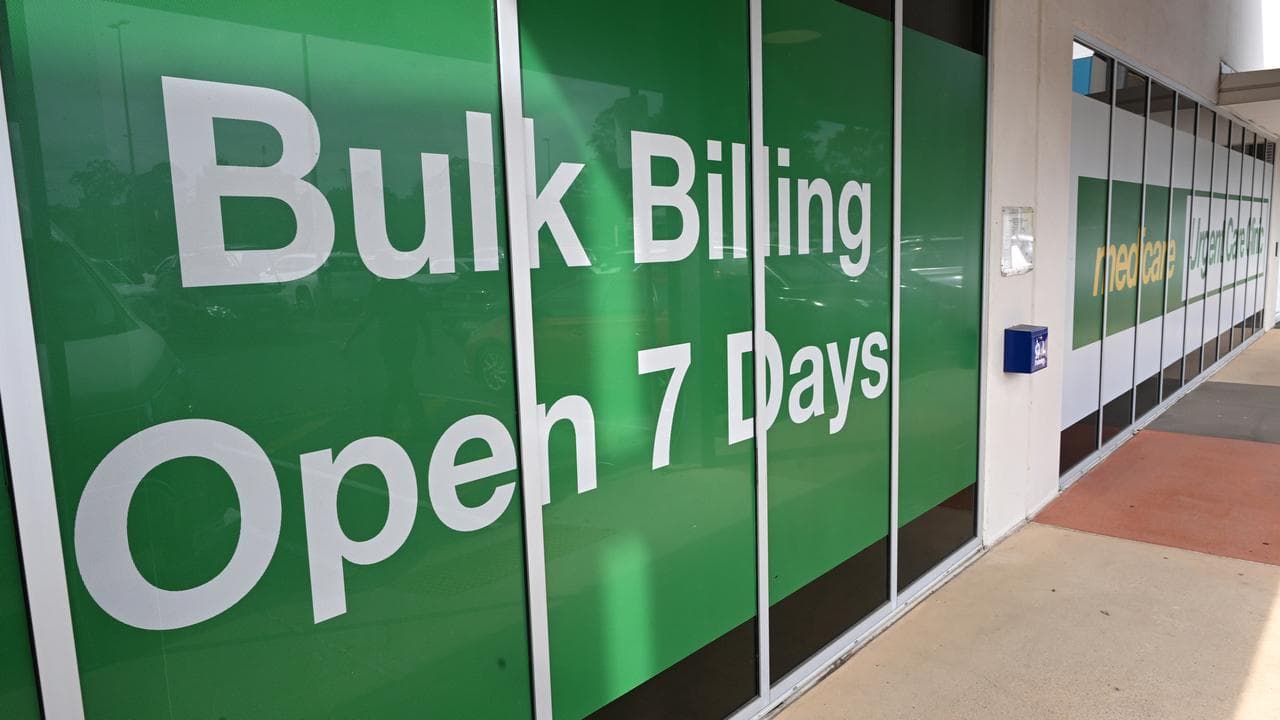
Bulk-billing rates increased in every state and territory in the past year, with 4000 practices across the country now offering the service compared with 2300 a year ago.
The federal Labor government plans to invest $8.5 billion into Medicare bulk-billing to fund 90 per cent of GP visits by 2030.
NSW has 87.1 per cent of visits bulk-billed, up 4.9 percentage points, while Victorians get the service on 85.3 per cent of their appointments.
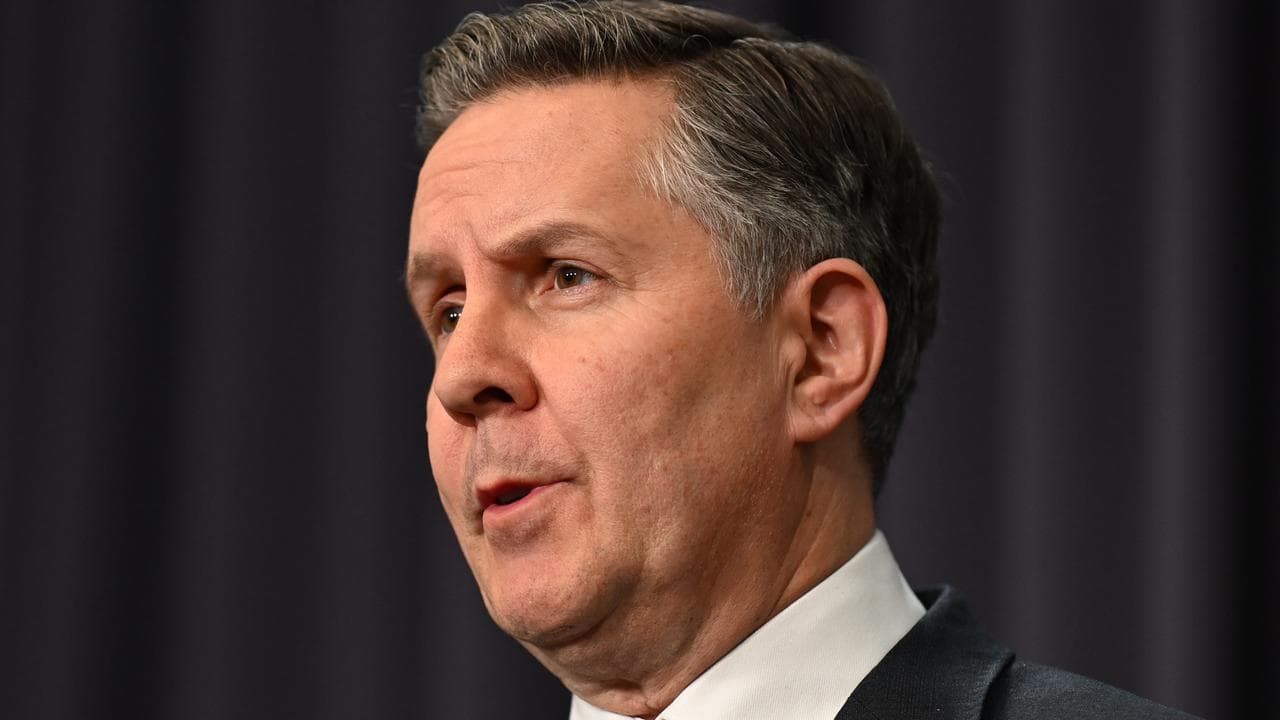
In the ACT, the figure had risen 5.4 percentage points to 56.8 per cent, Health Minister Mark Butler said.
But Clancy said the investment had not yet been enough to shift the dial for those who needed regular medical attention.
He and other Australians with chronic conditions still spent a lot of time shopping around for reliable GPs and specialist services that bulk-billed.
Almost 15 per cent of Clancy's cohort - Generation Z - did not see a GP when needed because they could not afford to, a YouGov survey commissioned by the Pharmacy Guild of Australia found.
About 10 per cent of the 1058 people surveyed across Australian generations in September said they had forgone appointments, while 14 per cent had delayed them because of cost.
Clancy often made a decision on where to get treated based on cost, rather than quality.
"I've experienced a lot of misinformation, where sometimes a doctor will tell me I am guaranteed to get a rebate and then I don't, and it's a bit of a shock," he said.
Mr Butler said work was being done to "shake up" bulk-billing practices.
"If we need to do more, we're going to do more. We're not going to sit by and simply let a big group of Australians not get the benefit of bulk-billing support that other Australians enjoy," he told journalists on Monday.


