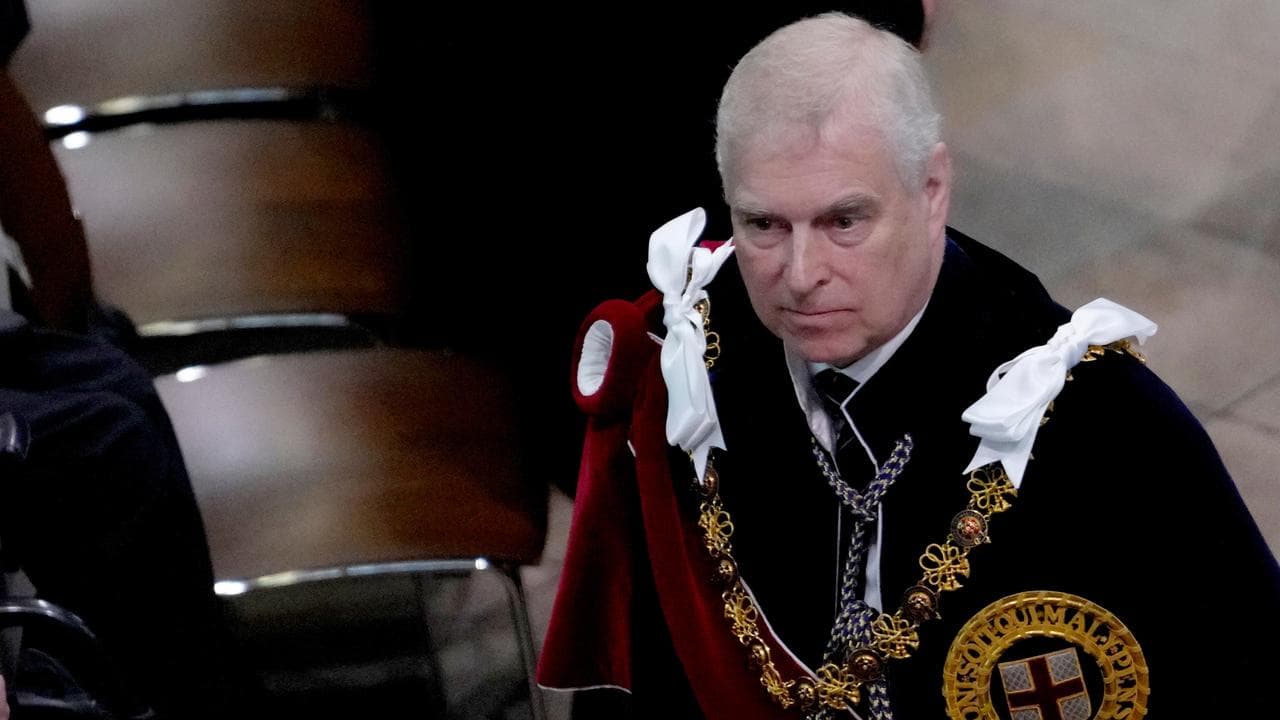
A bipartisan push to ensure Andrew Mountbatten-Windsor never becomes Australia's head of state is making global headway.
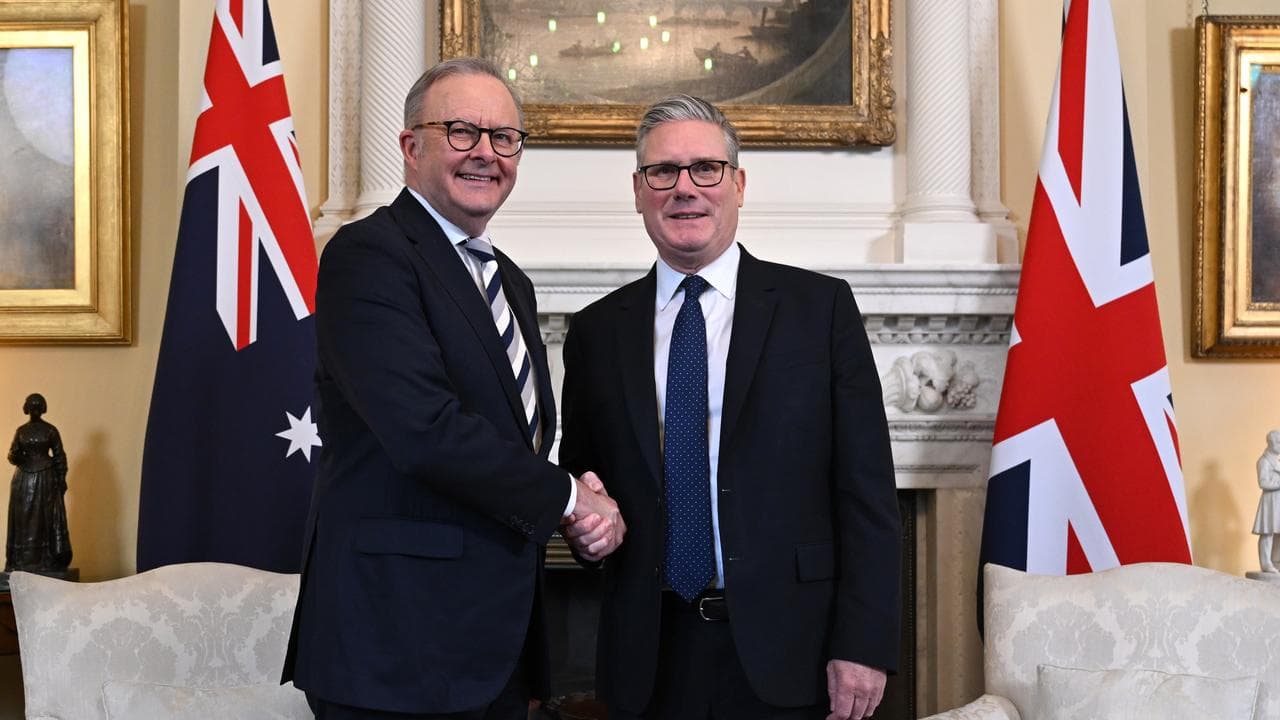
Prime Minister Anthony Albanese wrote to his British counterpart on Monday, expressing support for any moves to remove the disgraced royal from the line of succession.
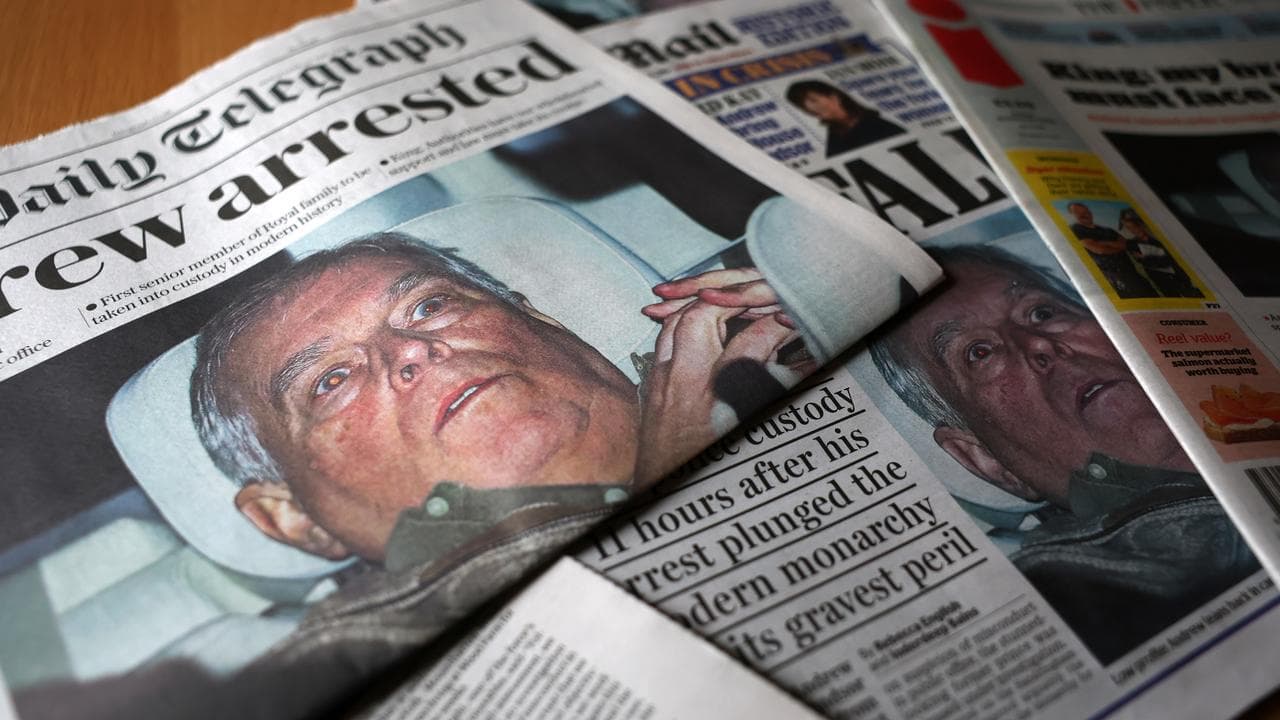
New Zealand is the latest nation to join the push, after the former prince was arrested over the alleged leaking of secret documents to dead pedophile Jeffrey Epstein.
Mountbatten-Windsor has been released as investigations continue.
New Zealand Prime Minister Christopher Luxon said his government had been in contact with the British Cabinet Office about the saga.
"No one is above the law," he told reporters on Tuesday, adding New Zealand had communicated its position before Australia's stance became public.
The UK and other Commonwealth countries, including New Zealand, Canada and Papua New Guinea, have to agree to remove the former prince from the line of succession for the measure to be finalised.
The removal would only take place after laws are introduced to the British parliament.
Sir Keir said his government would only do so once a police investigation was concluded.
But Mr Albanese said the disgraced royal should have no prospect of being Australia's head of state.
"I think I speak on behalf of all Australians in saying we don't want a bar of this bloke," he told the Karl Stefanovic podcast on Tuesday.
Australia is "directly involved" in the situation because Virginia Roberts Giuffre - who was allegedly sexually abused by the former prince - was Australian-American, Mr Albanese said.
Ms Roberts Giuffre took her life after reaching a confidential settlement. Mountbatten-Windsor has always maintained his innocence.
Mountbatten-Windsor is eighth in line to the throne, meaning he would only become Australia's head of state in the unlikely event those ahead of him - King Charles, Prince William, Prince Harry and five royal children - all died or abdicated.
"This guy's led an incredible life of privilege and he quite clearly has abused that privilege in a range of ways that are completely unacceptable," Mr Albanese told Brisbane radio station B105.
"Now, there'll be legal processes there and that should take its course, but while that's going on, I just don't think that he should be still on the line of succession to be our head of state."
Opposition Leader Angus Taylor backed the government's stance.
"The law must take its course, including a full and fair process. If the United Kingdom determines to pursue this course of action through its parliament, we would support that action," he said.

The line of succession has been altered before, including through 2013 laws that allowed firstborns to ascend to the throne regardless of their gender.
Male heirs were previously given higher standing, even if there was an older female in line.
In the letter to his UK counterpart, Mr Albanese said he agreed with the King that a full investigation was needed and "the law must now take its course".
The prime minister said he was not planning a referendum for Australia to ditch a monarch as its head of state and become a republic.
Mountbatten-Windsor was arrested on his 66th birthday after a trove of emails released in the US suggested he leaked confidential documents to Epstein while serving as the UK's trade envoy.
Lifeline 13 11 14
beyondblue 1300 22 4636


