What was claimed
Australia doesn’t use oil from the Strait of Hormuz.
Our verdict
False. Australia imports Middle East oil that travels through the strait and Asian petrol made from Middle East oil.
AAP FACTCHECK - Australia uses oil that's shipped through the Strait of Hormuz, contrary to a social media video suggesting otherwise.
The nation depends on imported Asian fuel products, including petrol, made using crude shipped via the Middle Eastern waterway.
The nation also directly imports crude oil from the UAE, some of which passes through the Strait.
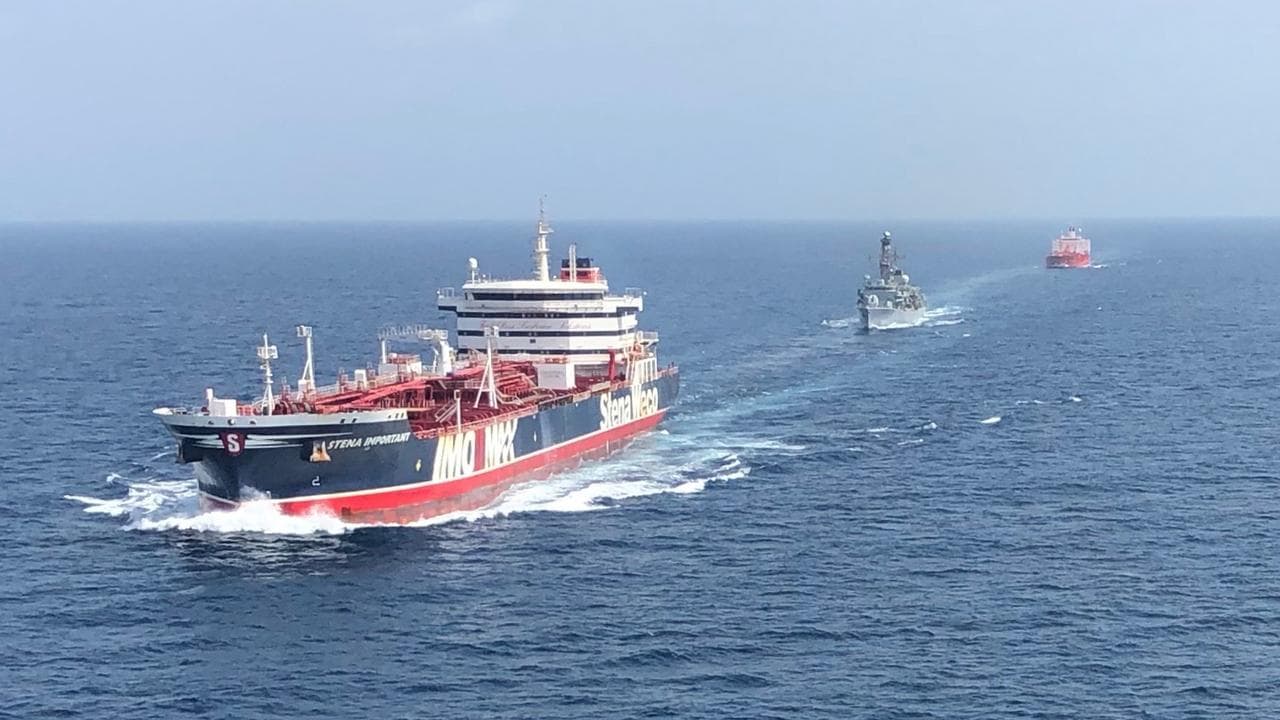
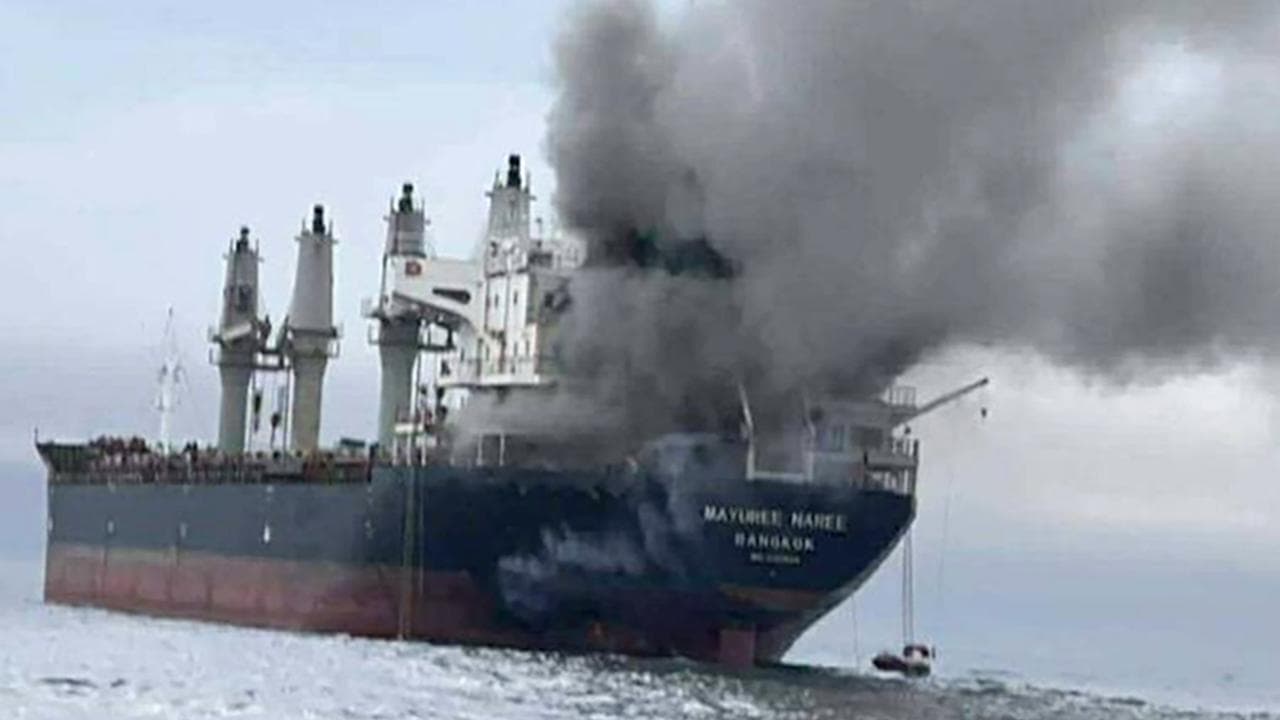
In response to US and Israeli strikes on Iran, Tehran has largely closed the waterway to shipping and attacked some oil tankers attempting to pass through.
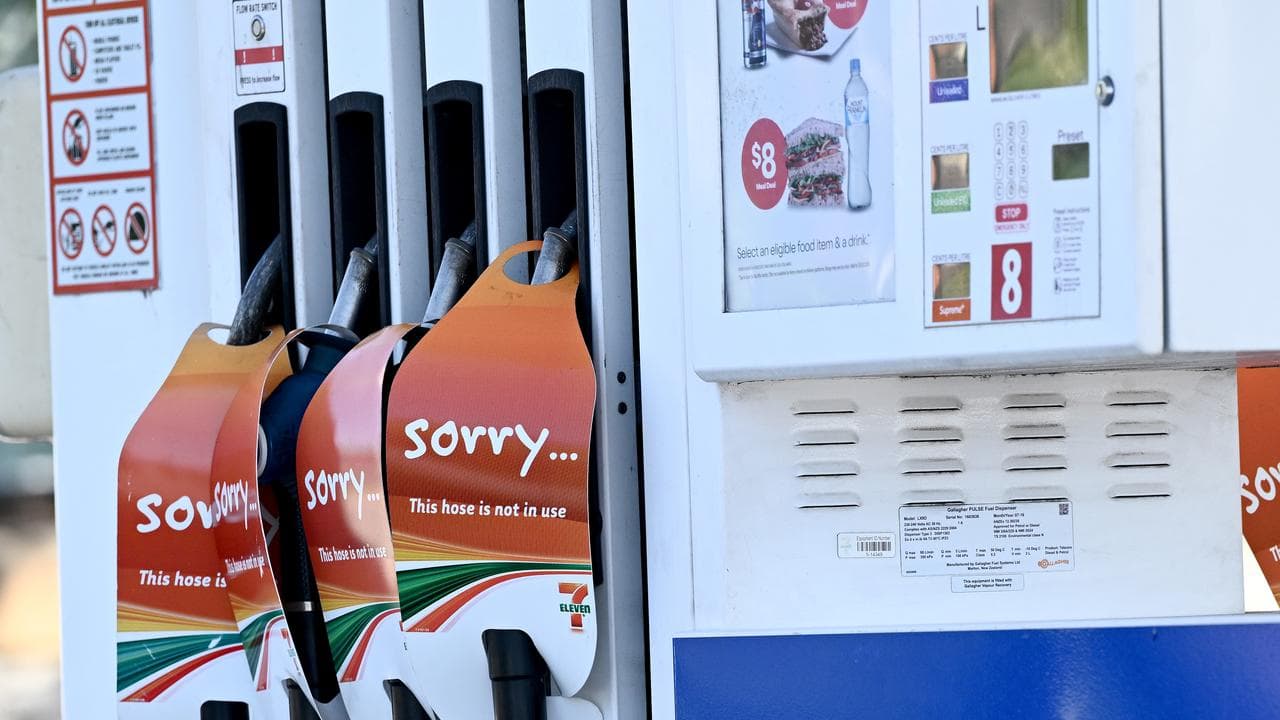
Petrol prices in Australia have hit record highs over fears that the closure will lead to fuel shortages, the Sydney Morning Herald reports.
The claim is in a Facebook video that features a man speaking firstly about the COVID pandemic and then the war in Iran.
"When 20 per cent of the world’s oil that doesn’t even come to us, that oil does not come to us, is suddenly stopped, but our price goes up over 50 per cent immediately, it tells you we do not have it under control, and the energy is just designed to make us believe that," he says (timestamp 5 minutes 34 seconds).
This is false. Australia uses refined fuel products made with crude oil that passes through the Strait of Hormuz.
It also imports very small amounts of crude oil and refined fuel products directly via the waterway.
Australia's two domestic refineries produced 14,230.9 ML of liquid fuel products in 2024/25 using about 80 per cent imported crude and other feedstocks, according to the government's Australian Petroleum Statistics (page 6).
About 1.1 per cent of this crude was directly imported from the Middle East in 2024/25 (p10).
However, Australia also uses petrol and other refined fuels produced in Asia from significant amounts of Middle Eastern crude, some of which passes through the Strait.
Australia imported 51,825.5 ML of these products in 2024/25 (p10).
The nation's largest sources of imported refined fuel imports were South Korea, Singapore and Malaysia in 2024/25, together accounting for 60 per cent of the total (p10).
The other main suppliers in that period were India (11.8 per cent), China (6.7 per cent) and Japan (3.7 per cent).
About 2.15 per cent of Australia's refined fuel imports came directly from the Middle East in 2024/25, mostly from the UAE and Oman.
South Korea sourced more than 70 per cent of its crude through the Strait of Hormuz before the 2026 war, according to a report by non-profit Solutions for Climate.
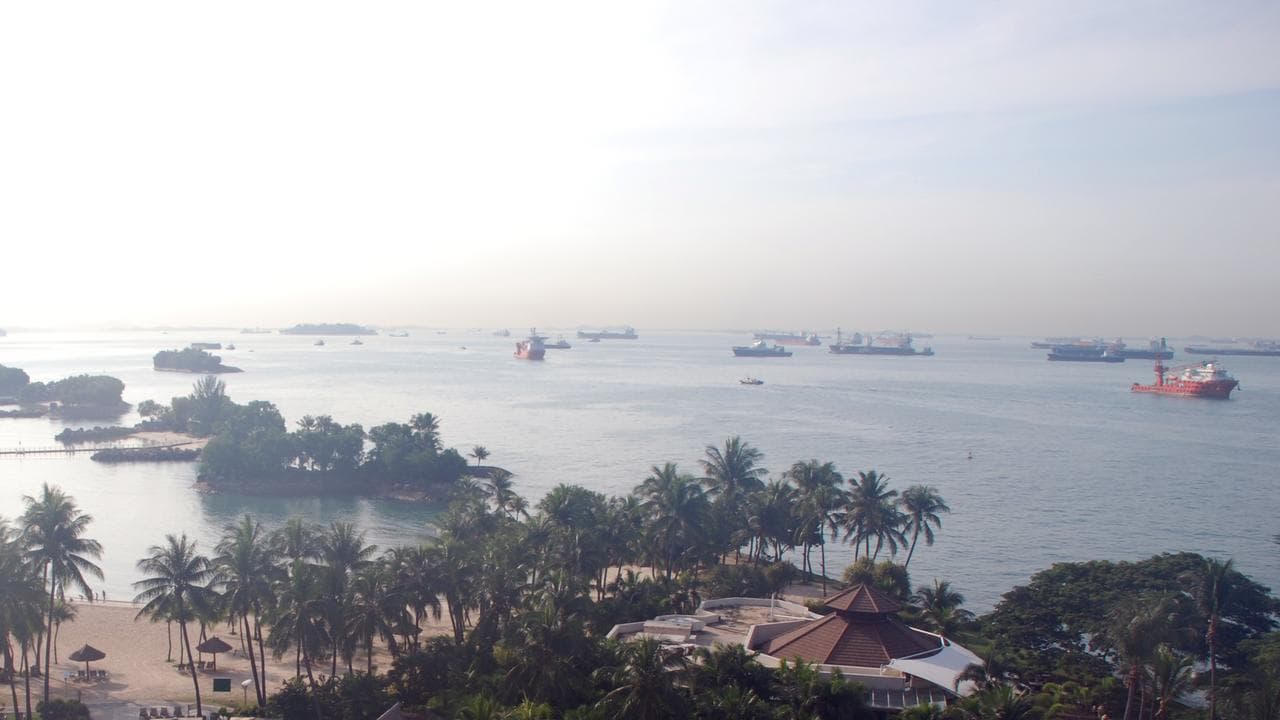
Refineries in Singapore sourced more than half of their crude via the waterway, Reuters reported.
About 68 per cent of the value of Malaysia's crude imports was sourced from the Middle East in 2024, according to government data (p46).
China imported 54 per cent of its crude from the Middle East in 2024, the US Energy Information Administration estimated (p14).
India was receiving 55 per cent of its crude oil from the region in early 2026, Reuters reported.
Malaysian Prime Minister Anwar Ibrahim said Iran had started allowing his country's tankers to pass through the Strait, Al Jazeera and The Guardian reported on March 28.
Some Chinese and Indian-flagged tankers have also continued to traverse the Strait under a deal with Iran, the BBC reported.
AAP FactCheck is an accredited member of the International Fact-Checking Network. To keep up with our latest fact checks, follow us on Facebook, Instagram, Threads, X, BlueSky, TikTok and YouTube.


