Women are increasingly seeking support for alcohol dependence as health professionals, advocates and people with lived experience note the changing face of alcoholism.
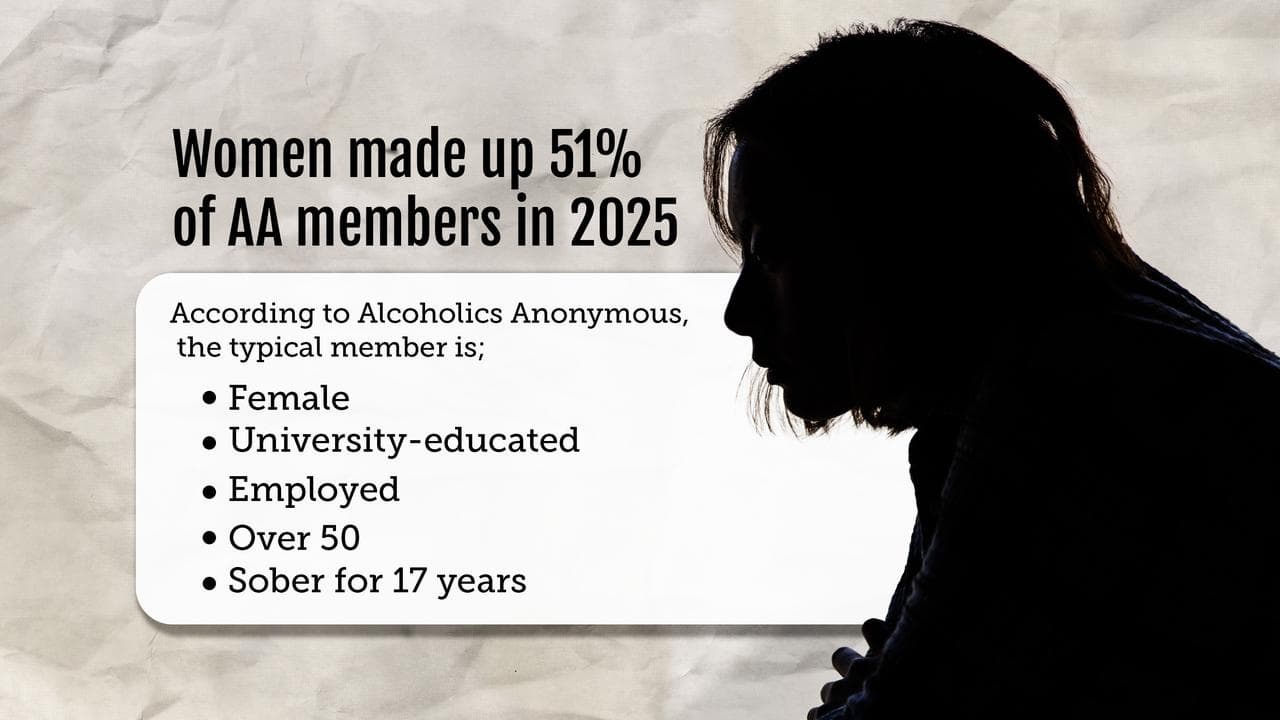
The typical member of Alcoholics Anonymous in 2026 is female, university educated, employed, over 50 and sober for 17 years, according to a recent survey by the organisation.
This compares to 2005 when the typical member was male, over 40, retired and with an average length of sobriety of 9.6 years.
Female AA members outnumbered men for the first time in Australia in 2025, with women making up 51 per cent.
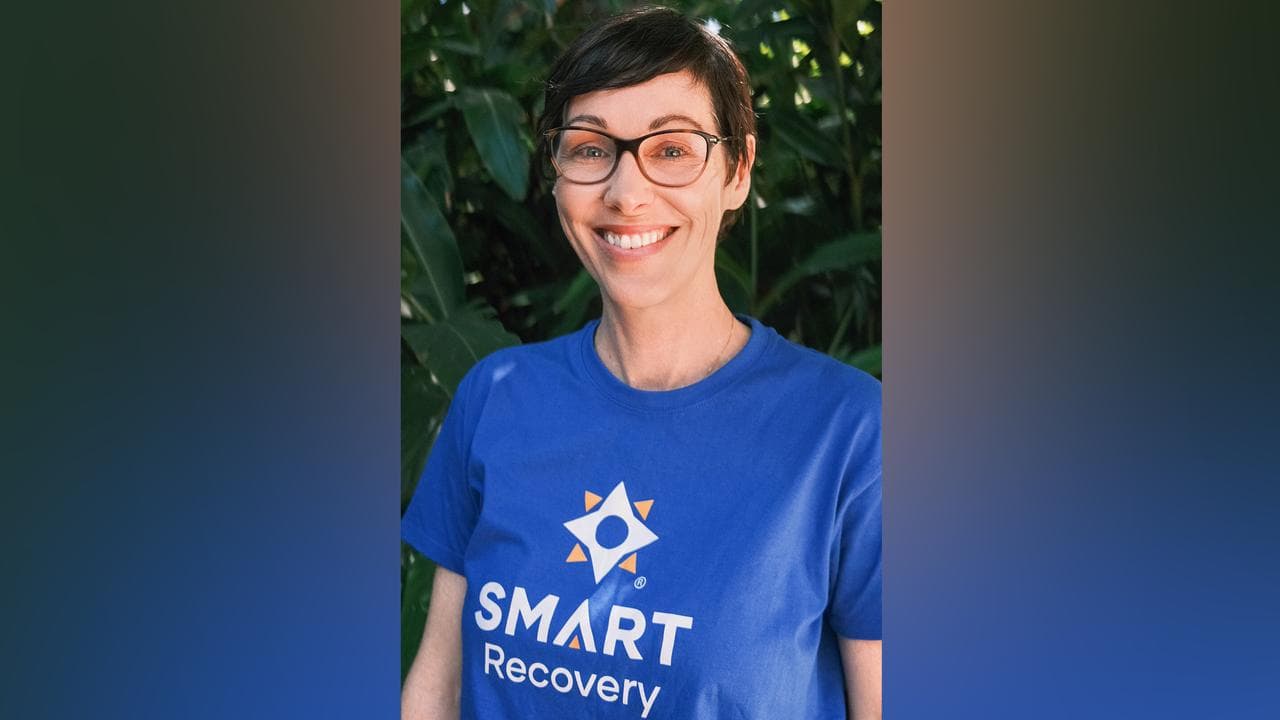
"Women of that generation have often been brought up in an era where they are expected to drink to keep up with the guys at work," says Clean Slate Clinics senior clinician Fiona Faulkner.
"They have grown up in a changing societal balance in terms of equity and gender equality.
"Simultaneously, this group is moving into menopause and there is a shift in what was perhaps manageable drinking for 20 years that has quietly turned into dependence."
Tasmanian Alice Hansen has seen first-hand the changing demographic of people seeking support for alcohol reliance.
"In AA rooms in 2008, it was older men that I couldn’t relate to as a young woman," she tells AAP.
"But I saw that shift over time to be women my age; mothers, professional people.
"People who look like they have it all together."
On paper, Ms Hansen didn't fit the stereotype of someone experiencing alcohol dependence.
She had earned a tennis scholarship to the United States, completed a degree in PR and journalism, and built a career in tourism.

But at home she was hiding bottles in linen cupboards and outside in the garden.
She rearranged her plans around access to alcohol and cancelled catch-ups at the last minute.
She entered rehabilitation for alcohol dependency for the first time in 2008 following encouragement from people close to her.
"When I had my first rehab admission it really left me in shock because I had a good job, I had a charmed life and great support," Ms Hansen says.
"The biggest barrier to seeking help is stigma and when you do finally walk through those doors there is so much guilt and shame associated with it."
Around 40,000 Australians present to emergency departments for alcohol withdrawal every year.
Ms Hansen was often part of the 70 per cent of Australians who relapse within 30 to 90 days of detox.
She returned to the same ward 26 times.
"It was a rollercoaster of sameness and expecting something different but the outcome was always the same," she says.
"Alcohol had robbed me of so much and I had so many moments of wondering how I could be hopeful for change when I was on my 25th visit to rehab."
While hospitals can manage the acute withdrawal episode effectively over several days, there is no structured follow-up within the system to prevent rapid relapse and re-presentation.
Patients are discharged back into the same circumstances that led to their admission, driving a predictable "revolving door" of ED presentations and short-stay admissions.
Part of the problem is that alcohol dependence is stigmatised as a personal failure rather than a systems failure, Ms Faulkner says.
"Following the detox period people are quite vulnerable because the nervous system is adjusting as withdrawal triggers stress and hormonal changes which puts the body into a hyper-alert state," she says.
"We are asking people in this state of stress, running on empty, deprived of dopamine to have the willpower to do better and make the change (and) it’s not an environment when willpower thrives."
Not only do multiple readmissions come at a personal cost for the individual, they also place financial pressure on the hospital system.
A single patient can generate $12,000 to $20,000 per year in acute care costs without achieving meaningful health improvement.
Clean Slate Clinics has prepared a pre-budget submission proposing a National Hospital Avoidance Program be funded to address existing gaps in care for people following detox.

The 90-day program, estimated at an average cost of $3700 per patient, would be delivered as a substitute for in-patient admission and focus on reducing re-presentations to emergency departments.
"When someone relapses it is not the system working and the person failing, it is the system working against someone to remove support at the most vulnerable time," Ms Faulkner says.
"It’s a fixable problem and we need to look after the hope in people that they are able to change their dependence on alcohol."
Ms Hansen credits continuity of doctor-led telehealth care following detox with changing her trajectory and ending the readmission cycle.
She had regular medical reviews, medication management and structured planning for predictable high-risk moments.
She is now sober, runs marathons, is learning to sail her yacht and leads retreats in Tasmania.
"I started running wellness retreats because I had suffered through pain for 20 years and wanted to make a purpose of it and help others going through something similar," she says.
"If I could go back to 2008, I would tell myself not to trust that alcohol would give me anything because it just takes so much more than you realise ...
"I would love to erase all the pain and say to myself you are loved for who you are, just as you are."
Lifeline 13 11 14
beyondblue 1300 22 4636


