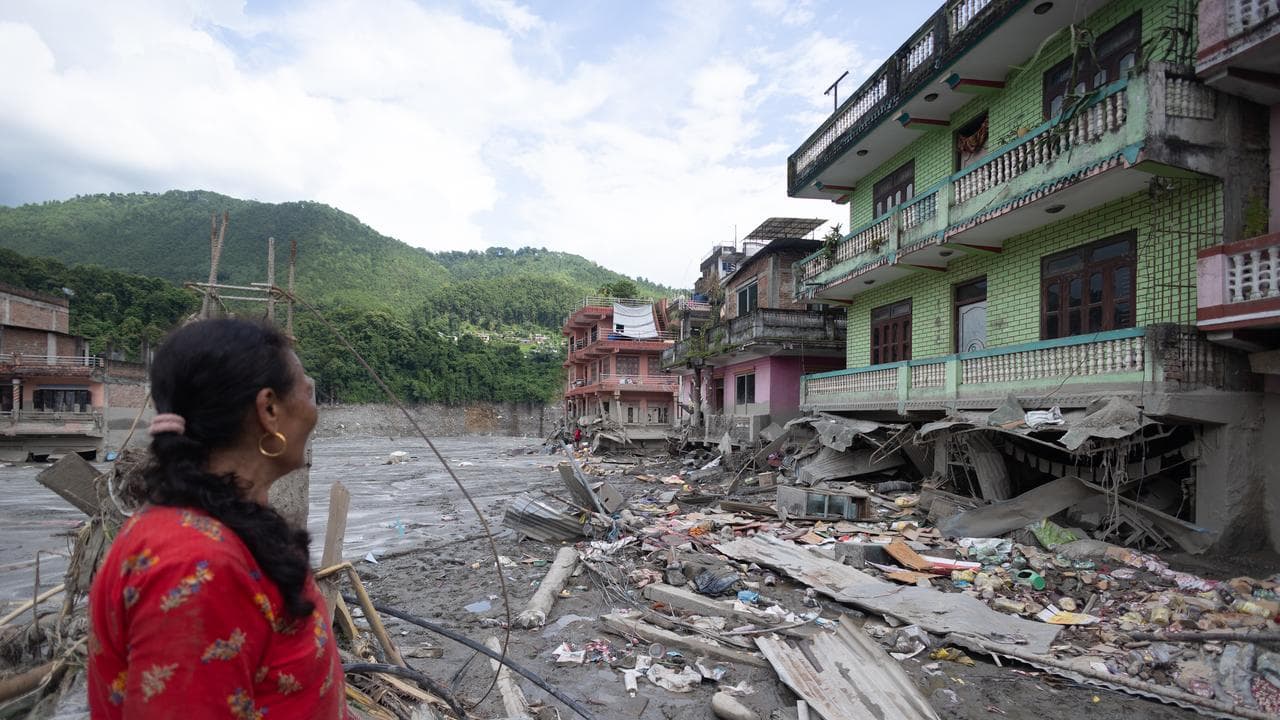
Telecommunication data is being provided to Nepali authorities to help narrow down the last known locations of Australians missing after catastrophic floods, as specialised drones from NSW are deployed to the disaster zone.
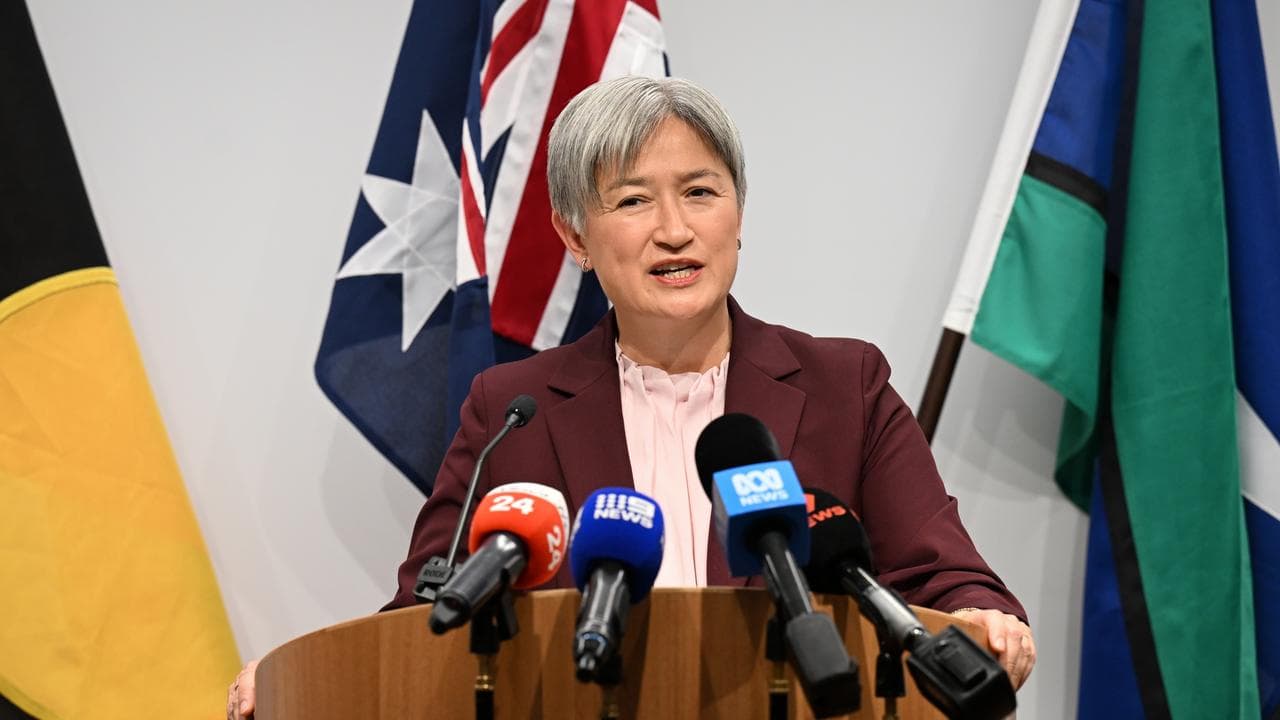
Foreign Affairs Minister Penny Wong said concerns deepened every day for the 38 missing Australians, as the death toll surpasses 1200.
Rescue teams from the Nepali army were expected to conduct searches on foot with helicopter and drone support in locations where many Australians were believed to have been staying, Senator Wong said.
The dozens of Australians are among 4200 people missing after a glacier collapse near Nepal’s border with China triggered devastating floods across towns and valleys.
"I can indicate that after our inquiries that Nepali authorities have advised us that searches are being conducted in the locations identified by Australia, including (The Kailash Hotel) and the Royal Himalaya Hotel amongst others," Senator Wong told reporters on Thursday.
A team of six drone operators and four incident management specialists from Fire and Rescue NSW will be sent to the Nepal flood zone with personnel from the Queensland Fire Department as part of additional on-the-ground support announced by the government on Thursday.
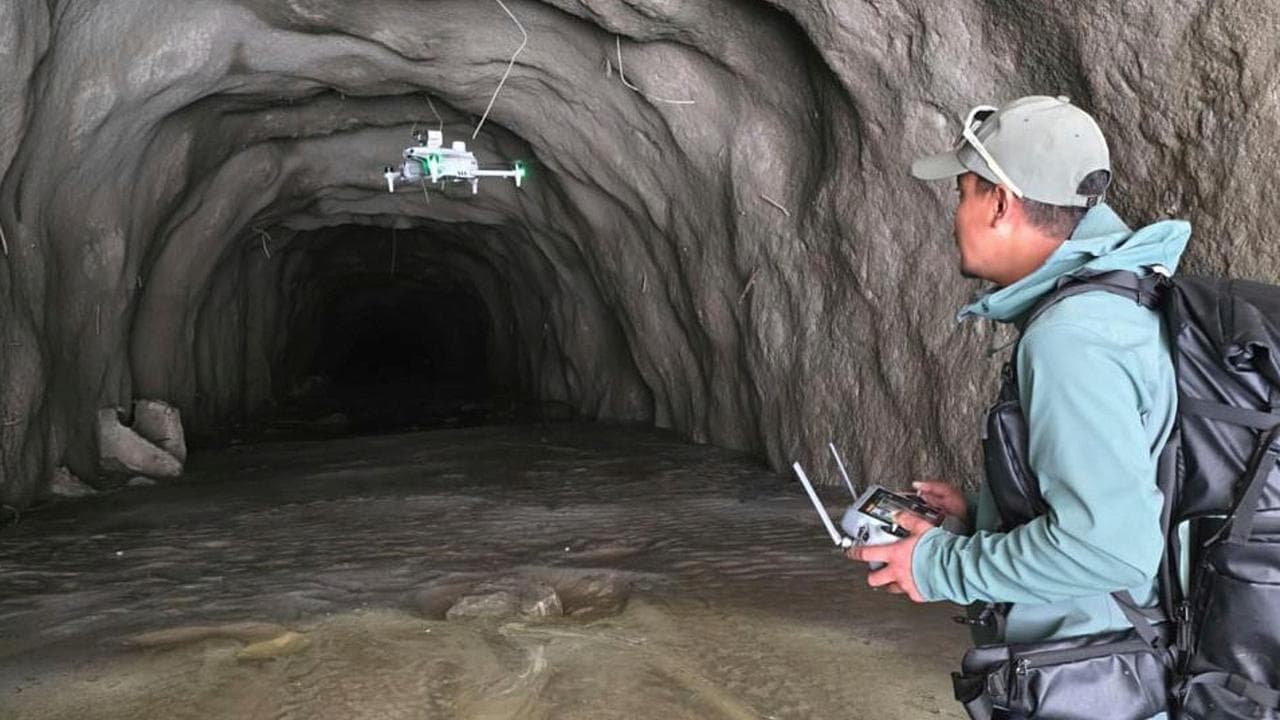
The 15-person Australian Disaster Assistance Response Team will use advanced drone technology for real-time imagery and geospatial information and mapping of affected regions, where transport routes and critical infrastructure remain severely damaged.
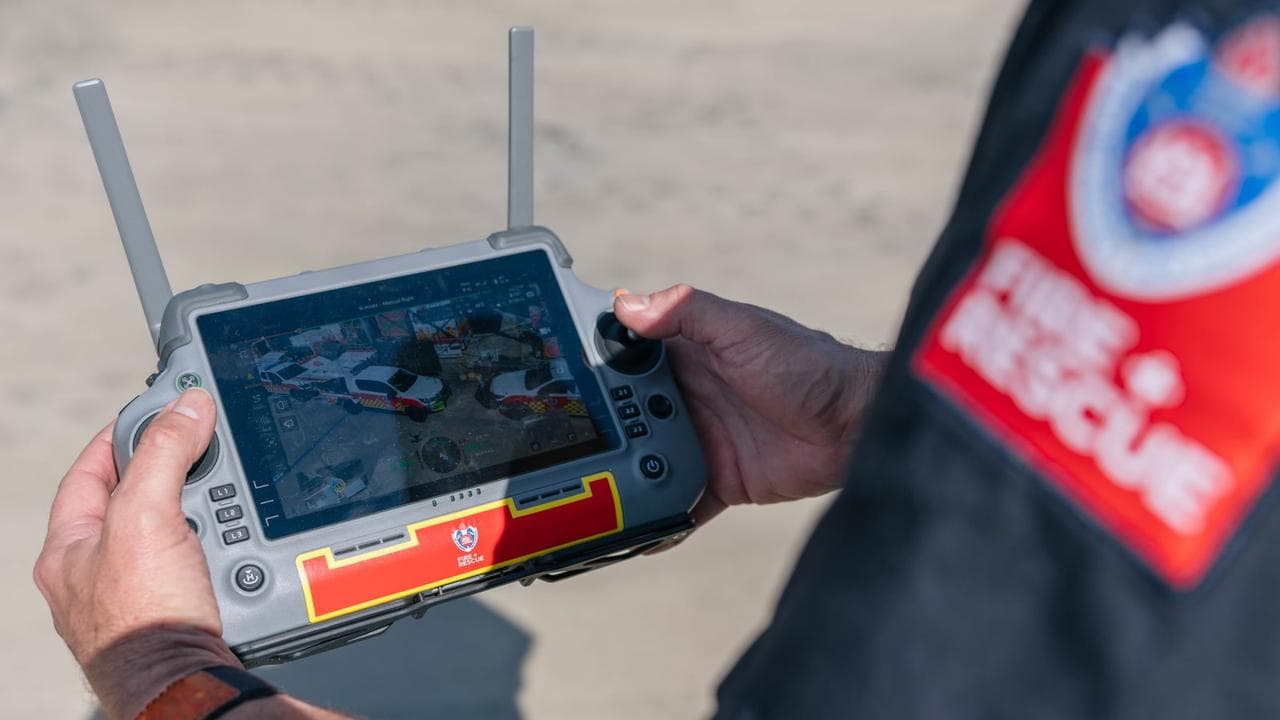
“They will play an important role, flying drones through areas deemed too dangerous for ground teams to search and providing critical information to guide search and rescue operations," Fire and Rescue NSW commissioner Jeremy Fewtrell said.
The technology has AI capabilities that can help find victims, along with thermal imaging to identify trapped victims through heat sources.
Built-in speakers and spotlights will give emergency crews the opportunity to communicate with potentially trapped victims in the rugged and highly mountainous region.
DFAT is working with local authorities to establish the whereabouts and welfare of affected Australians and to contact next of kin where appropriate.
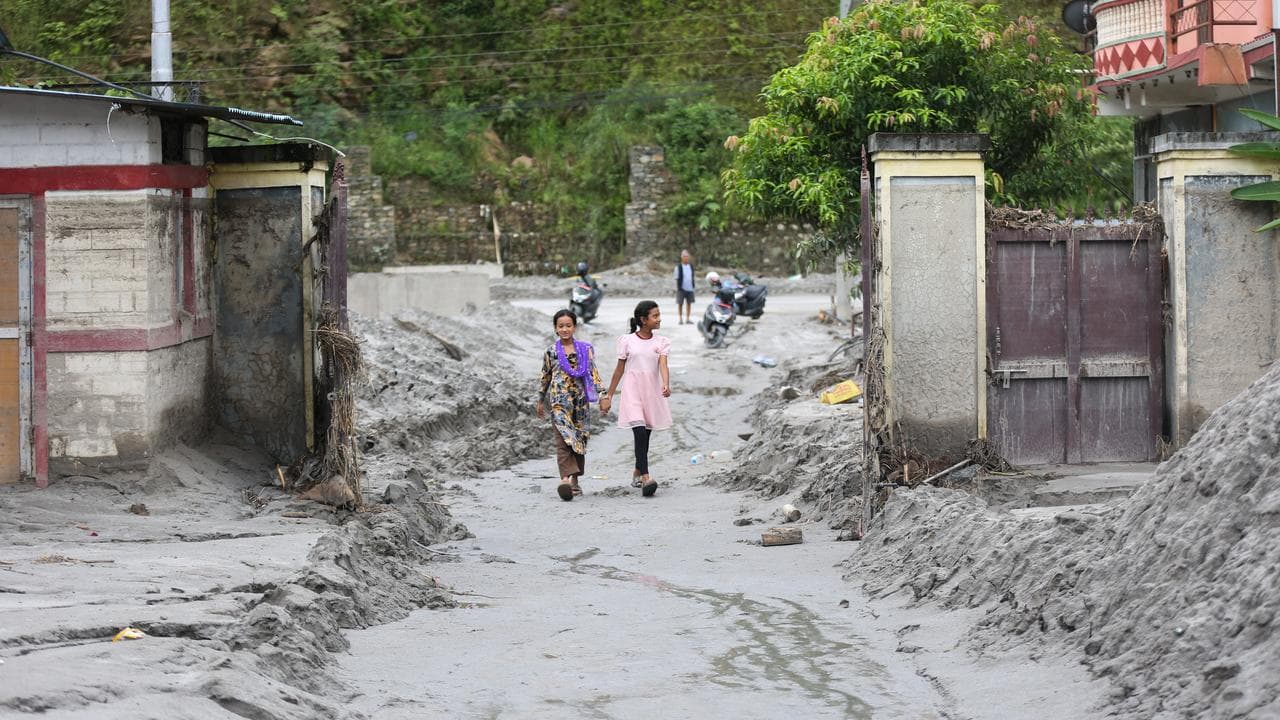
Nepali authorities will also be given telecommunication data to help narrow the last known location of missing Australians.
"We continue to work around the clock to ascertain as much information as we can and provide it to the families of missing Australians," Senator Wong said.
“We all hold on to hope, and we’ve got to hold on to hope."
There was no change in the number of missing Australians, after five citizens were confirmed safe on Wednesday.
Dedicated case officers are being assigned to next of kin, with disaster victim identification specialists ready to be deployed if needed.
Aid supplies aboard a Royal Australian Air Force plane arrived in Kathmandu on Wednesday.
More than 1400 hygiene kits, 2200 solar lights and phone chargers were among the items.
Australians have donated more than $4 million to the Emergency Action Alliance to support recovery efforts.
The federal government will provide a further $3 million to match public donations, bringing the ongoing humanitarian support package to a total of $11 million.
Grieving community members in Australia continue to cling to hope their loved ones are safe.
"Lots of people are stuck in the tunnels over there as well, and most don't have any contact ... we are still hopeful that maybe we can get good news," Non-Resident Nepali Association Victorian co-ordinator Mahadev Dhanuk told AAP.
"Many are not personally affected, but culturally we feel like one family. That's why everyone is devastated," Mr Dhanuk said.
"All of the community is trying to overcome their own plight and trying to help and think how can we stand with Nepal?"


