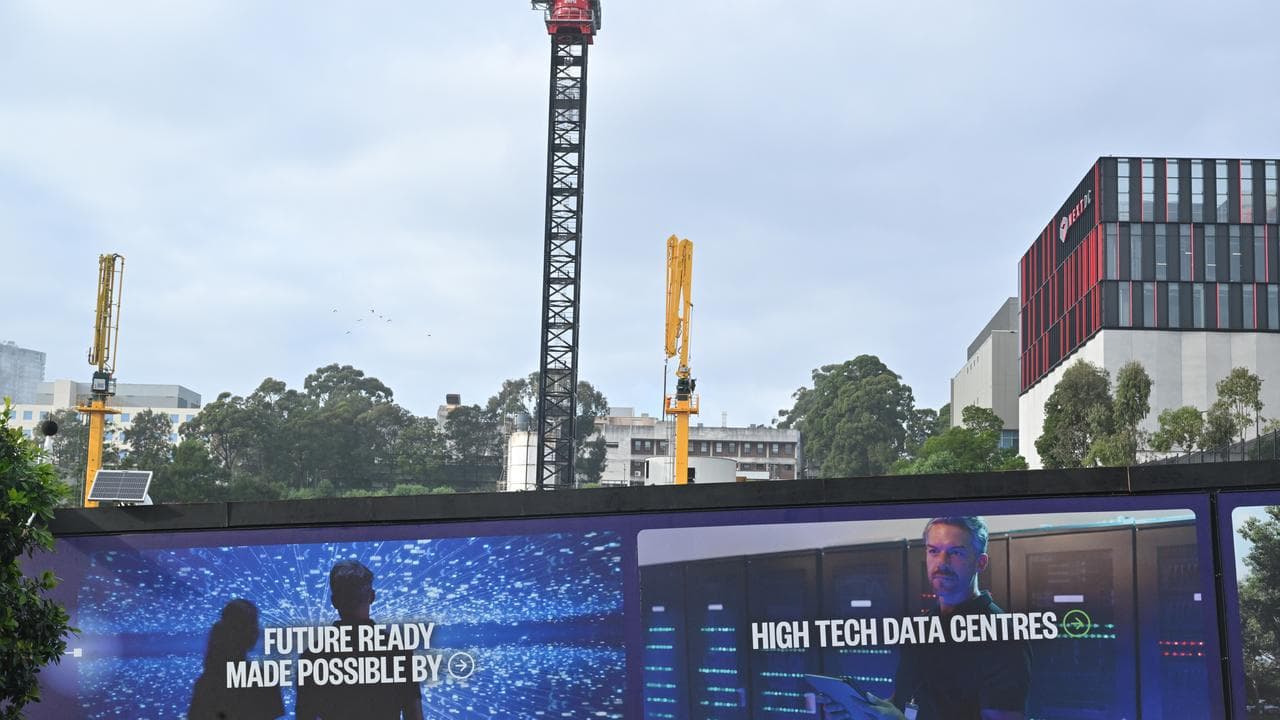
Australia's economy and artificial intelligence are increasingly intertwined.
But while residents can push back against data centres and businesses can choose how fast to adopt AI in their workplace, Australians are unwittingly becoming increasingly exposed to the financial repercussions of the technology boom.
More than five per cent of Australian households' financial wealth is invested in shares of AI-related companies, mainly through superannuation, according to estimates by Reserve Bank staff.
"AI is likely to be one of the most significant technological developments of our time," RBA chief economist Sarah Hunter said in a speech on Monday.
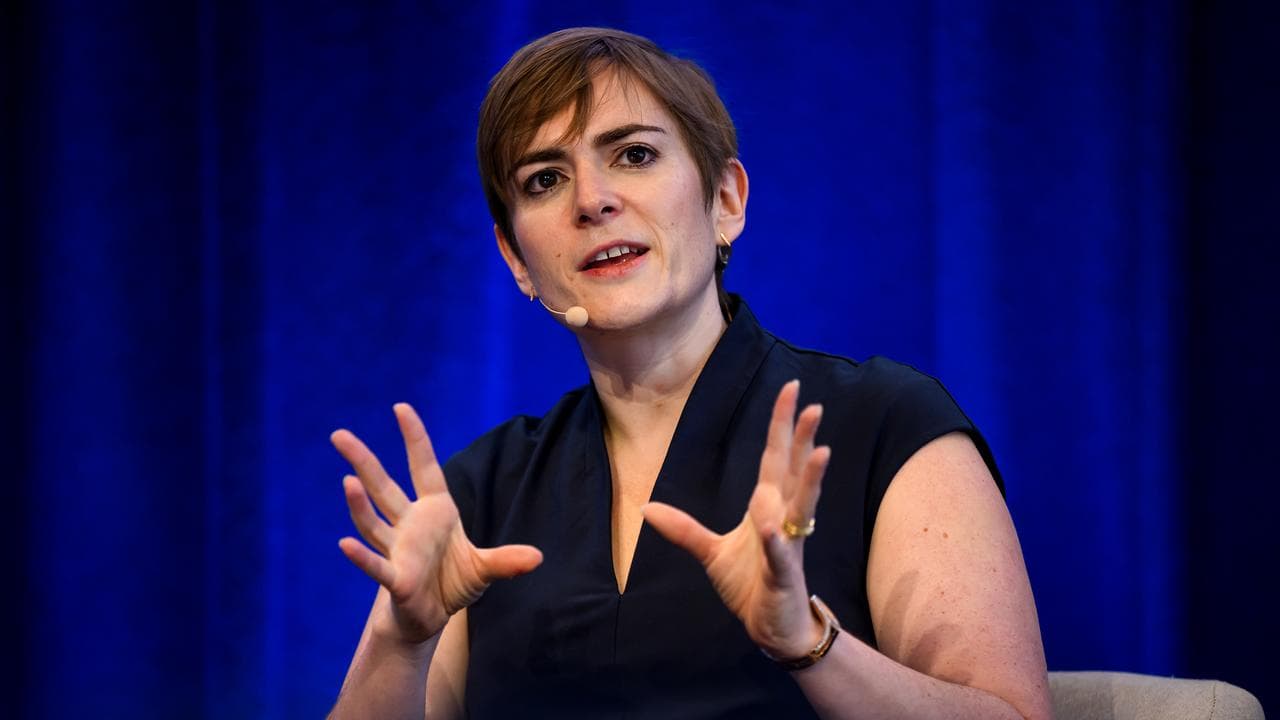
"It’s already starting to reshape the economy, affecting businesses investment and the patterns of demand across the economy."
The central bank also released research by RBA staff examining the implications of AI for the labour market, inflation, the data centre build-out and household wealth.
As firms such as Nvidia and SpaceX have exploded in value, exposure to AI-related equities increased from two per cent of Australia's household financial wealth at the end of 2022 to 5.3 per cent in June 2026, RBA staff estimated.
"This increase means that household wealth, and potentially consumption, has become more sensitive to movements in AI-related equity prices than was the case in 2022," they said in a research note.
While greater wealth in the form of shares could encourage more household spending, it could also leave Australians vulnerable to a market correction if the touted benefits of AI turn out not to justify the exorbitant share prices.
The duo estimated that a 30 per cent fall in the price of AI-related equities would reduce household wealth by 1.6 per cent.

Assuming the bubble does not burst, the benefits of AI are also unlikely to be evenly spread.
Financial returns so far had been concentrated in the hands of a few, Dr Hunter said.
There is limited evidence of AI boosting productivity yet, but signs that it is contributing to inflation.
Export prices for a type of memory chip made in South Korea, called DRAM, surged by more than 200 per cent in the year to September due to strong demand for AI-enabling goods, according to separate RBA research.
Australia does not import these chips directly, but higher prices are passed on through broader tech costs.
That will filter through to computer servers needed to fit out data centres and to consumers paying more for smartphones and gaming consoles at Christmas.
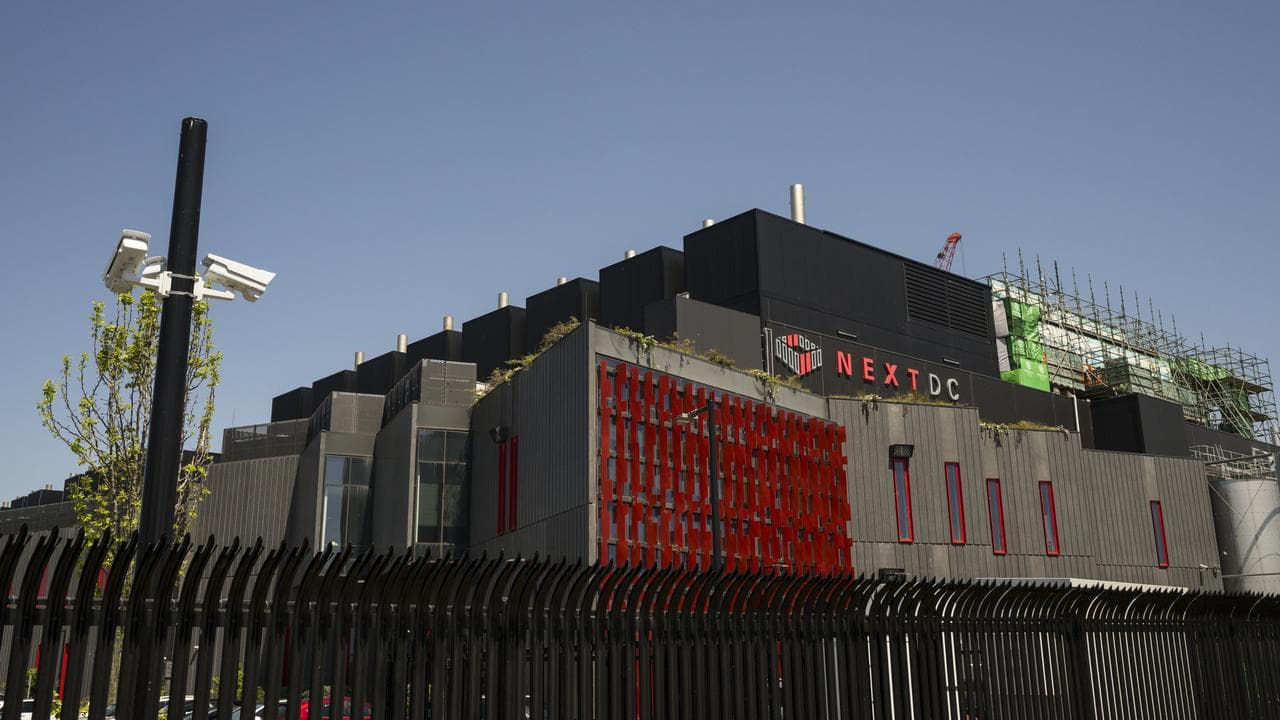
RBA staff estimate data centre investment has expanded tenfold in the past three years.
At a time when the economy is already over capacity, the data centre build-out is drawing on labour, materials and land that could be used for other purposes, such as solving Australia's housing shortage.
A further $115 billion in data centre investment is projected by RBA staff by the end of 2028 - worth about two per cent of GDP.
However, that figure could be overstated if constraints to development mount, such as access to power and water, availability of construction resources and the possibility that some announced projects do not proceed.
On Saturday, developer Stockland shelved plans for a data centre to be built as part of a massive industrial and logistics project in Kogarah, near Sydney Airport.
It follows other major data centre projects scuppered by community opposition in recent weeks, including NextDC's M3 expansion in Melbourne and Goodman's Project Mars development in Sydney's northwest.


