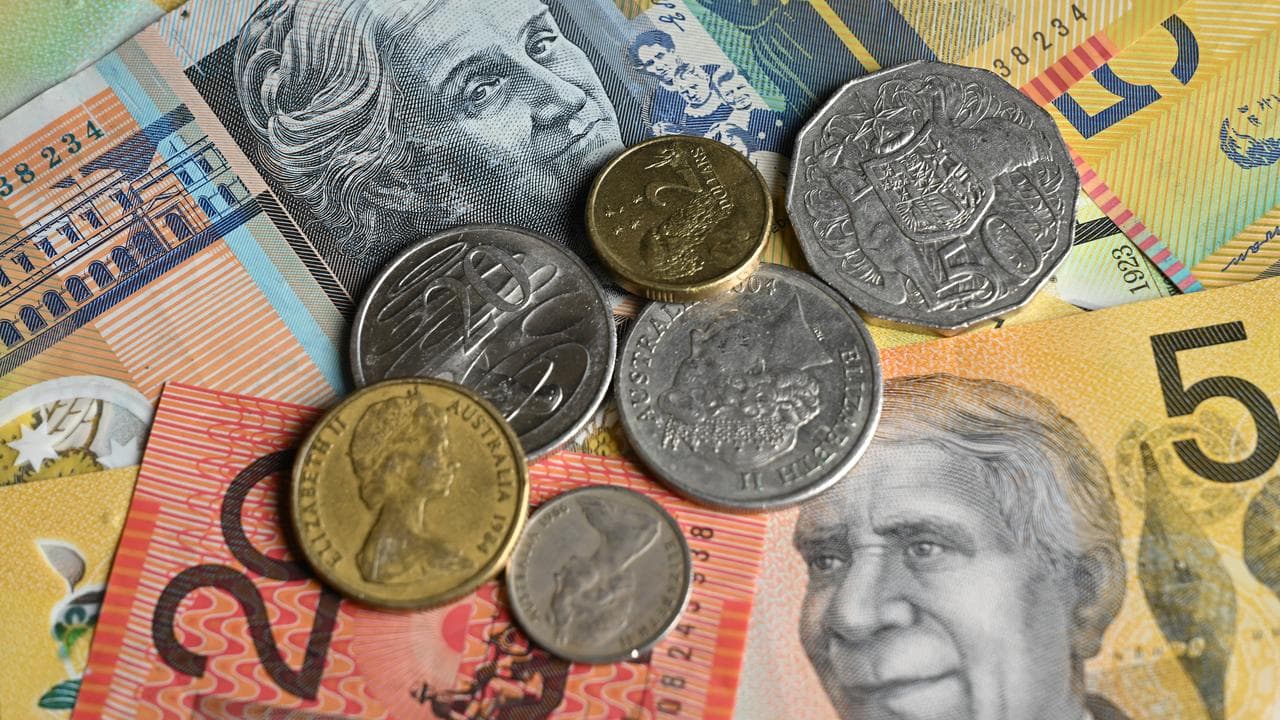
If you are one of those people who still carry a bunch of $10 or $20 notes around in your pocket in case of emergencies, you're not alone.
While a majority of payments made in Australia are done by electronic means, including cards, about half of the nation continues to use cash every week, according to the central bank.
The Reserve Bank of Australia, which issues and oversees the supply of notes and coins, says cash remains very important - particularly among older people.
"Cash supports economic inclusion, serves as a fallback if electronic payments are unavailable, and is an important store of value, particularly during periods of economic uncertainty," it said in a survey issued on Monday.
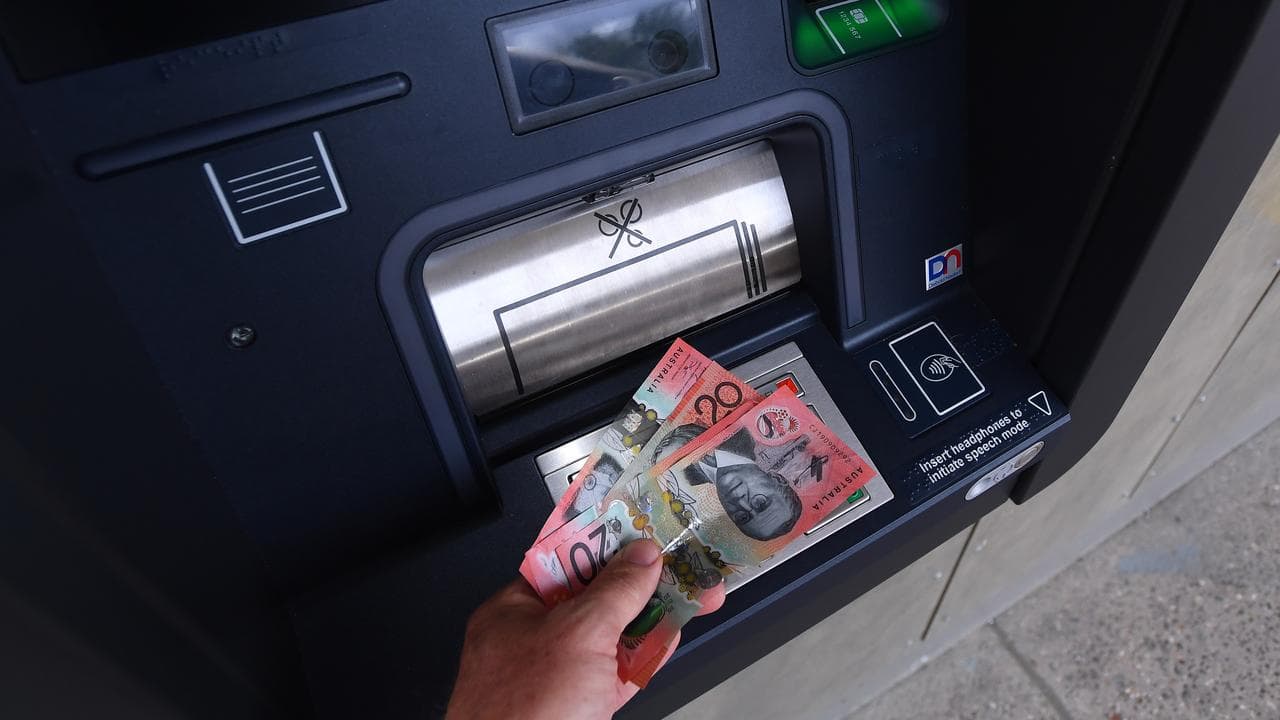
The survey, which is conducted every three years, shows 15.4 per cent of payments, by number, were made with cash in 2025.
That's the first rise since the survey began in 2007 and up from 13.3 per cent three years ago, although it's still well down from 69 per cent at the beginning.
In-person cash payments, usually at the shops, totalled almost 20 per cent, which was an improvement on 2022's 16.4 per cent.
"Cash continued to be used more frequently for lower value transactions," the survey found.
Around one-in-four payments under $10 were made with cash, with most people carrying a median of $65 in their wallets.
"Australians have consistently used cash more frequently to pay for leisure - such as going to the cinema or local community events - than for most other types of spending, even as overall cash use has declined in the past 20 years," the bank said.
The leisure sector accounted for about 34 per cent of cash payments in 2025.
In contrast, transport made up about 15 per cent, reflecting increased use of card taps for public transport and rideshares or taxis.
Some Australians - about three per cent - are high cash users and use physical currency for 80 per cent or more of transactions, according to the bank's calculations.
Low users, who pay cash for up to 20 per cent of transactions, account for about 17 per cent.
"Australians across all demographic groups continue to use cash to make their everyday payments," the bank said.
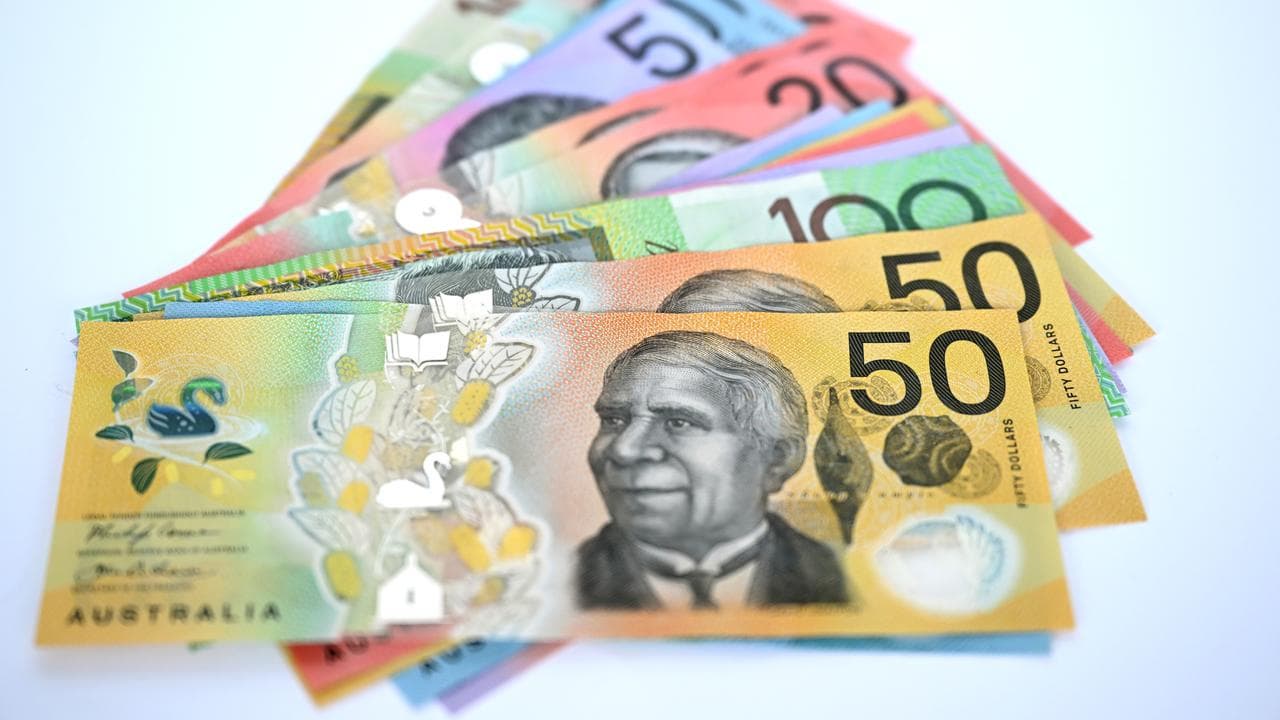
As the bank noted, millions of Australians like their cash and see it as a good backup to keep at home or in their wallets in case electronic payment systems go down or they have an unexpected expense.
Asked why they need cash, most said to pay merchants that only accept cash, make budgeting easier, pay family and friends and for security and privacy reasons.
Asked why they want cash, about 20 per cent wanted to avoid surcharges on other payment methods, like cards, and preferred to use it for low-value transactions.
There's more than $100 billion worth of Australian banknotes in circulation, according to the bank.
* The bank's 2025 consumer payment survey involved 1200 people recording transaction details over seven days.


