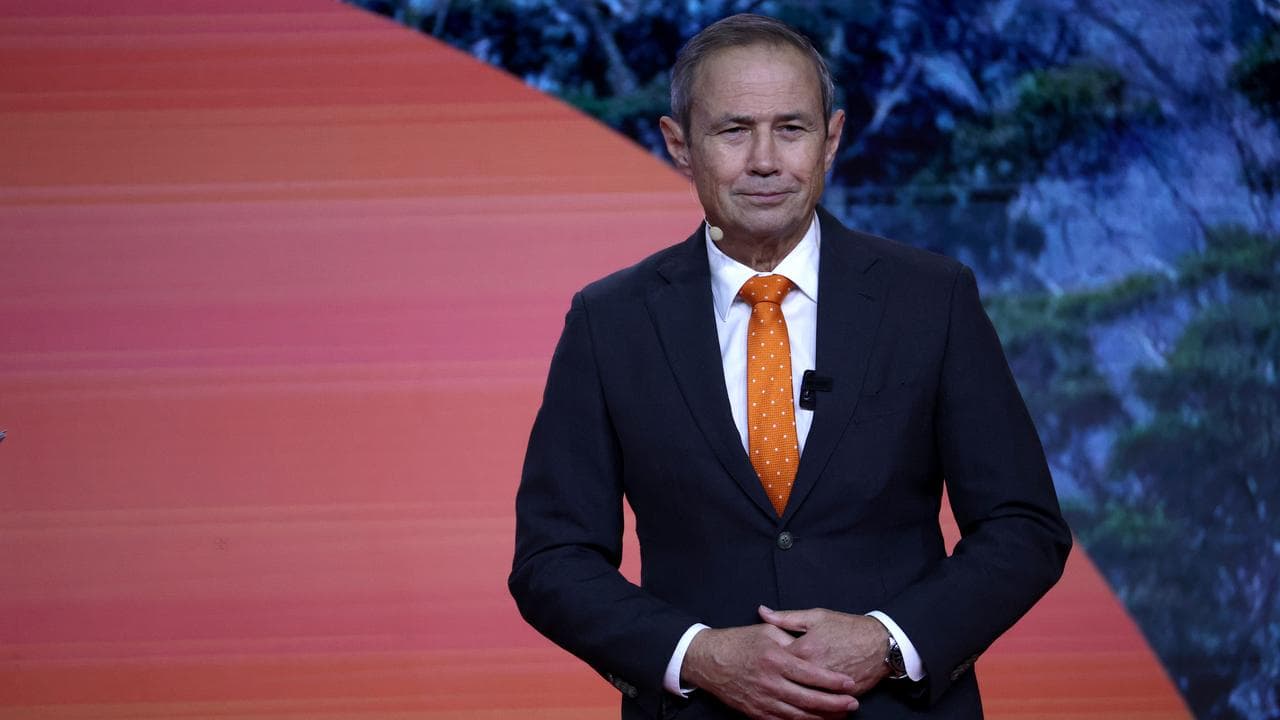
WA Premier Roger Cook has broken ranks with his federal Labor colleagues in criticising looming changes to working holiday visas.
In a letter to Immigration Minister Tony Burke, Mr Cook said federal migration policy changes would lead to the loss of thousands of tourism and hospitality jobs, particularly in regional areas.
Under the changes, a ballot system will be put in place for working holiday makers seeking to spend more than one year in Australia.
Just 45,000 places will be offered for a second year, with 5000 spots available for a third year.
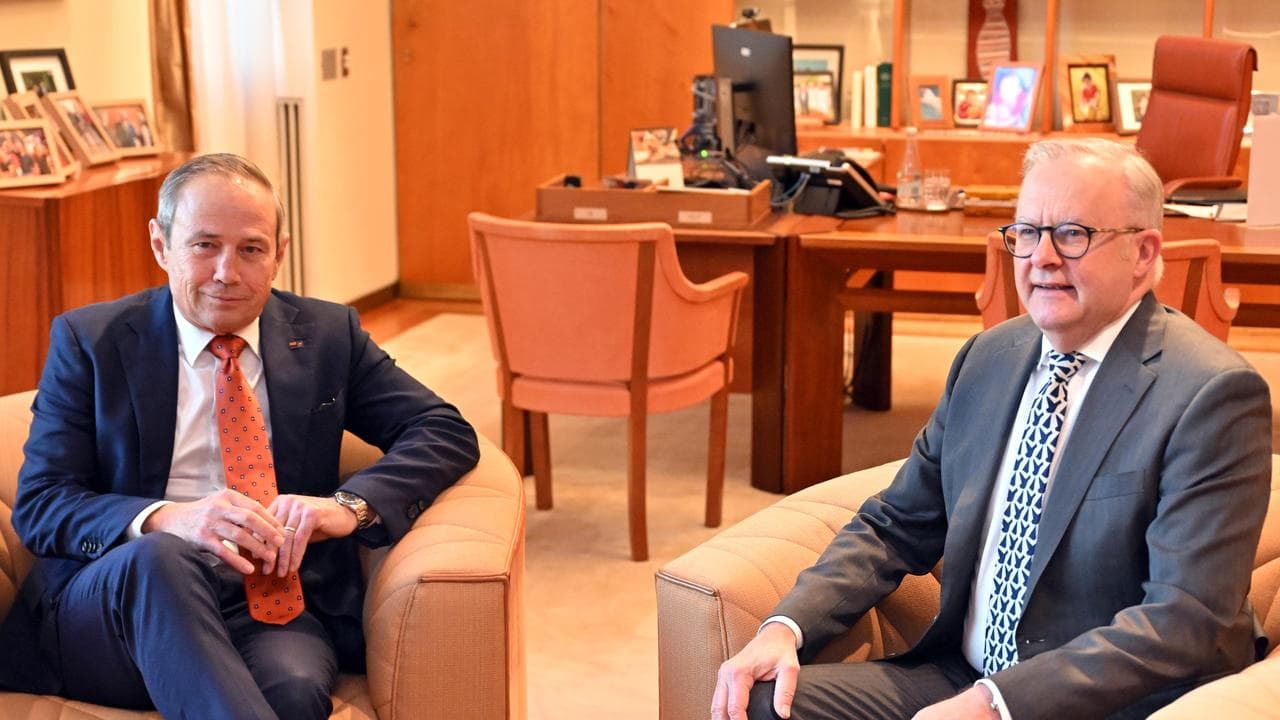
Mr Cook said the reforms would impact many industries in the state reliant on backpackers.
"We simply cannot support changes to the working holiday maker visa scheme that could have such a significant negative impact on regional Western Australia," he said in the letter.
"This workforce is critical to ensuring Western Australia’s tourism and hospitality sectors can continue to provide quality experiences for Western Australians, as well as interstate and international visitors."
The WA premier estimated the reduction in backpackers visas would result in a loss of 4500 tourism and hospitality workers.
"Working holiday makers are not just workers, they are also tourists who spend money in regional areas supporting regional economic development,"he said.
"We urge you to reconsider these proposed changes and would welcome the opportunity to discuss practical changes to the scheme to reduce the impacts on Western Australia."
The letter was also signed by WA's Tourism Council and the Australian Hotels Association WA branch.
"The sector relies on experienced second- and third- year working holiday makers who are familiar with regional conditions and seasonal operations," the letter said.

The WA premier had previously called on the federal government to provide exemptions for the state for skilled migrant quotas.
The coalition has promised to scrap the caps on working holiday maker visas, but fees would be increased for those looking to stay longer than one year in Australia.
Exemptions would apply for those who carry out work in regional areas.


