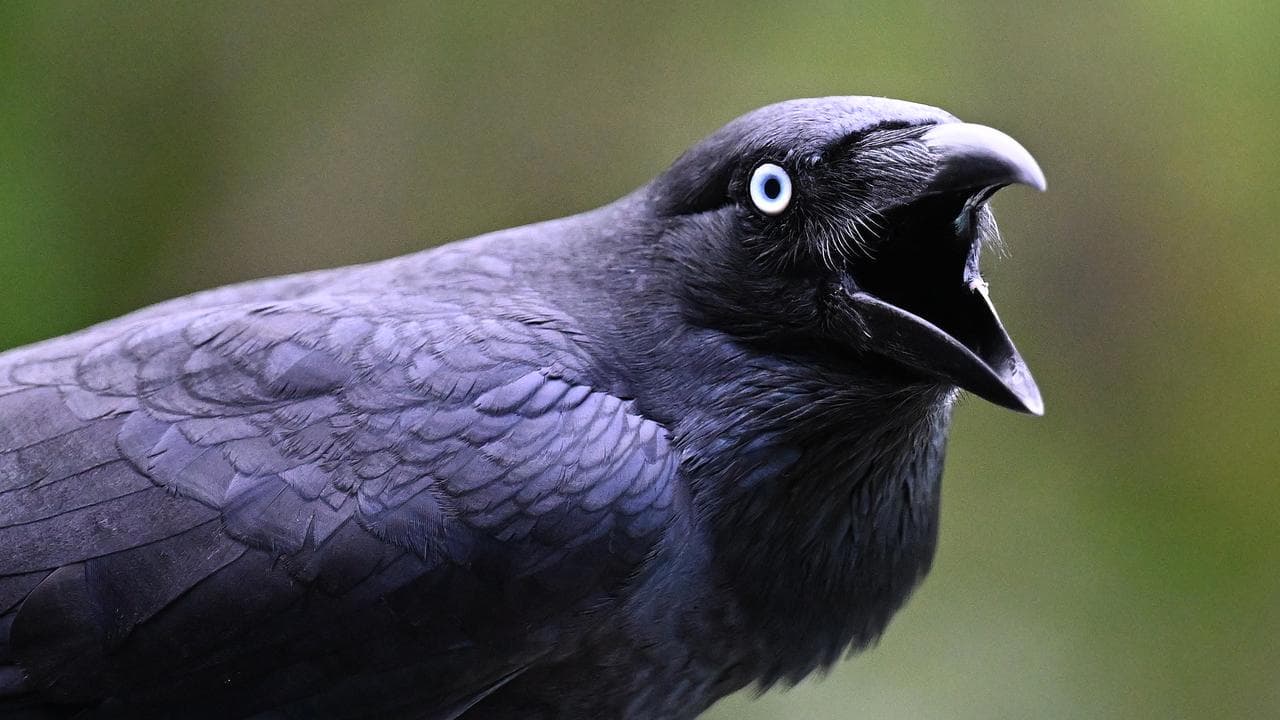
Backyards have become Australia’s new frontline against a fast‑moving bird flu outbreak.
Pet and poultry owners have been urged to take precautions to protect their beloved domestic animals as the national tally of confirmed or presumed bird flu cases climbs to 231.
The virus has so far been confined to wild birds but authorities have warned what happens in suburban yards and smallholdings in coming weeks will be critical to keeping the deadly strain at bay.
The majority of the nation's confirmed cases are in South Australia, with the state count rising to 163 following another 11 detections in wild seabirds.
The new cases confirmed by CSIRO’s Australian Centre for Disease Preparedness in Geelong include a cormorant as well as greater crested terns and gulls found along the Limestone Coast, Kangaroo Island, the Yorke Peninsula and Adelaide’s coastline.
However, the state's attention on Monday shifted from remote seabird colonies to household pets and backyard flocks as authorities looked to ensure they don't act as a bird flu bridge between wildlife and humans.
"It's now important to really focus in on our domestic animals and what we can do practically to keep them safe," RSPCA SA chief executive Marcus Gehrig said in Adelaide.
Owners should look at containing cats indoors or in secure outdoor enclosures so they are not interacting with wildlife and wild birds, which have been shown globally to pose a particular risk, he said.
"Our backyard birds and poultry, they are very susceptible to bird flu, and the prognosis there is typically death,” he said.
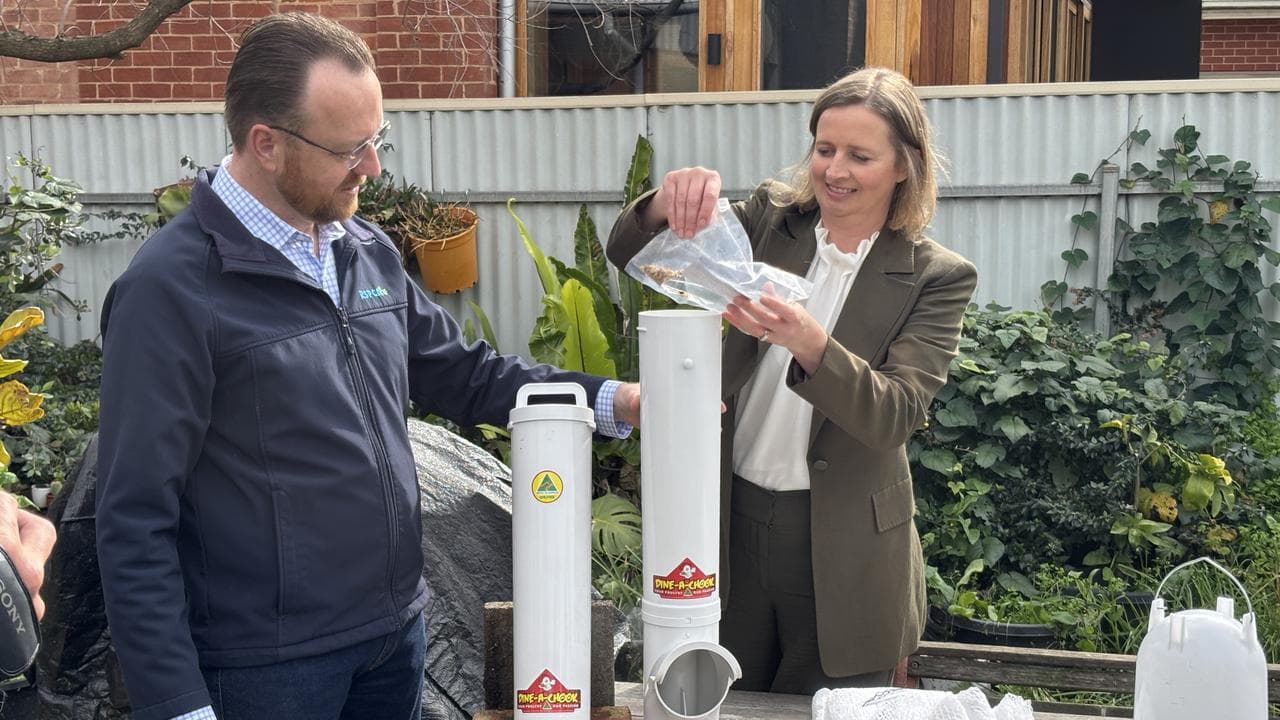
Owners have been urged to flocks separate from native wildlife and to ensure feeders and their water sources are separated.
"We know cats that are left to roam prey on wildlife and now, more than ever, it’s important to keep them indoors," SA Environment Minister Emily Bourke said.
International reports of H5 infections in dogs are infrequent but increase when exposed to sick or dead birds.
State biosecurity director Georgie Cornish urged people to keep their pet birds away from wild birds by adjusting aviaries or keeping them inside.
Simple hygiene and securing feed and water from wildlife was key to avoiding the spread, she said.
Commercial producers are advised to undertake voluntary housing orders and other precautions.
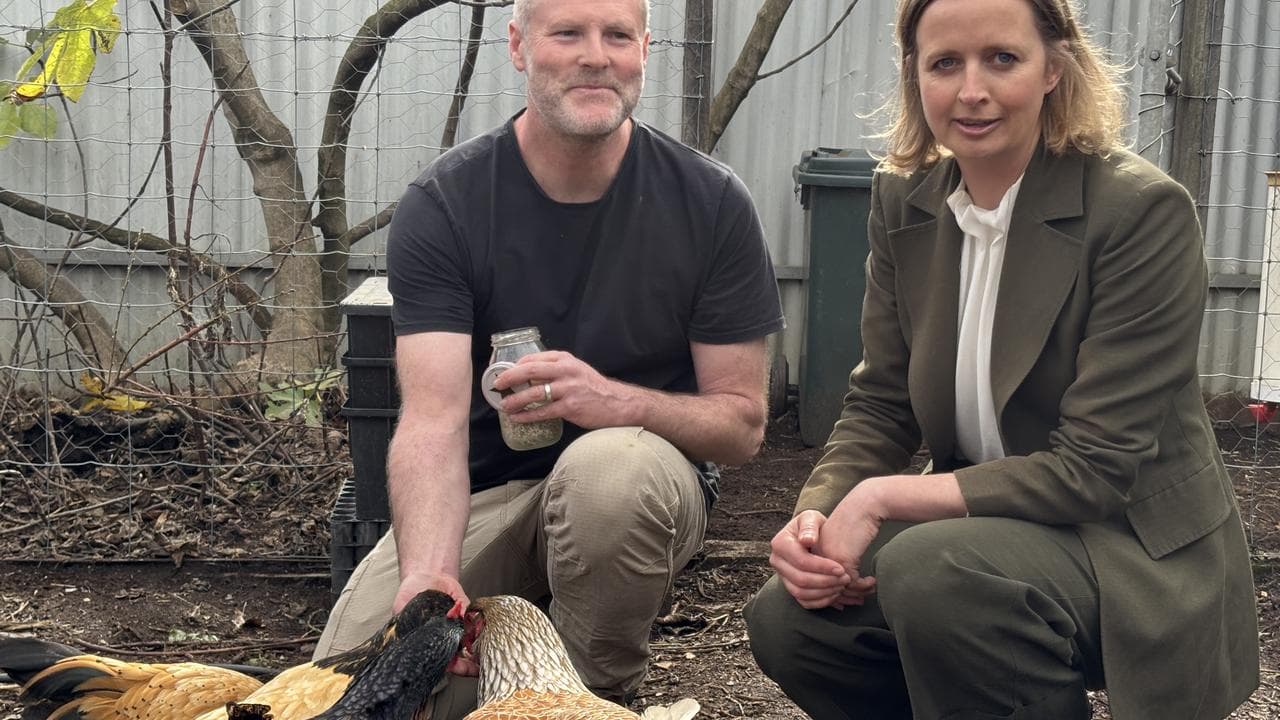
Adelaide dog and chicken owner Anthony Abley installed enclosed feeders and drinkers that exclude wild birds and vermin, including a treadle feeder that only opens when his hens step on it.
He said his family plans to move the flock into a smaller, fully netted run to further reduce contact with wild birds as the season progresses.
Members of the public are being urged not to touch sick or dead birds and to report them via a national hotline listed at birdflu.gov.au instead of handling carcasses themselves.
The federal government has stressed that “the risk to human health remains low” and has invested more than $113 million to boost Australia’s H5 preparedness as part of a wider $2 billion biosecurity package.


