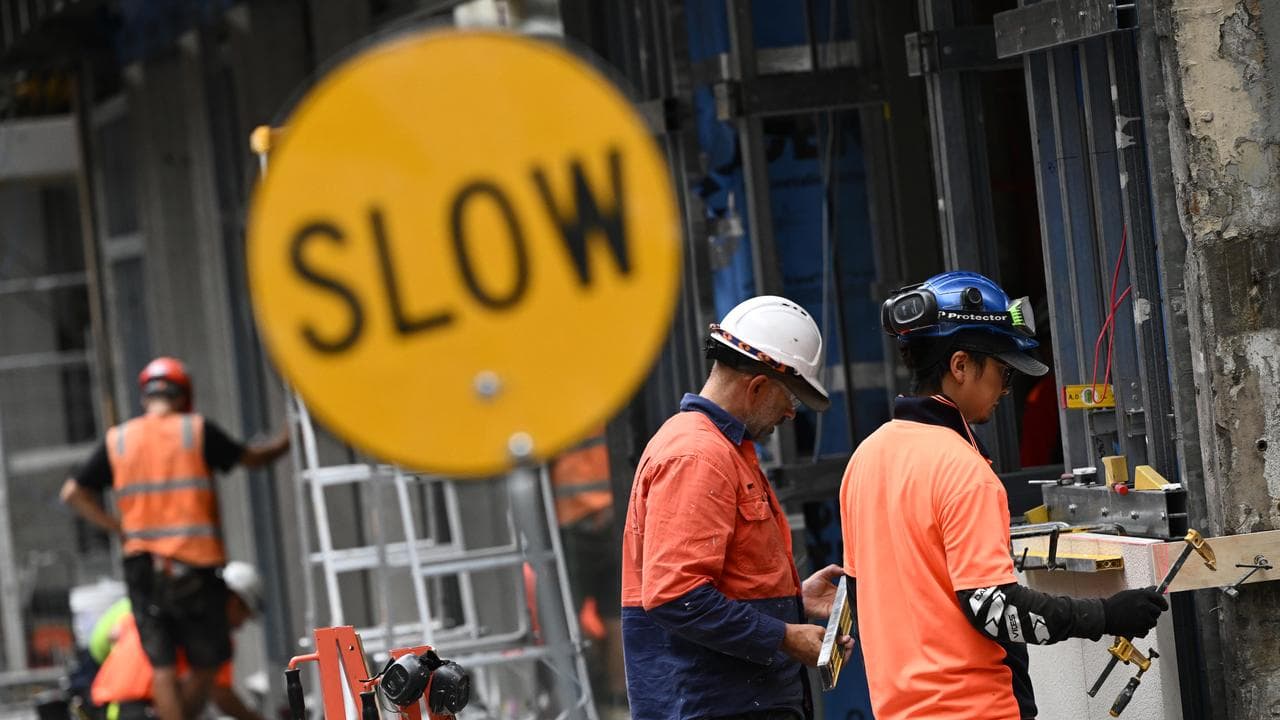
Australians are working longer hours but it's not showing up on the productivity scoreboard as levels tumble to a post-pandemic low.
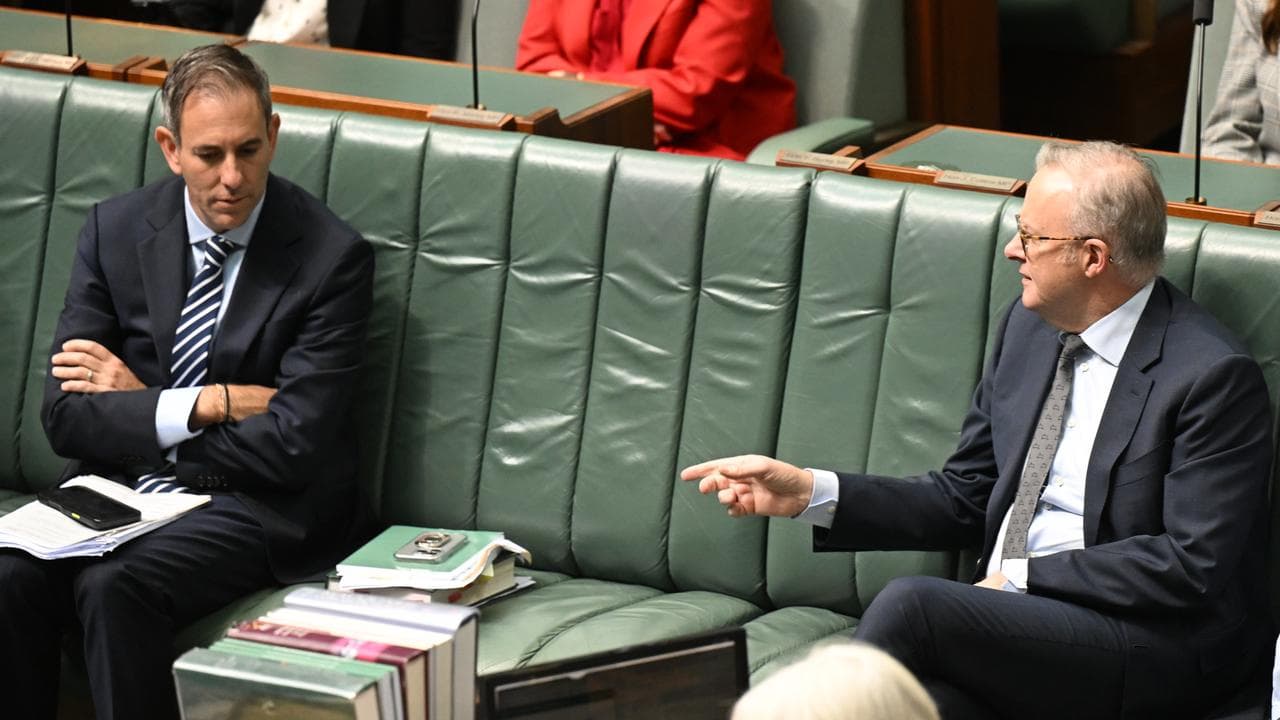
The Productivity Commission's quarterly bulletin reinforces the scale of the challenge confronting Treasurer Jim Chalmers.
Breaking down Australian Bureau of Statistics data, the report highlights labour productivity fell by 0.6 per cent in the March quarter while hours worked grew by 0.9 per cent.
In the year to the end of March, labour productivity was up a paltry 0.3 per cent compared with 2.2 per cent growth in hours worked.

"Australia’s labour productivity growth is going from bad to worse," commission deputy chair Alex Robson wrote.
"The accounting is straightforward: the value of goods and services we produce is increasing, but not by as much as hours worked.
"In aggregate, we are working harder and longer, but we are not working smarter."
Productivity measures how effective an economy's workforce is at using tools to turn materials into goods and services.
It is a key to improving living conditions in the long run and enabling the economy to grow faster without causing a break-out in inflation.
Dr Robson said results were particularly concerning in the market sector, where labour productivity fell by 0.7 per cent in the quarter and grew by 0.4 per cent over the 12-month span.
"Australia’s labour productivity appears stuck at the levels we settled into after the COVID-19 pandemic," he said.
"We are now 0.1 per cent below where we were in March 2023, when the ‘productivity bubble’ we saw during the pandemic burst."
Dr Chalmers has made productivity a priority for this term of parliament.
It was a pillar of 2025's Economic Reform Roundtable and led to a productivity package in the May budget to reduce the regulatory burden for business by $10.2 billion a year.
In the quarterly bulletin, the commission also dug deeper into poor productivity within the electricity industry.
It found the utilities industry, which includes electricity, was the worst-performing sector in Australia for productivity from 2000/01 to 2023/24.
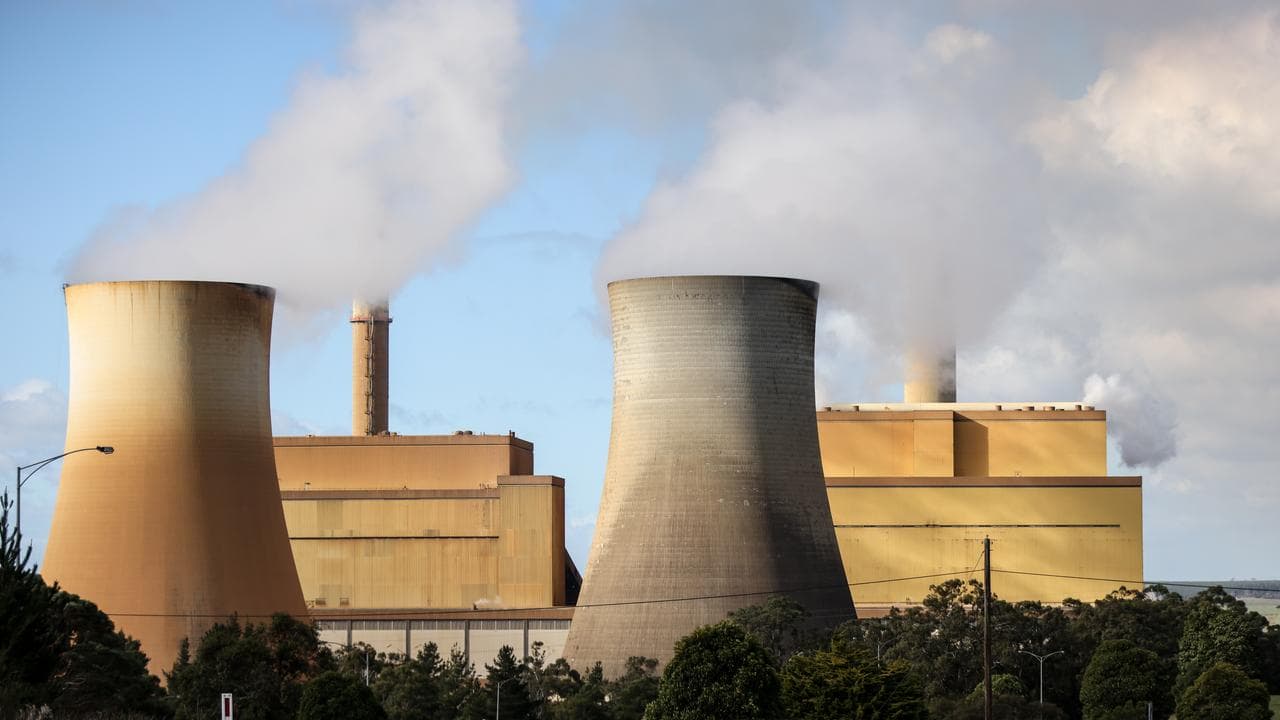
For every dollar of output in 2024, the commission calculated the electricity system required $10 of capital.
The economy-wide average, meanwhile, was just over $2 for every $1 of output.
The report acknowledged the decline in productivity was "foreseeable", citing significant spending required to replace ageing coal assets, improve system reliability and transition to cleaner energy.
"However, governments can still do more to help ensure we continue this transformation as productively as possible," it said.
"A disciplined policy focus will help to ensure investment flows to the least-cost energy systems and most efficient means of reducing emissions."


