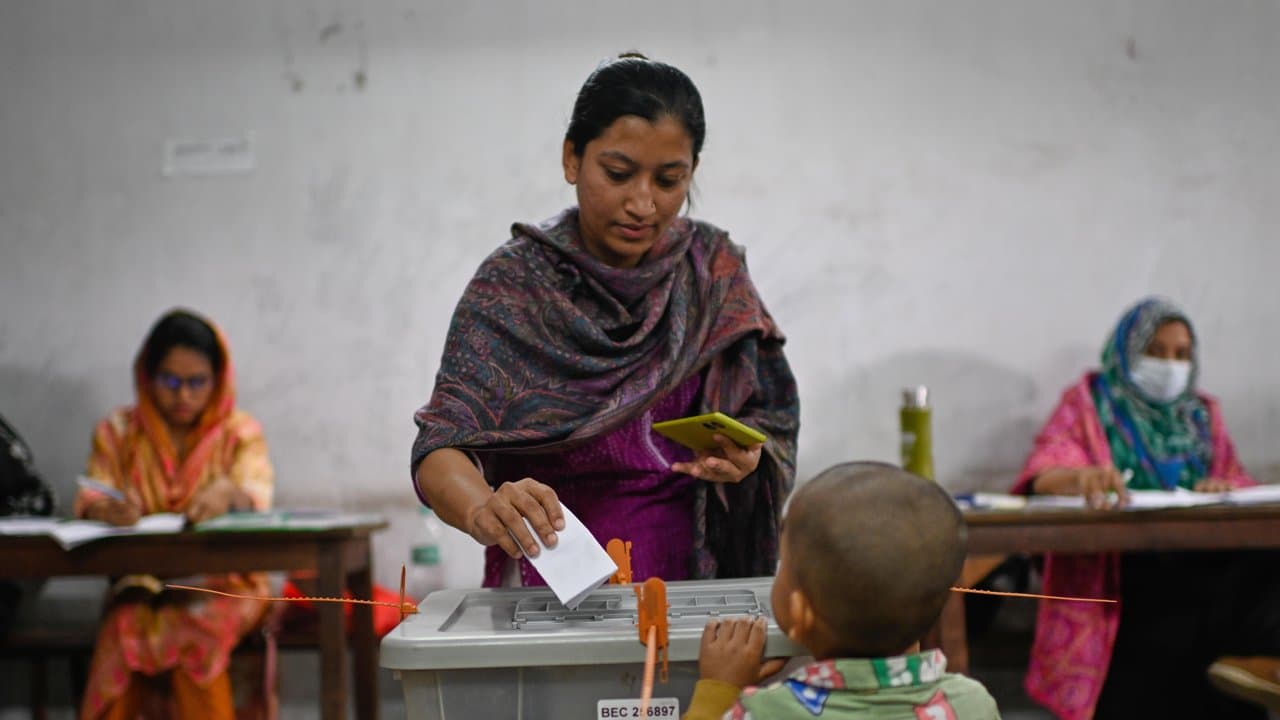
Counting has begun in Bangladesh's pivotal national election after tens of millions of people voted for a new government following the 2024 ouster of long-time premier Sheikh Hasina in a tumultuous Gen Z-driven uprising.
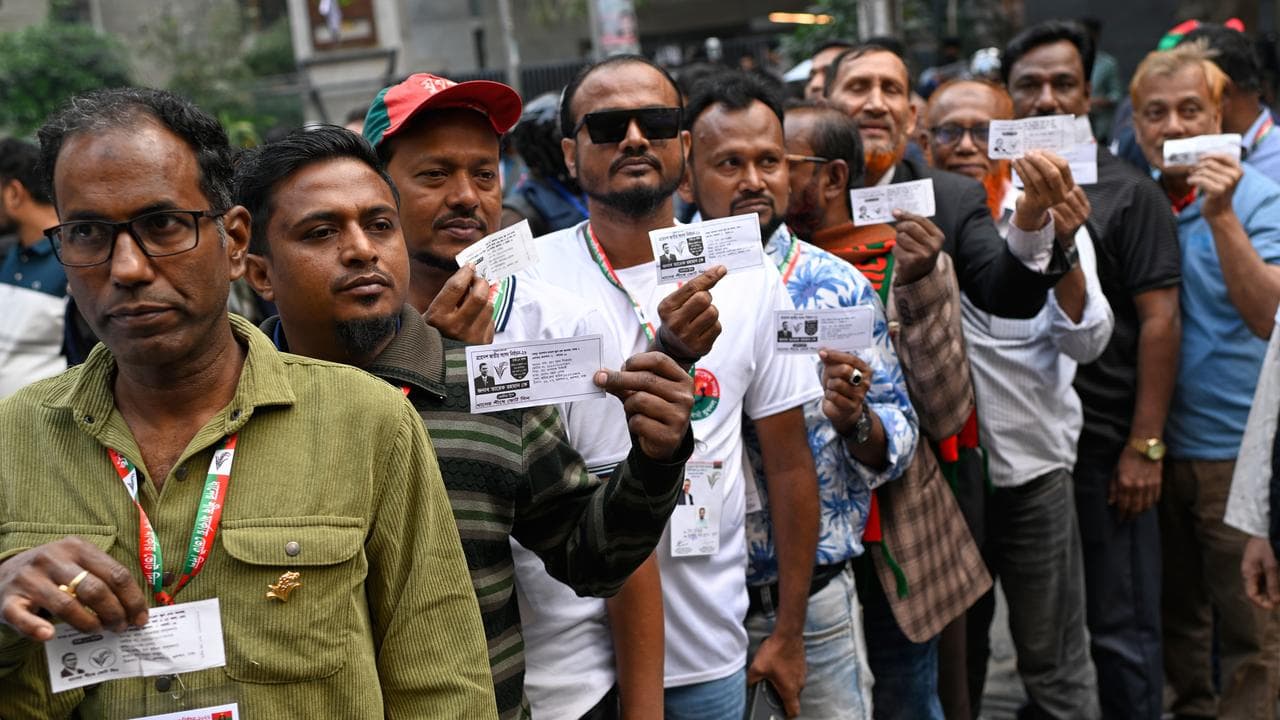
Although final figures were not immediately available on Thursday, Akhtar Ahmed, senior secretary of the Election Commission, told reporters that nearly half the electorate had voted at more than 36,00 of the 42,651 polling centres with two-and-a-half hours to go.
That is more than the entire 42 per cent turnout at the last election in 2024.
Analysts say a decisive result is crucial for steady governance in the nation of 175 million, as the deadly anti-Hasina protests triggered months of unrest and disrupted key industries, including the huge garments sector, the world's second-largest exporter.
It is the world's first election after an uprising led by under-30s, or Gen Z, to be followed by Nepal in March.
Counting has begun at most booths, immediately after polls closed with early trends expected about midnight and results likely to be clear by Friday morning.
The contest pits two coalitions led by former allies, the Bangladesh Nationalist Party (BNP) and the Islamist Jamaat-e-Islami, with opinion polls giving an edge to the BNP.
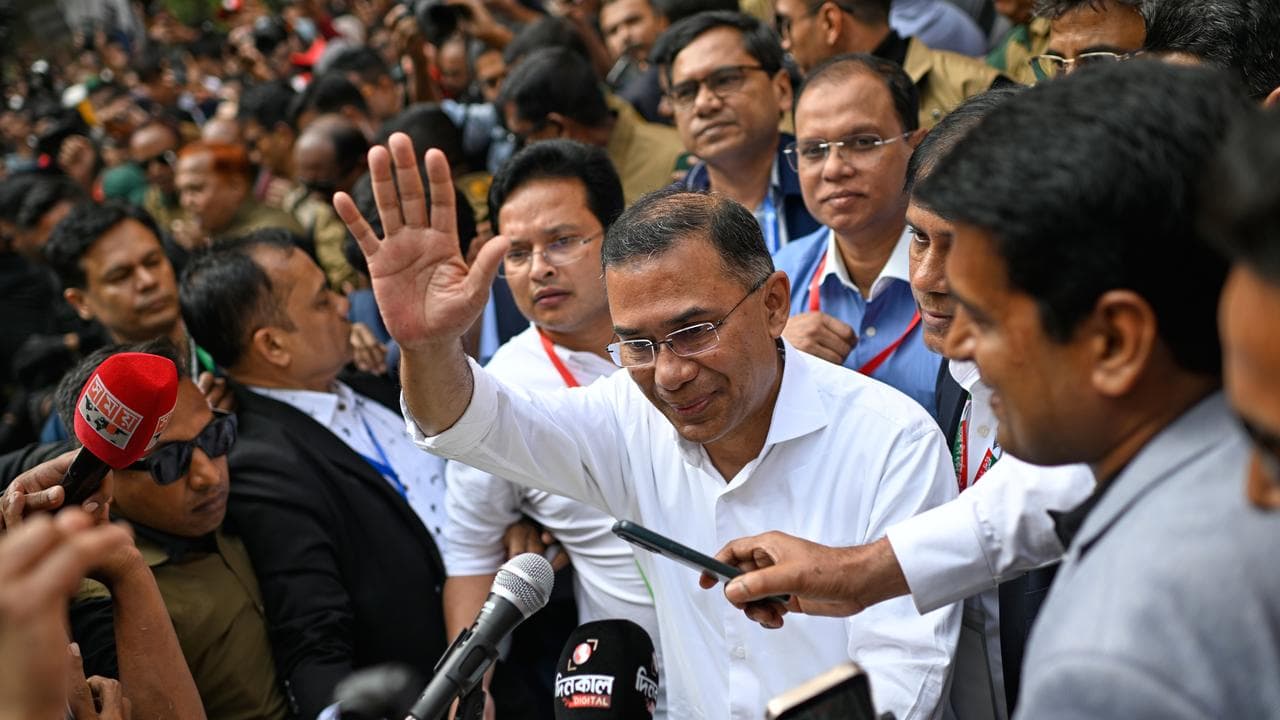
Both prime ministerial candidates - the BNP's Tarique Rahman and Jamaat chief Shafiqur Rahman said they were confident of winning. The two men are not related.
"I am confident of winning the election. There is enthusiasm among the people about the vote," Tarique Rahman told reporters, while Jamaat's Shafiqur Rahman called the election a "turning point" for Bangladesh and said the people were eager for change.
Hasina's Awami League is banned, and she remains in self-imposed exile in long-term ally India, opening the window for China to expand its influence in Bangladesh as Dhaka's ties with New Delhi deteriorate.
Elections were held during Hasina's tenure but they were marred by opposition boycotts and intimidation, critics have said.
Alongside the election, a referendum was held on a set of constitutional reforms, including establishing a neutral interim government for election periods, restructuring parliament into a bicameral legislature, increasing women's representation, strengthening judicial independence and imposing a two-term limit on the prime minister.
More than 2000 candidates, including many independents, are vying for 300 seats in the Jatiya Sangsad, or House of the Nation.
At least 50 parties are contesting in total, a national record.
About 958,000 personnel from the police, army and paramiltary forces were deployed throughout the country on election day, the Election Commission said.
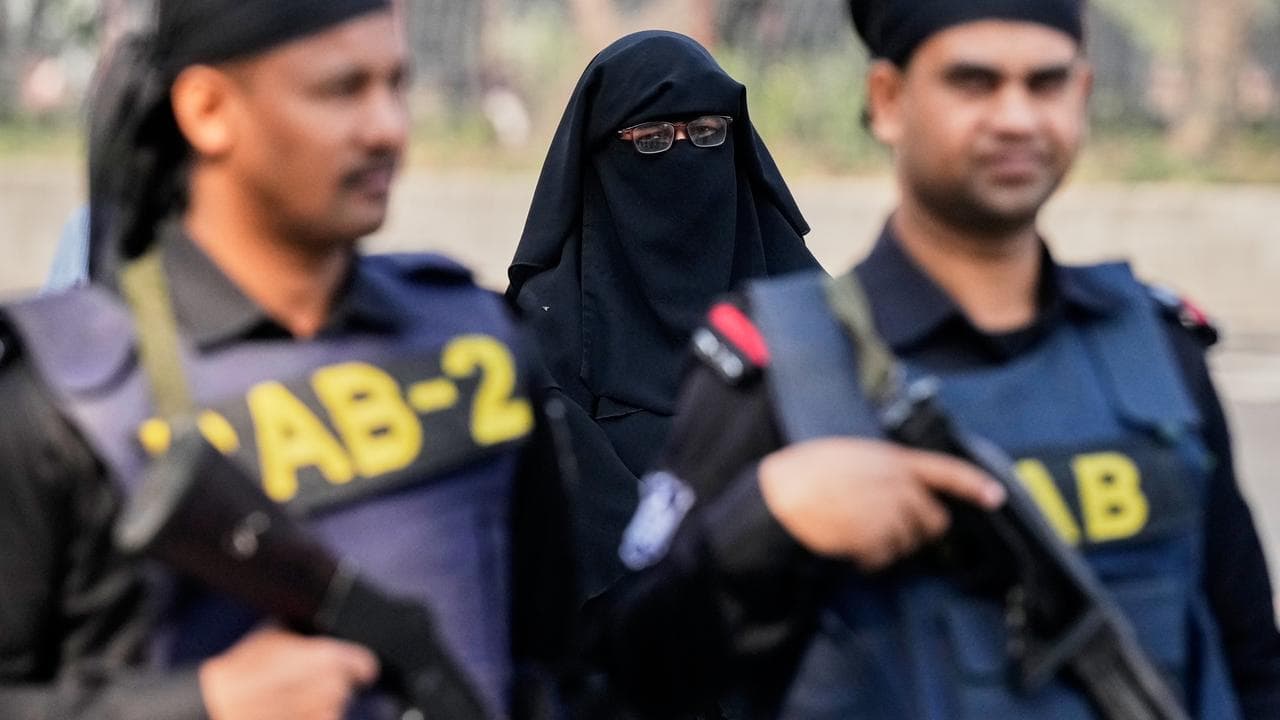
Police and army personnel were stationed outside most polling booths.
"I am feeling excited because we are voting in a free manner after 17 years," Mohammed Jobair Hossain, 39, said as he waited in line.
"Our votes will matter and have meaning."
Hossain's sentiment was echoed by many voters, who told Reuters that the atmosphere felt more free and festive than earlier elections.
Outside a polling booth in Dhaka where BNP chief Tarique Rahman and head of the interim government Muhammad Yunus voted, policemen were on horses with saddle blankets proclaiming: "Police are here, vote without fear."
"From today, we have the opportunity to build a new Bangladesh with every step we take. This is a festival, a day of joy, a day of liberation, the end of our nightmare. I congratulate you all," Yunus, who took over as interim head after Hasina, said after voting.


