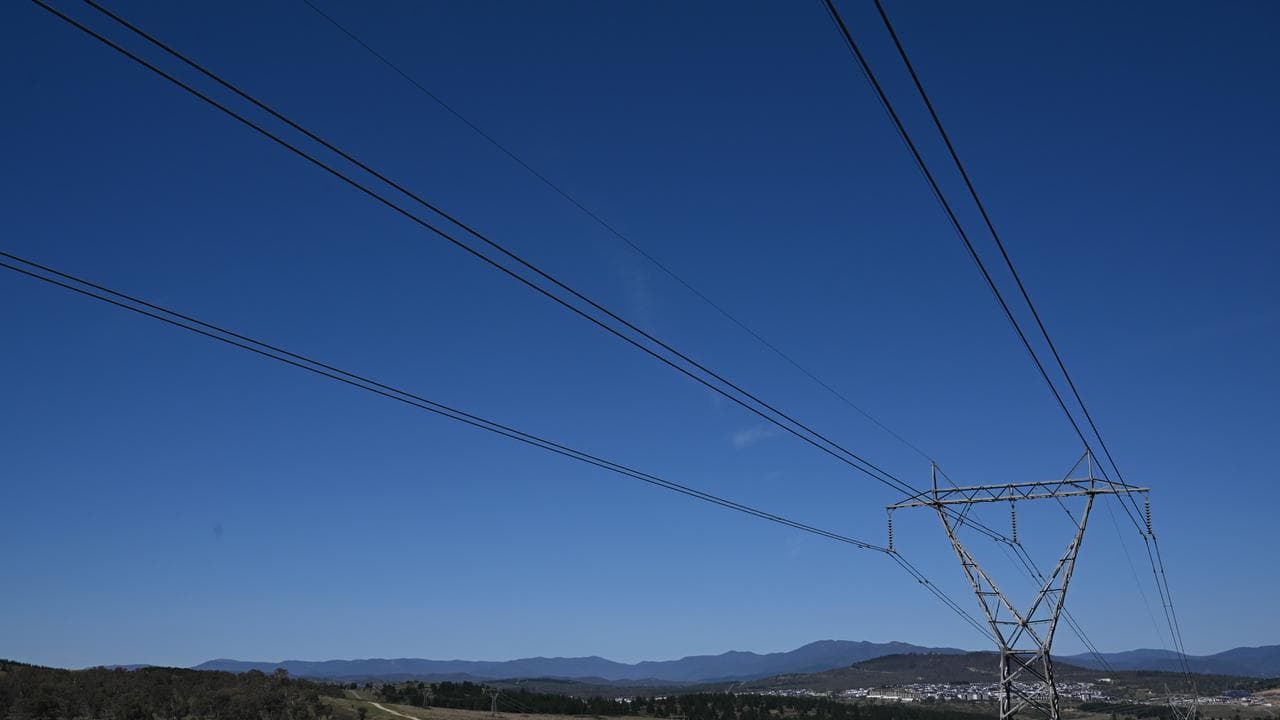
Australian household battery uptake has exceeded expectations and the storage explosion is already changing the economics of the transition for the better.
Yet if better co-ordinated to respond to the fluctuating demands of the main electricity grid, the energy market operator says the fast-growing fleet of rooftop solar and battery systems could lower the costs of the power transition even further.
Home battery uptake has surged since the federal government introduced a generous subsidy scheme roughly 12 months ago.
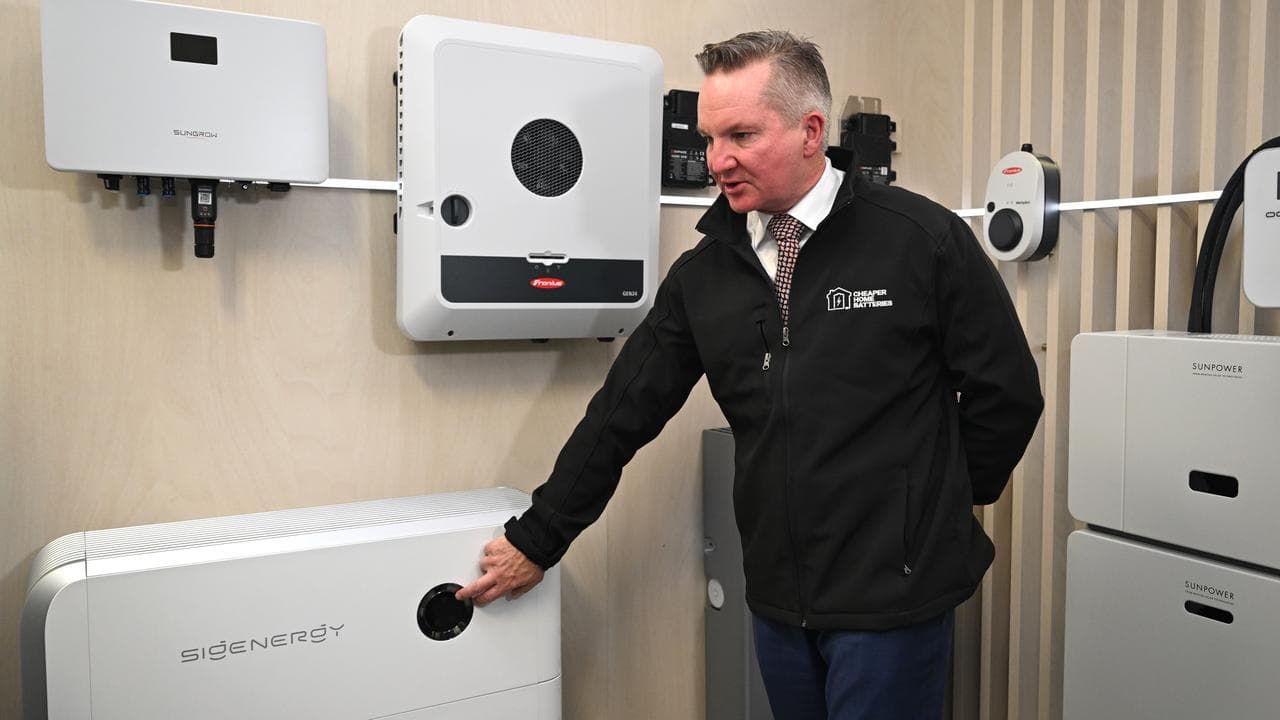
In the Australian Energy Market Operator's final version of the Integrated System Plan, forecasts for consumer investment in battery storage have been revised higher to 35 gigawatts by 2050, up from 27GW in the late-2025 draft.
More household solar and batteries are already taking some of the sting out of peak demand times, most notably in the evening.
If more of these systems took part in virtual power plants and other methods of co-ordinated energy flows, the market operator says the benefit to all electricity customers would be even bigger.
"It helps balance supply and demand across the grid, lowering the need for grid-scale investment," the ISP report said.
Under AEMO's optimal development path - the cheapest mix of technologies to keep the grid running smoothly while meeting climate policy goals - a boost in decentralised energy coordination could avoid up to $5 billion in extra spending on utility-scale storage.
Thursday's final ISP confirms solar and wind firmed by storage and backed by gas as the lowest-cost path forward for the grid serving eastern states to replace ageing, emissions-intensive coal stations.
Higher costs for wind and transmission and lower costs for solar and grid-scale batteries have been reflected in the 2026 update to the transition blueprint, with bigger contributions now expected from the latter.
The ISP was last revised in 2024.
“Over the forecast period, Australia’s ageing coal-fired power stations will close while electricity consumption is forecast to nearly double," AEMO chief executive Daniel Westerman said.
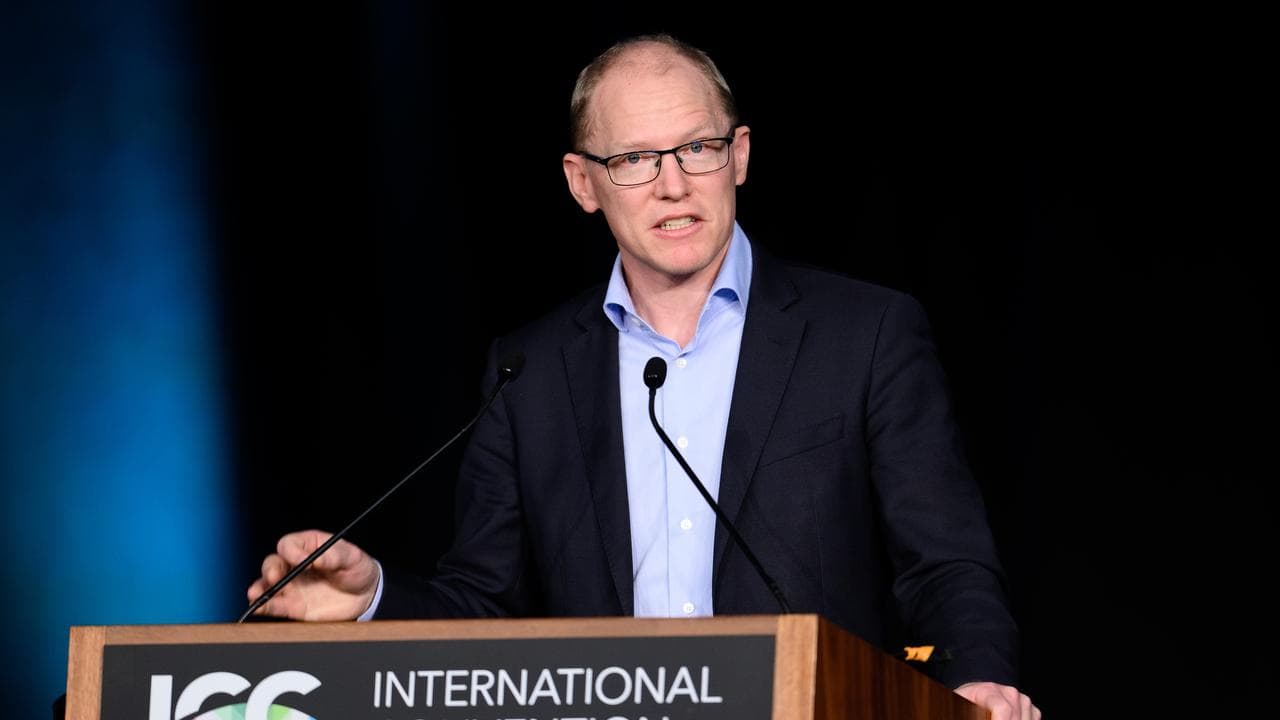
He stressed the need to deliver on transmission projects to transport electricity efficiently.
"Transmission is a relatively small share of overall system investment but delivers substantial benefits for consumers by unlocking lower-cost energy across the national electricity market."
RE-Alliance national director Andrew Bray said more needed to be done to bolster community support for all-important transmission projects, which had become controversial in some regions.
"While farmers being asked to host new transmission lines are paid, we’d like to see more states adopt neighbour payment schemes and community benefits to acknowledge the impact on the broader community.”


