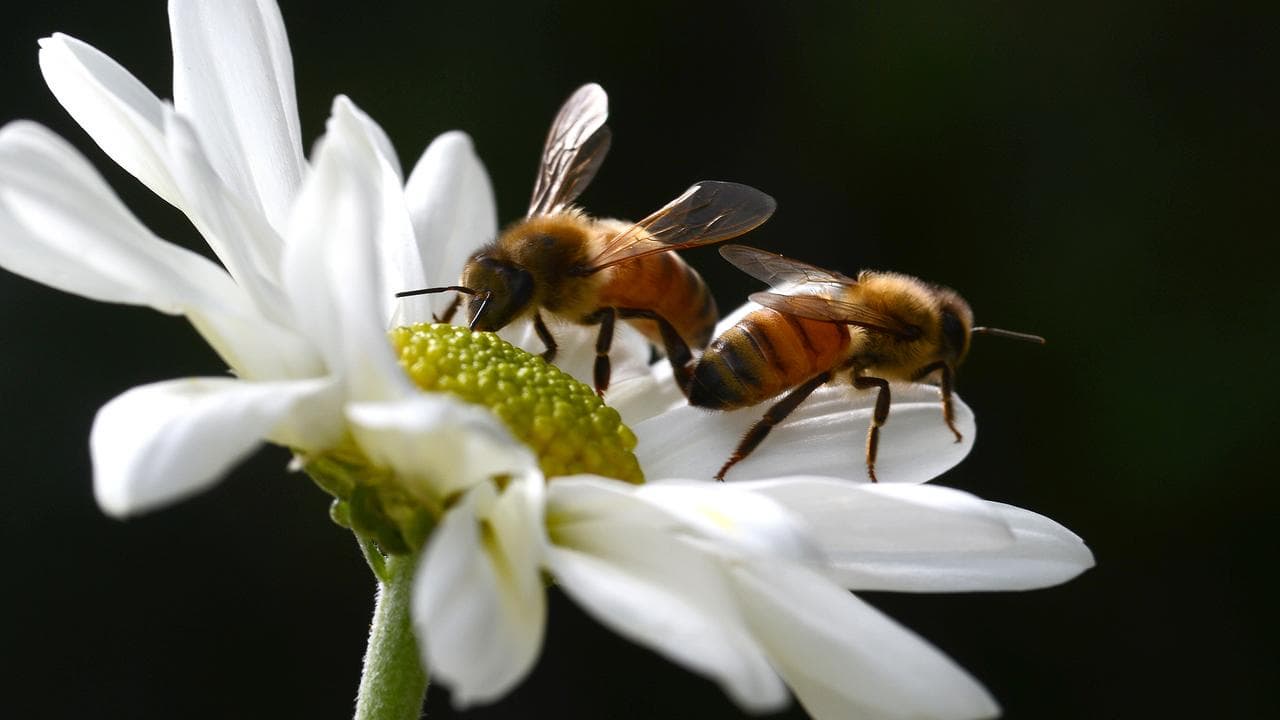
A second incursion of a bee-killing parasite has brought a more chemically-resistant wave of the pests, raising concerns over their impact on Australia's food security.
Bees play a crucial role in food production, with an estimated $12.9 billion of crops in Australia at least partially reliant on them for pollination.
Crops including almonds, avocados, apples, cherries, and berries are almost completely reliant on honey bees.
Varroa mite has devastated countless hives across Australia after first being detected in NSW in June 2022 and quickly spread across most states and territories.
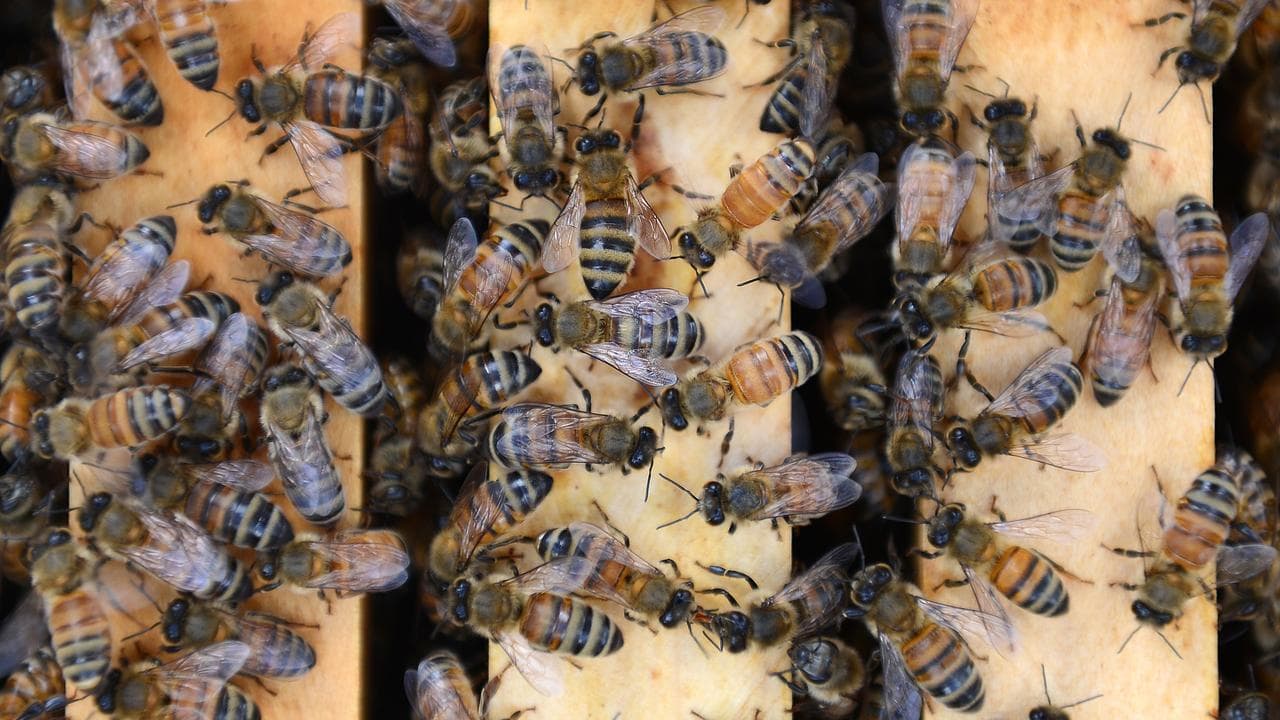
A second incursion of the mites which are resistant to synthetic chemical treatments, confirmed in April 2026, has renewed concerns there won't be enough bees to pollinate crops if the invaders aren't properly managed.
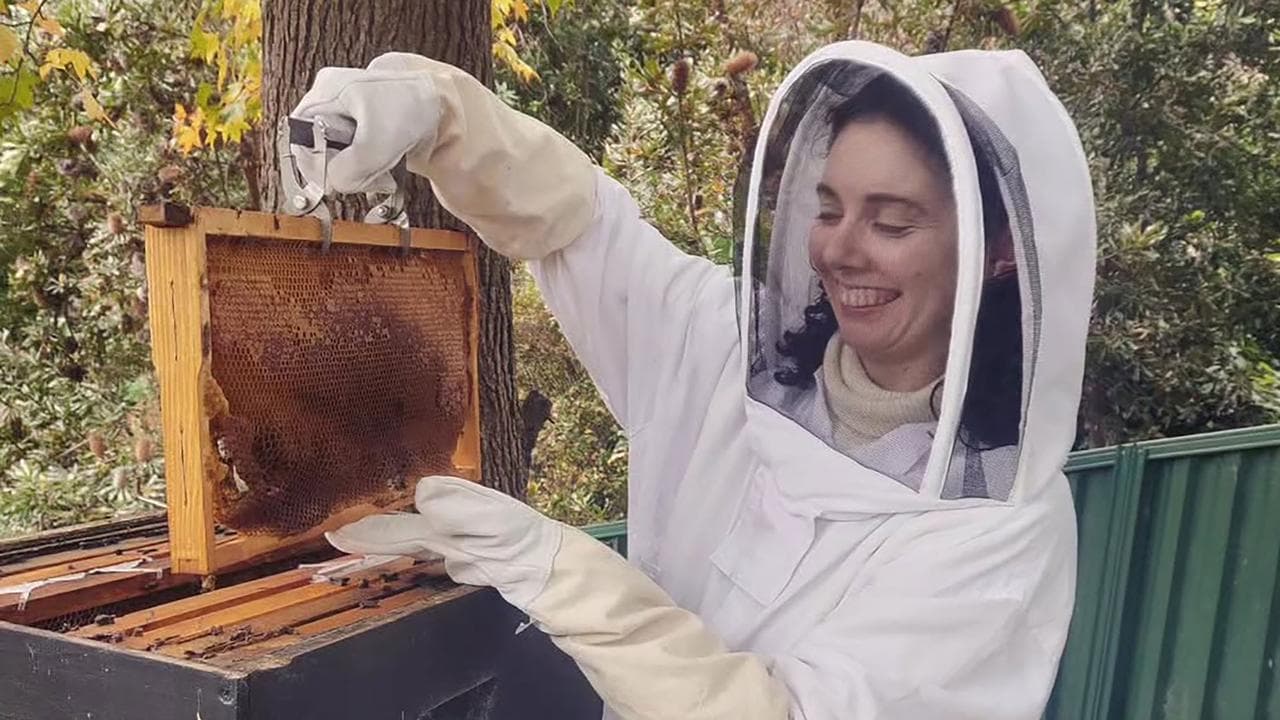
Apiarist and Australian National University PhD candidate Sara Bryant said the impact of Varroa across Australia's various bee populations and food production was far from predictable, but could easily be devastating.
"It's definitely a really scary time for beekeepers," she told AAP.
"But if you keep that story going, it's a scary time for pollination and a scary time for food security.
"It will affect everyone."
Industry modelling suggests Varroa could lead to losses of up to $1.25 billion across pollinator-reliant industries over the next 30 years without effective intervention.
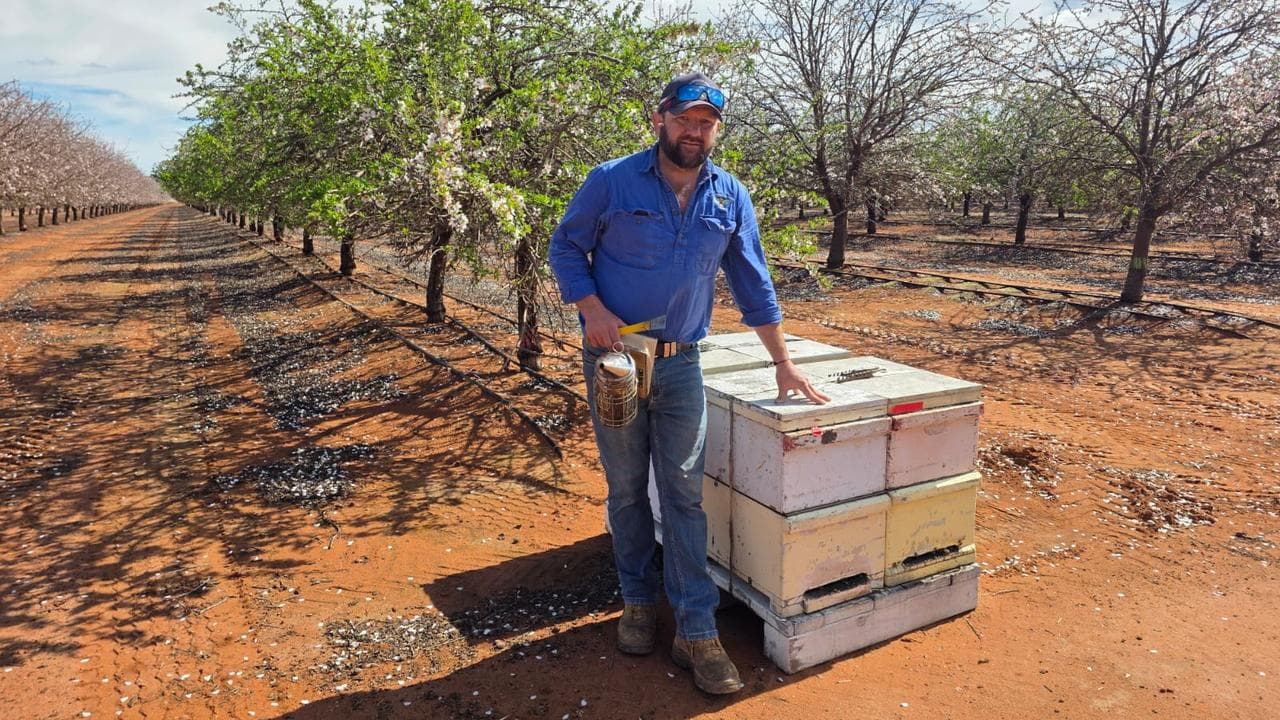
"One in three mouthfuls relies on honey bees for pollination of some sort," said NSW Apiarists' Association president Matt Skinner.
Dealing with Varroa, and the latest shift to organic treatments to combat resistance, had placed major financial burdens on beekeepers, Mr Skinner said.
He called for more financial support for beekeepers, as well as subsidised organic treatments.
"This second incurrence, we feel it's not being acknowledged for what it is and the impacts it's having on businesses," he said.
"People are suffering."
With a high number of beekeepers in his electorate of Page on the NSW north coast, federal Nationals MP Kevin Hogan recently urged parliament to take the issue more seriously.
"I'm on the ground with my local beekepers and they're telling me this is dire," he told AAP.
"I think people are aware, but I don't think they're concerned enough."

Giving hope to Ms Bryant - and the subject of her research - is that wild hives of European honey bees have demonstrated an ability to develop a genetic resistance to Varroa over time.
"Globally, when Varroa first arrives we see a massive drop off in feral hives, but then we do eventually see an uptick over around a five-year period as the population starts re-establishing," she said.
"There is something happening in their genetics that is allowing them to survive, and if we can unlock what that is, that has amazing potential for the future of agriculture."


