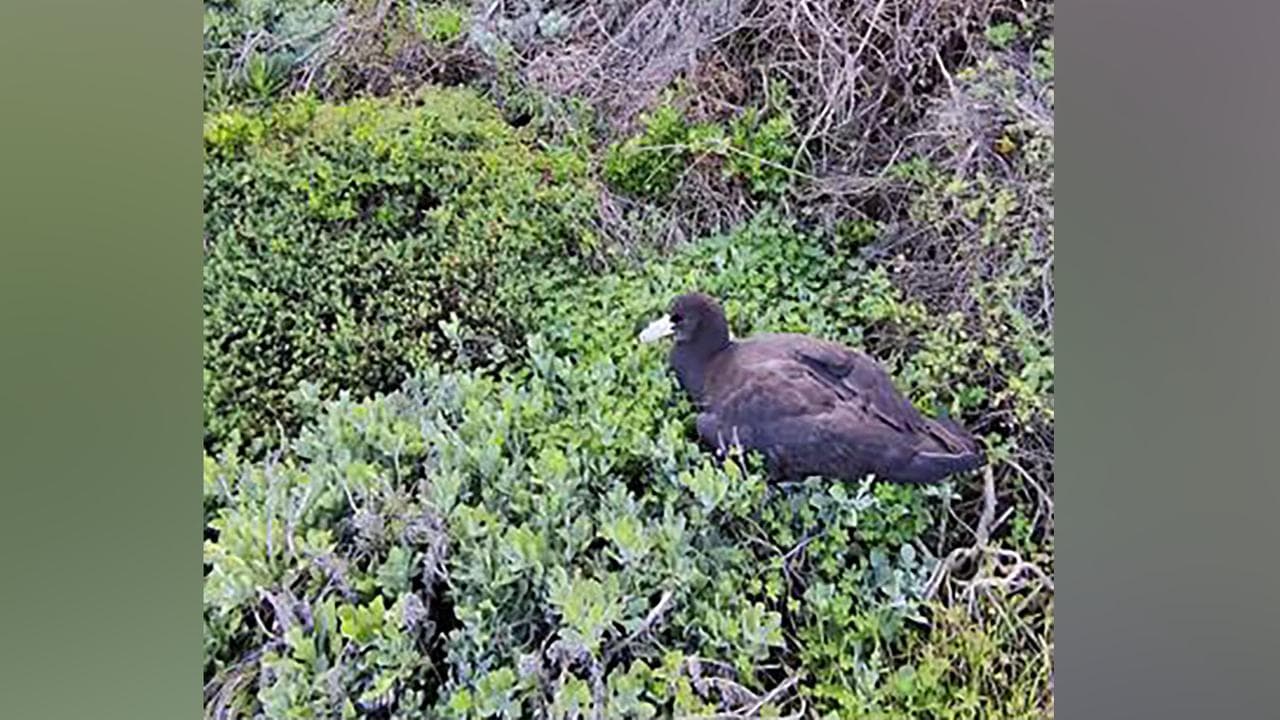
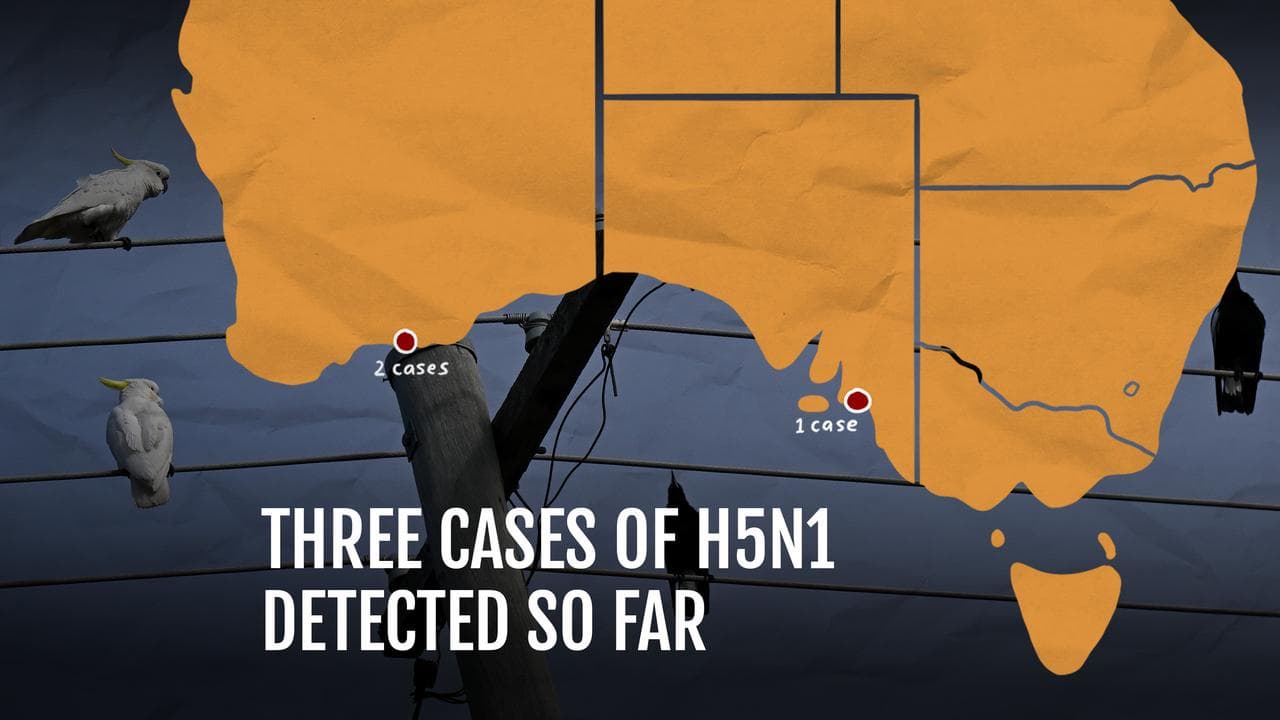
Cases of a new strain of bird flu were always expected to reach Australia's shores at some point, with the disease now detected across two states.
A South Australian wildlife rescue centre where a migratory bird tested positive for H5N1 bird flu remained in lockdown as of Thursday.
It comes after the nation's first two confirmed cases were reported near Esperance in Western Australia.
WA Premier Roger Cook said there was always an expectation the strain would arrive in Australia at some point but the country had an advantage in detecting the initial cases relatively early.
"In other countries, it's got into their poultry industry before they even knew it was their area - so the fact that we've got these early lines of sight is really important," he told reporters on Thursday.
"We're doing a lot of work with the industry at the moment around what they need to prepare themselves for and how they need to respond."
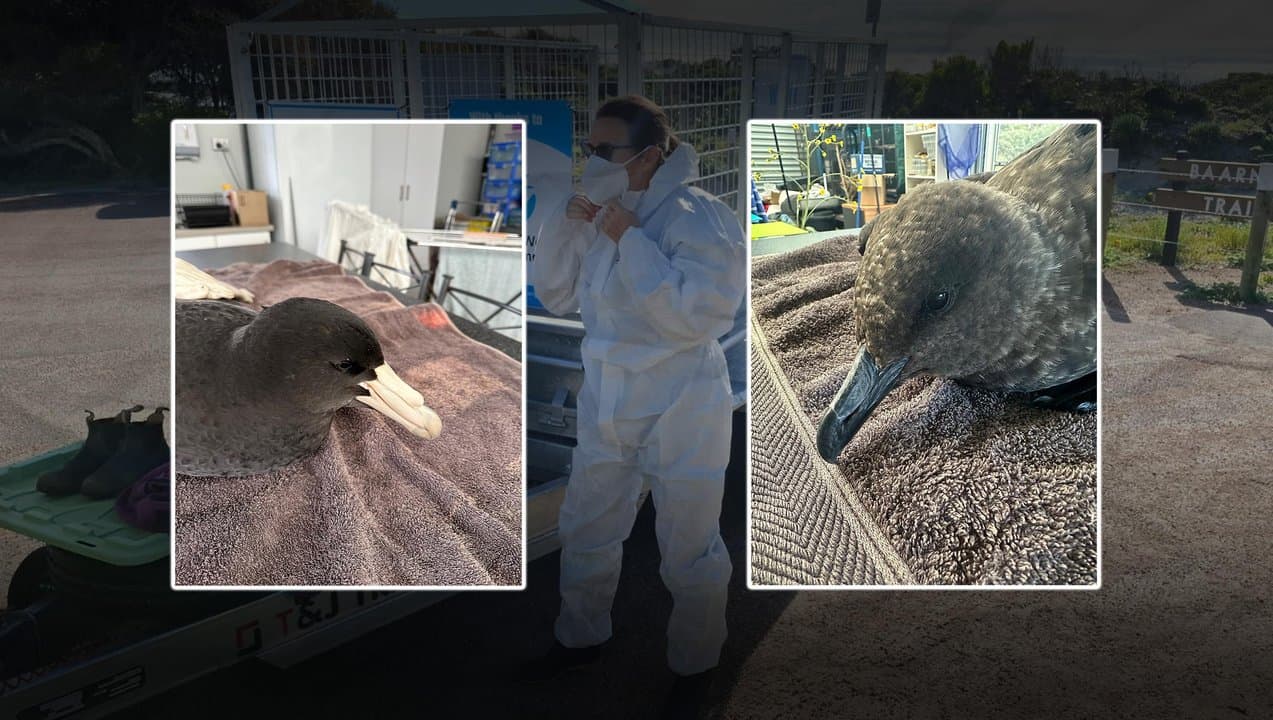
Volunteers from the Wildlife Welfare Organisation SA collected the first bird to test positive in that state from Knights Beach, roughly 80km south of Adelaide, on June 14.
Rescue centre manager Justin Biddle said the team decided to send samples for testing after being alerted to the positive cases in Esperance.
"It otherwise looked pretty fit and healthy and it was actually doing quite well in care," he told AAP.
Mr Biddle said there had been no noticeable increase in unwell birds beyond what the organisation generally expected, but more cases appeared inevitable.
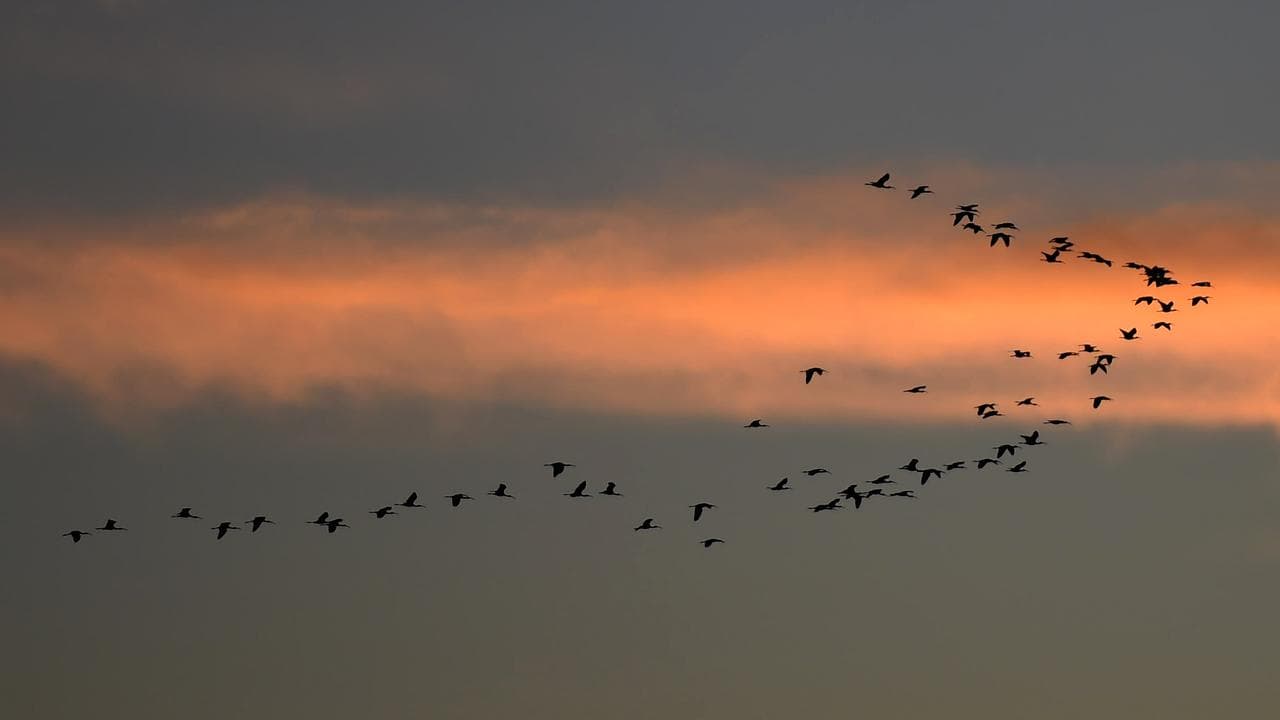
"We can't stop migratory birds from entering Australia - which is who's going to be carrying it - and it's this time of year where the migratory Antarctic birds start hitting the southern coastline of Australia," he said.
Scientists warn the threat of a slew of wild birds becoming infected is "more when than if".
"It may not spread in this winter, but it could come from shorebirds ... in the next summer," BirdLife Australia president Hugh Possingham said on Thursday.
"It'll probably get here eventually ... that's unavoidable.
"The way migratory birds are coming to this continent from other continents and other places - something is going to happen."
There was currently no threat to humans, federal Agriculture Minister Julie Collins confirmed.
"Chicken meat and eggs, as prepared normally, are perfectly safe to eat," she said.
WA authorities have received almost 200 reports of sick birds since the first suspected case.
Authorities confirmed on Wednesday another case of the strain had been detected in a southern giant petrel at Quindalup on the South West coast, north of Margaret River.
The preliminary positive result has yet to be officially confirmed and a sample has been sent for further testing.
Ground-based surveillance and drone surveys are being conducted at sea lion breeding sites along the South Australian coast, with testing frequency increased in high-risk areas.
A temporary ban on all poultry products imported from Australia, imposed by Papua New Guinea's National Agriculture and Quarantine Inspection Authority on Monday, has been lifted.


