What was claimed
Labor introduced minimum holding stocks for fuel, work that was not done by the previous coalition government.
Our verdict
Misleading. The coalition legislated in 2021 for a domestic fuel reserve before Labor implemented the scheme in 2023.
AAP FACTCHECK - The Labor government is claiming it introduced Australia's domestic fuel reserve after the coalition failed to do so when in power.
This is misleading. The Albanese government implemented the minimum fuel reserve rules in 2023, but the legislation underpinning the scheme was passed in 2021 by the previous coalition government.
Draft regulations to introduce the scheme were released for public consultation by the coalition before the 2022 election.
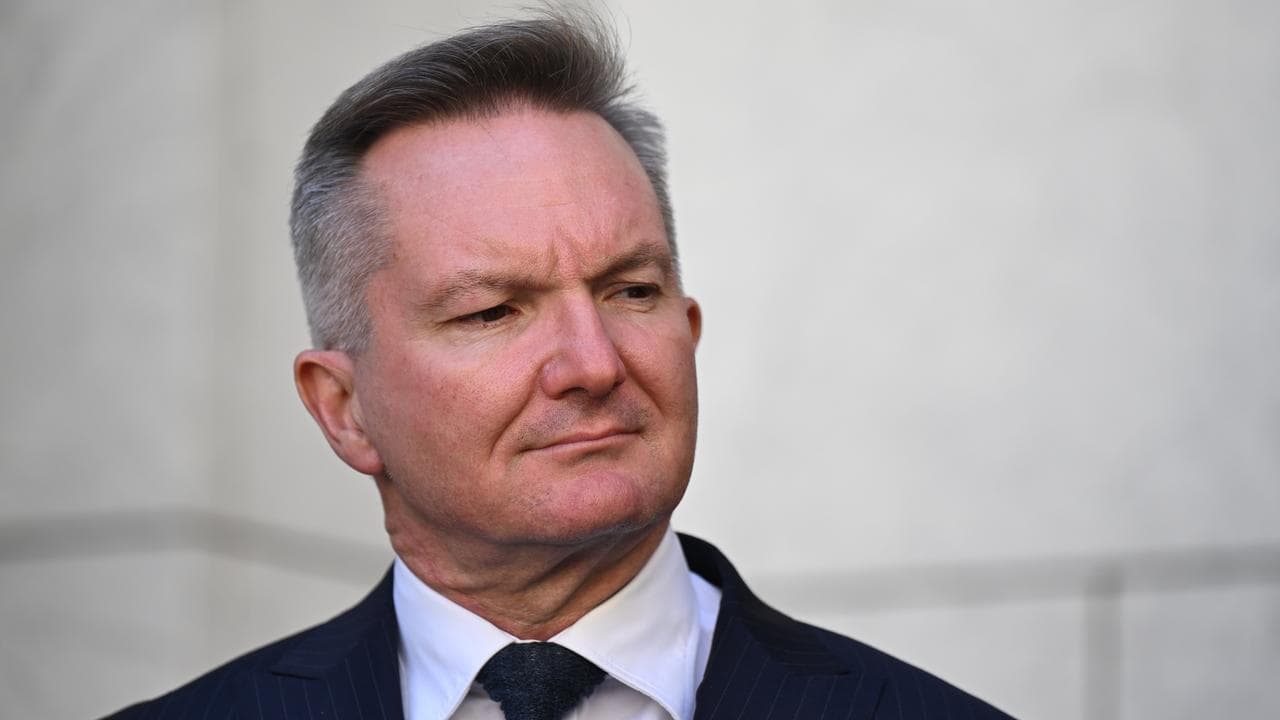
Energy Minister Chris Bowen made the claim in parliament on March 2 in answer to a question about what action the government had taken to secure domestic fuel supplies amid the outbreak of war in Iran.
"We introduced minimum holding stocks," Mr Bowen said.
"This was work that was not conducted by the previous government."
He made a similar claim during an interview with ABC's 7:30 program on March 15. On this occasion, he acknowledged that the coalition passed the foundational bill after he was prompted by the interviewer.
"I signed the regulation to bring it in," he said in the 7.30 interview.
"The previous government didn't do that. It was passed... as bipartisan legislation, but it had not been implemented until we came to office."
When asked for evidence supporting his claim, Mr Bowen's office told AAP FactCheck that he signed off on the rules in November 2022.
A spokesperson for the minister said there were 10 months between the coalition passing legislation that enabled the minimum fuel reserves and the election, when they could have introduced detailed rules but did not.
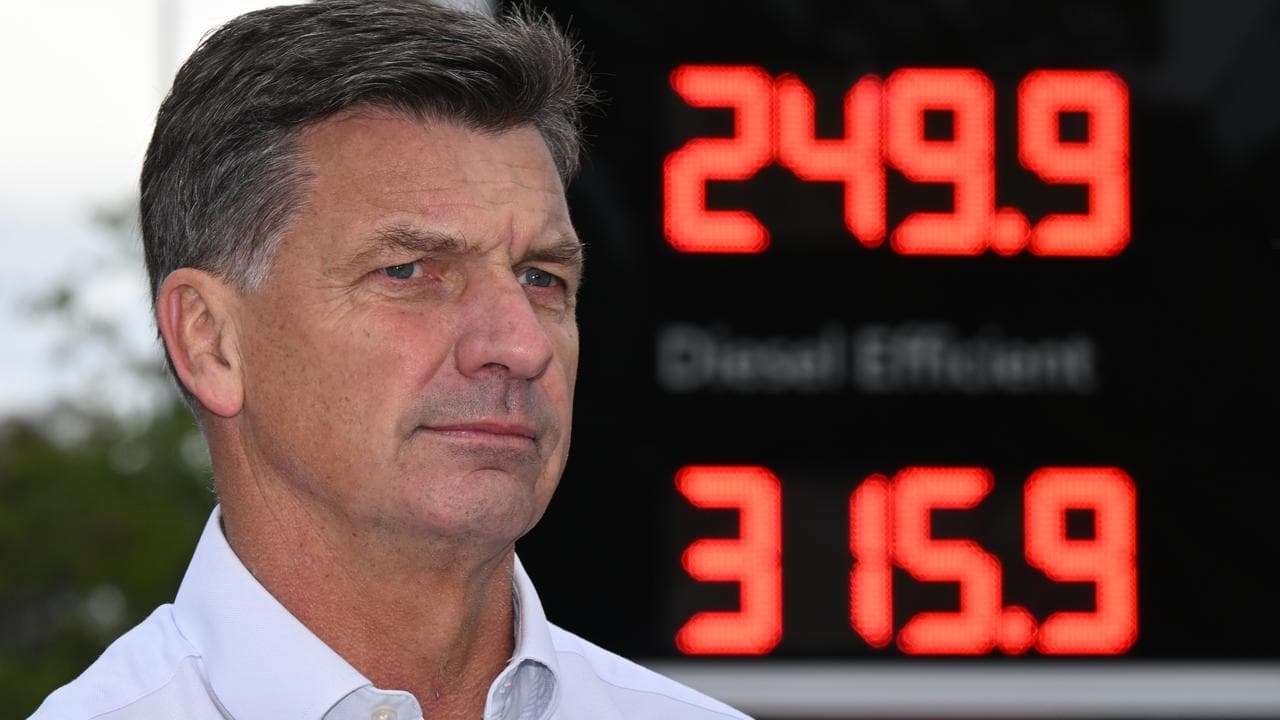
Coalition leader Angus Taylor introduced the Fuel Security Bill while he was energy minister under the previous Morrison government, and the bill passed into law in June 2021.
The bill’s explanatory memorandum said the purpose of the legislation was two-fold (p3).
Firstly, it enabled payments to refineries "in return for a commitment to continue refining until at least 30 June 2027, and secondly, it established a minimum stockholding obligation (MSO) to ensure domestic transport fuel suppliers held "a baseline level of stocks at all times".
The explanatory memorandum said subsequent ministerial rules would determine key details of the MSO, including which entities were covered and the required reserve amounts (p25).
The explanatory memorandum also said MSO rules would be made "following industry consultation" (p26) and would not start before July 1, 2022 (p3).
The Morrison government then began work on a draft of the rules, which were published in January 2022 with a consultation period ending on February 28, 2022.
This draft outlined key parts of the fuel reserve, including how much fuel must be held by companies (p8).
The coalition lost power in May 2022, and the Albanese government pushed ahead with the rules.
Additional provisions were added, such as a requirement for the government to monitor secondary markets (Part 11). The rules were signed off in November 2022, to be implemented the following July.
Mr Bowen announced the detailed rules in a media release dated November 11, 2022.
The media release included an acknowledgement that the MSO was being developed before Labor came to power in mid-2022.
It said: "The arrangements were developed in close consultation with industry after the passage of the Fuel Security Act in June 2021, including public exposure drafts released in January 2022."
Grattan Institute energy program director Tony Wood said both major parties played a role in introducing the domestic fuel reserves.
"The legislation was introduced under Morrison, but it didn't formally begin until July 2023, under the Albanese government," Mr Wood told AAP FactCheck.
Samantha Hepburn, an expert in energy law at Deakin University, said the MSO were set out in the 2021 Fuel Security Act, which established the scheme but "did not actually impose stock levels".
"The Albanese government set the stock levels in the Fuel Security (Minimum Stockholding Obligation) Rules 2022," Professor Hepburn told AAP FactCheck.
AAP FactCheck is an accredited member of the International Fact-Checking Network. To keep up with our latest fact checks, follow us on Facebook, Instagram, Threads, X, BlueSky, TikTok and YouTube.


