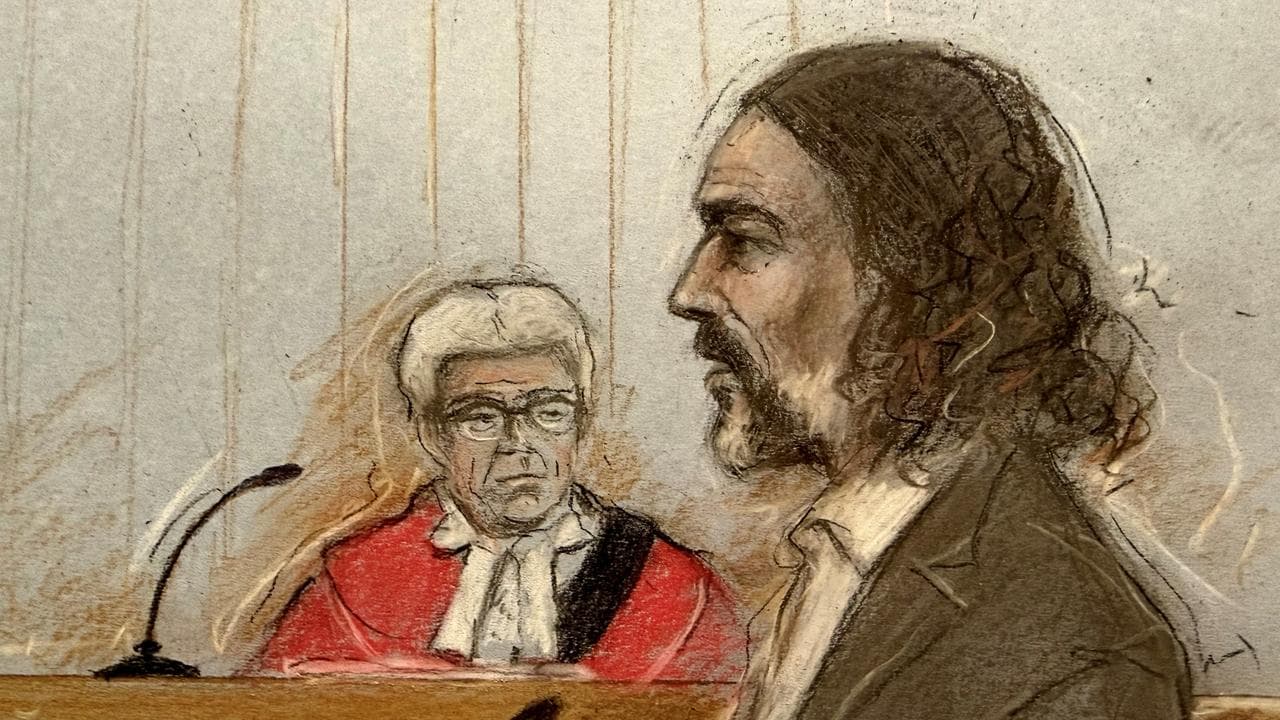
Comedian and actor Russell Brand, on trial for a string of alleged historical sex offences, has told a court consent was non-negotiable as he rejected allegations which he said had had a "devastating" effect on his life.
Prosecutors, however, accused him of tailoring his testimony to fit the evidence in the trial.
Brand, once a regular figure on British television and star of a number of Hollywood movies, was giving evidence at London's Southwark Crown Court where he is accused of three counts of rape, three of sexual assault and an attempted indecent assault involving six women between 1999 and 2009.
The 51-year-old former husband of US singer Katy Perry denies all the allegations.
Appearing in the witness box in the third week of his trial, Brand said "no" loudly and clearly when his lawyer asked him if he had committed any of the alleged crimes.
The jury has previously been told how all the complainants came forward to detectives after a documentary was broadcast in 2023 along with a number of newspaper articles in which anonymous allegations were made by other women who are not involved in the trial.
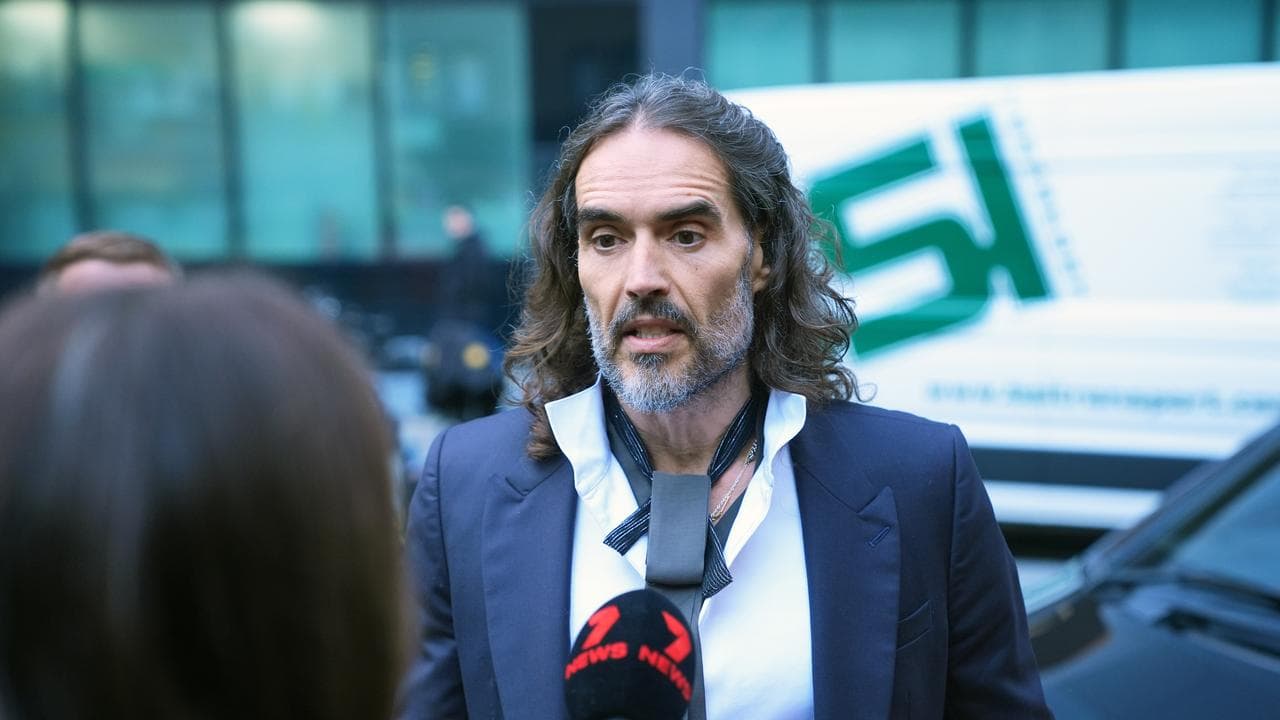
Brand, wearing a black suit with an open-neck white shirt and a loose black tie, said the impact had been "devastating" and not a single person would give evidence on his behalf.
Asked by his lawyer Ian Winter if his friends would "touch you with a bargepole", he replied: "No."
Brand, who said his 14-month marriage to Katy Perry in 2010 had brought him "staggering fame," said he had even been barred by a hospital from staying with his son after he had had open heart surgery.
Prosecutors say Brand raped a woman after meeting her at a fringe event at the Labour party conference in 1999, forced a woman to give him oral sex in toilets at a London bar in 2004 and molested another woman at a radio station in 2004 or 2005.
He is also accused of trying to pull a woman into the male toilets at MTV Europe in London, where she was working in 2001, and that in 2009 he anally raped a woman who had agreed to consensual sex at his home.
The final allegation is that he assaulted a woman who was working at the Channel 4 TV station where they were involved in a recording project.
Asked by Winter in turn about the allegations, Brand said the first complainant had willingly had sex with him.
"Consent is fundamental, essential, necessary and indeed more important than sex itself," he said.
While he said he did not remember incidents involving three of the complainants, he said he did recall the incident in the London bar where he said the woman had freely gone to the toilets with him but they had not had oral sex.
Brand also said he remembered the other rape complainant, because the woman had been so sexually forward when he first encountered her in his dressing room.
He rejected her account of the later alleged rape in his home, saying she had consented to anal sex.
Prosecutor Riel Karmy-Jones queried why he had told police in four interviews between 2023 and 2025 that he had not previously been able to recall any of the women or the incidents.
"Were you waiting to see all that evidence before you gave your account?" she said to him.
He replied he had been doing his best to recall at the time.
The judge told jurors at the end of Wednesday that they are likely to start considering their verdicts on Tuesday next week.
The trial continues.
with PA


