
Diminishing value for the ballooning cost of a university degree could prove a windfall for the construction industry as it's hoped more young people are steered towards in-demand trades, a Senate hearing has been told.
Industry peak bodies fronted a parliamentary inquiry on Monday to discuss how to make it easier for young people to enter the housing market.
Tackling chronic worker shortages to help increase housing supply was chief among the builders' concerns.
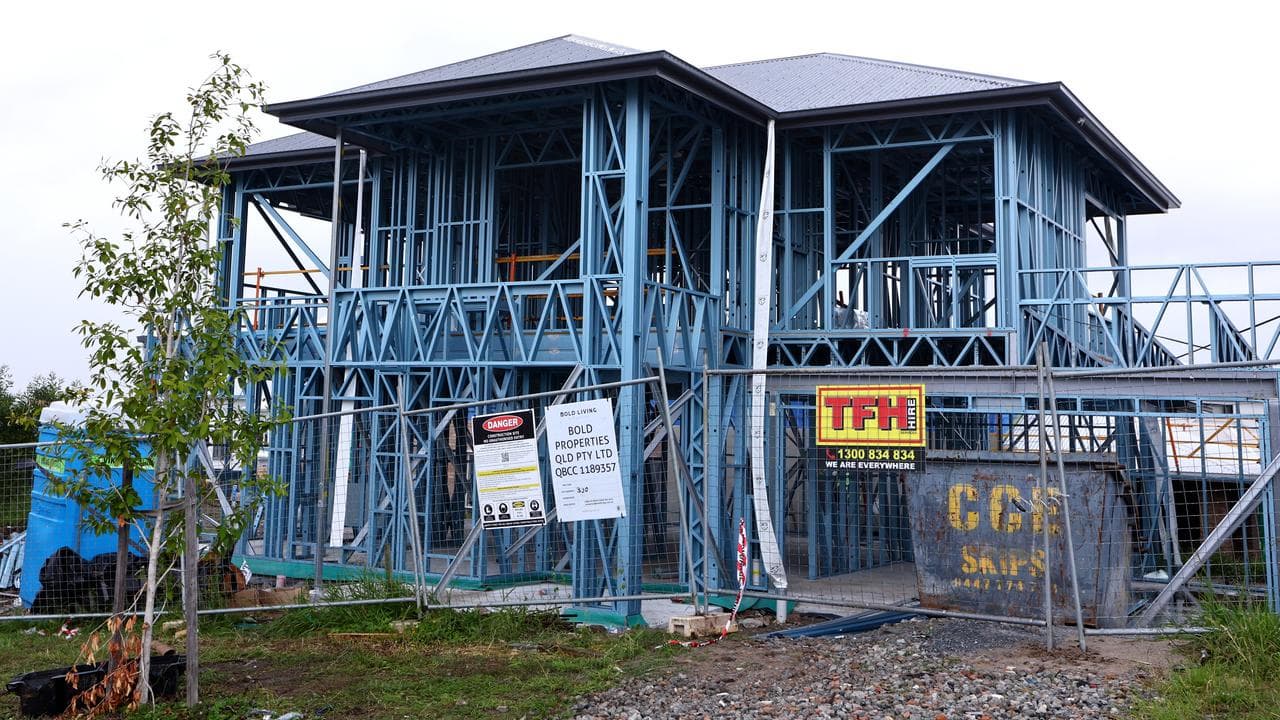
An additional 83,000 skilled trades workers were needed to meet the National Housing Accord's target of 1.2 million homes in five years, according to the Housing Industry Association.
Master Builder's Australia national director Darren Disney put that gap even higher at 116,000.
The peak body's chief economist Shane Garrett said the perception better jobs were only available via university historically kept young people out of apprenticeships, but that idea was being dismantled.
"The penny is beginning to drop a little bit on that one," he said.
"For some university degrees, the financial return ... isn't really that good, and I think that has counted against apprenticeships in recent years but we'll be hopeful that it's a perception that can be reversed."
The number of people starting trade apprenticeships in the three months to September 2025 rose by 18 per cent, the biggest jump being in the construction sector, according to the National Centre for Vocational Education Research.

Skilled migrants also needed a better streamlined path to enter the workforce, the peak bodies said.
"We have people in other countries who are willing to work in our industry and make a really positive difference, but the challenges of actually getting them into the country ... it's time-consuming, it's lots of paperwork, and it's financially expensive as well," Mr Garrett said.
Addressing intergenerational inequity was a core goal of the 2026 federal budget, which pared back tax concessions for property investors to soften demand and help more young people into the housing market.
Figures released by ANZ on Monday forecast house prices in capital cities would fall 2.1 per cent in 2026 and 3.3 per cent in 2027, after it predicted they would grow before the budget measures were announced.
But that was more down to investors being spooked by the war in the Middle East and interest rate hikes, it opined.
"Modelling suggests the long-term impact of the (tax changes) is likely to be relatively modest. But in the near term, the confidence impact seems to have dominated," ANZ said in its report.


