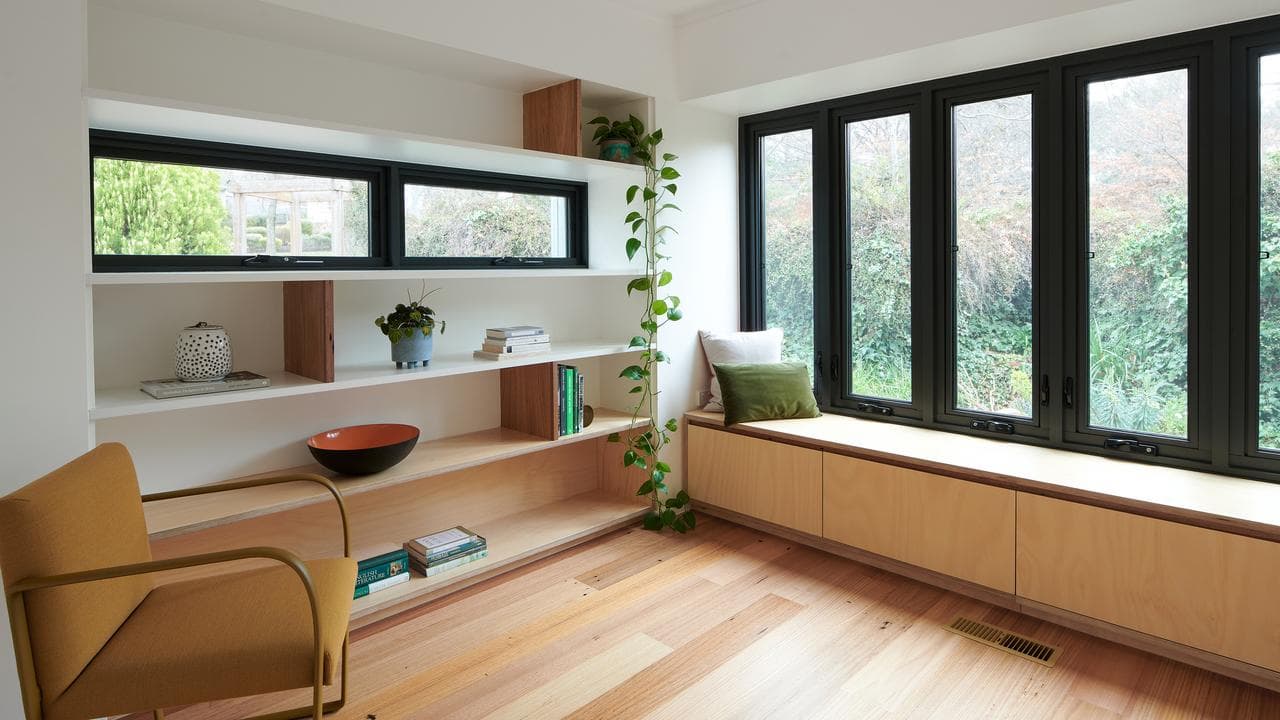
Net-zero homes are already being built in Australia, and more could slash their carbon footprints through smarter design, better materials and renovations instead of rebuilding.
The Australian Institute of Architects released its Zero Carbon Housing Challenge findings on Saturday in a report analysing the environmental impact of more than 330 homes.
Many of the carbon-cutting innovations were affordable and mainstream, researchers said, and the techniques should be used in the next million homes built under Australia's National Housing Accord.
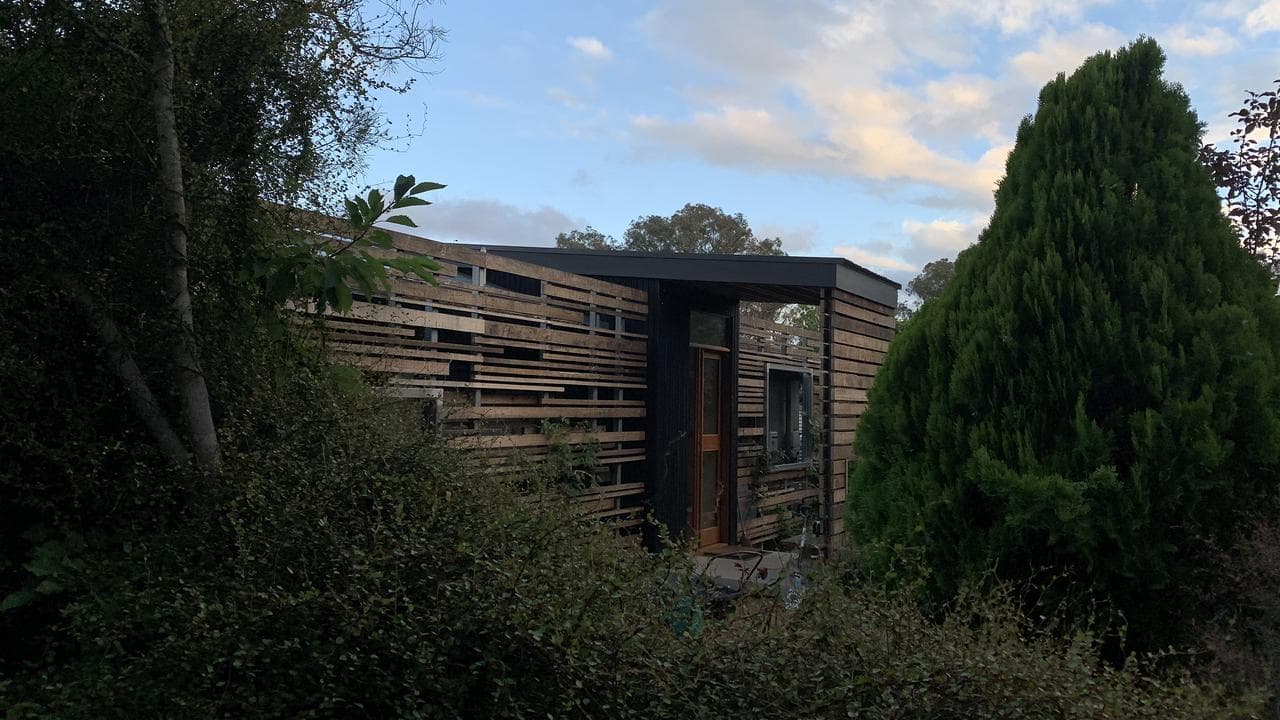
The report analysed the lifetime carbon impact of 30 new single homes, 260 multiple homes, and 48 architect-designed alterations and additions, and estimated emissions from construction.
Across all homes, changes in design, energy efficiency and materials cut carbon emissions by 85,000 tonnes over their lifetimes, equivalent to planting more than half a million trees.
New single homes were most likely to achieve a net-zero or net-positive footprint, the report found, due to better energy efficiency and greater rooftop solar capacity.
But multiple homes, such as townhouses, could cut lifetime carbon emissions by more than 60 per cent on average through energy efficiency, compact designs and greater use of prefabricated building materials.
A townhouse project at Ginninderry, Canberra, cut its up-front carbon emissions by more than half and reduced lifetime emissions by 70 per cent, the report said, by using lightweight panels assembled in a factory.
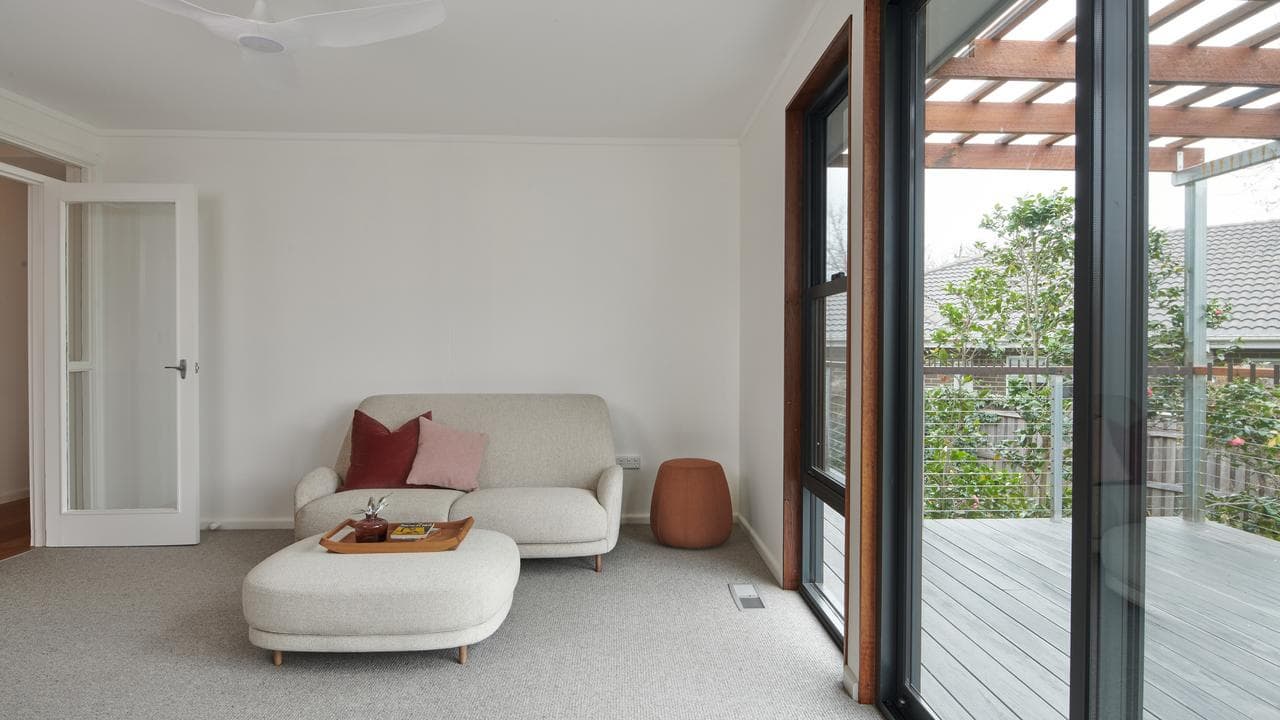
The zero-carbon challenge had become a passion project for many in the industry, Australian Institute of Architects former national president Melinda Dodson said, and the results proved they were making progress.
“The really strong message we’d like to come out of this initiative is that the examples already exist,” she told AAP.
“This is not a hypothetical or theoretical exercise - these are real projects.”
The report found renovating existing homes delivered some of the strongest carbon savings, cutting their lifetime carbon emissions by more than 90 per cent on average.
This was achieved by retaining structures such as foundations and roofs, reusing materials and adding solar panels and more ventilation.
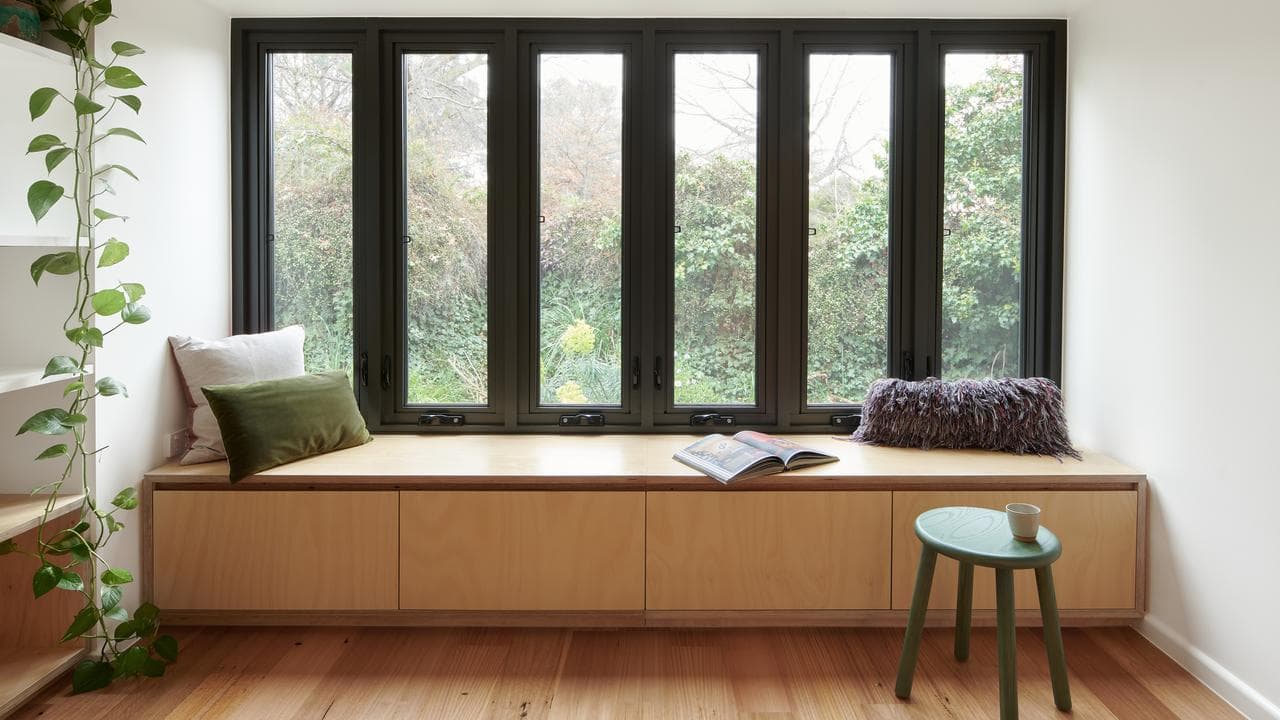
Architects redesigning a 1960s Canberra home called the Secret Garden House, for example, improved its lifetime emissions to 30 per cent better than net zero by improving insulation and sealing, adding solar panels and using natural ventilation and light.
The real-world examples proved low-carbon housing could be achieved affordably, Dr Dodson said, and the approaches should be adopted more widely to achieve Australia’s housing goals.
“We know there have been headwinds post-COVID and shortages of tradespeople and so on but we would like to see decarbonisation to those million homes that are being built as part of the National Housing Accord,” she said.
Federal, state and territory governments have committed to building 1.2 million new homes between 2024 and 2029, backed by $3.5 billion in funding.


