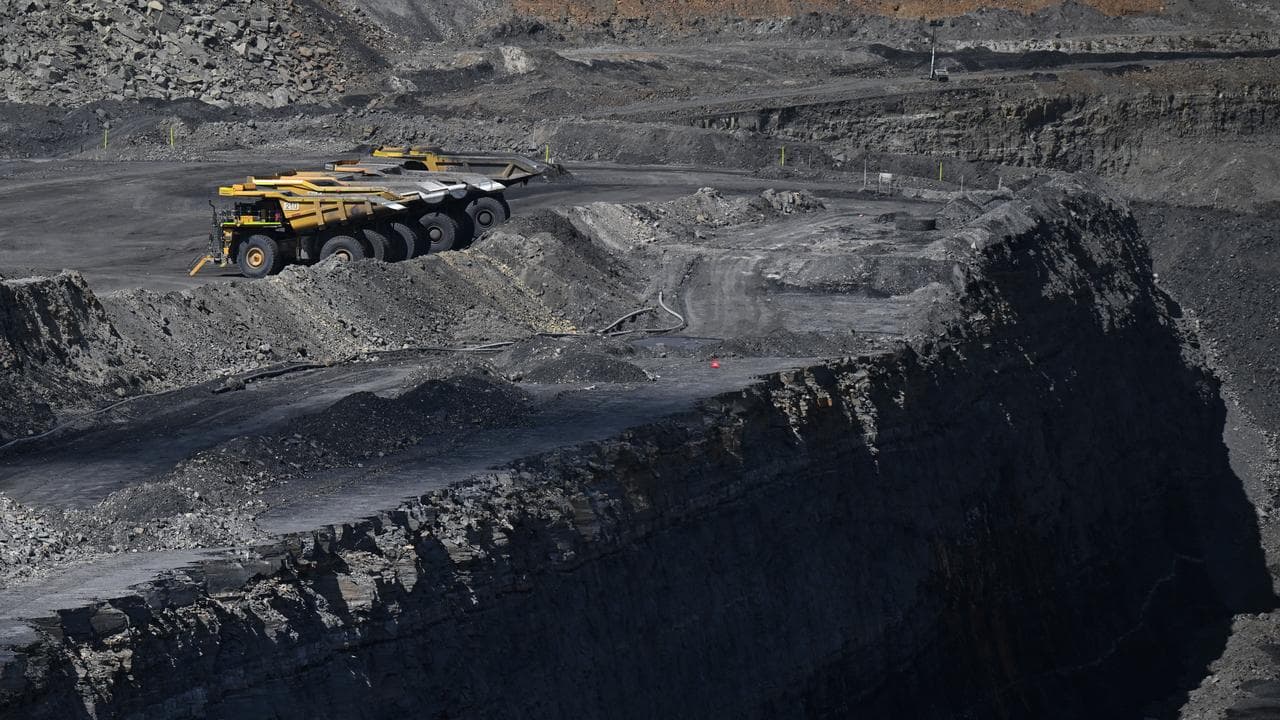
Australia's biggest coal-producing state has vowed to "bulletproof" the industry following a landmark High Court ruling.
Queensland Premier David Crisafulli on Thursday said he would tighten state laws if needed after community environmentalists successfully challenged a major coal mine expansion in NSW's Hunter region.
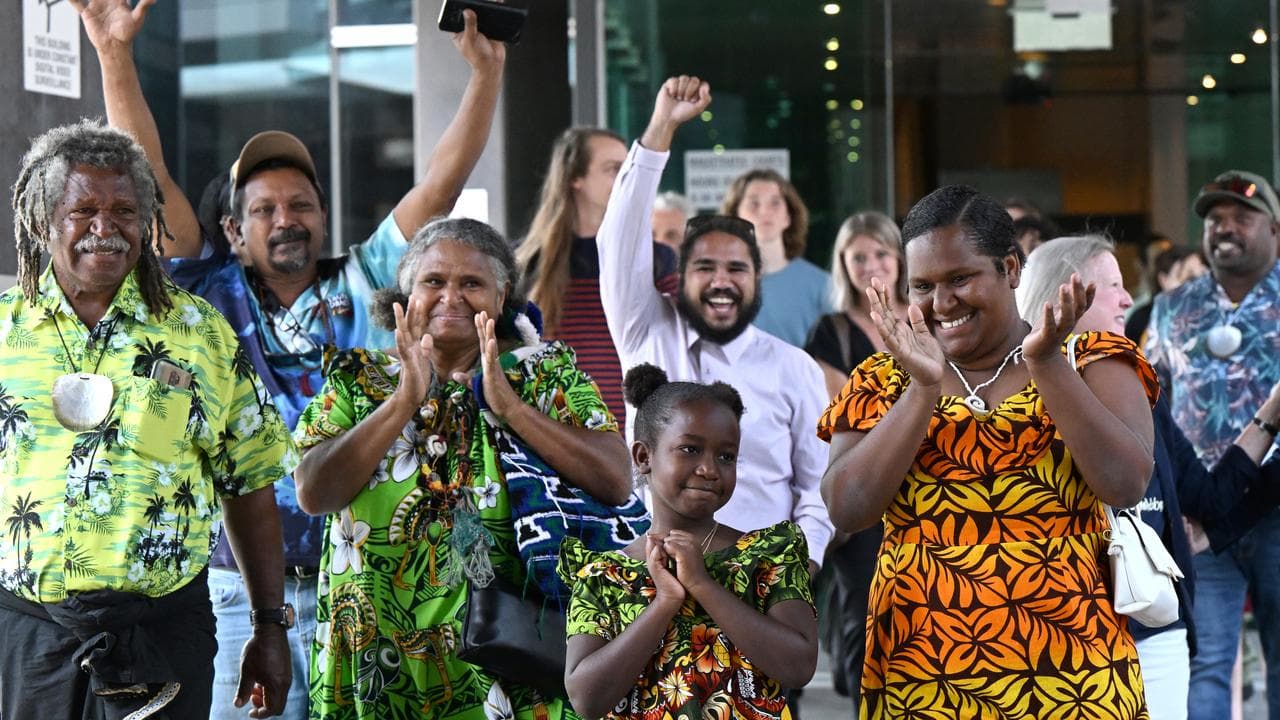
However, Elaine Johnson - the lawyer who represented the triumphant community group - warned the milestone decision could not be easily swept aside by state jurisdictions.

In a 3-2 split ruling, the High Court on Wednesday knocked back MACH Energy's mine expansion in Muswellbrook because the NSW planning body did not account for the emissions of the coal sold and burnt overseas.
Mr Crisafulli was adamant the ruling applied to NSW laws but would look at bolstering state legislation if required.
"If stronger changes are needed to the laws to make them even more bulletproof, you bet we will do that," he told reporters in Cairns on Thursday.
Queensland's Liberal National government recently introduced laws that conservation groups warned would gut the ability of regional communities to challenge mining projects in the courts.
It restricted rights of objection to local councils and landholders who live within 125km of a mining lease application in a move it said would prevent alleged foreign-funded activists from derailing projects.
"We are a pro-mining government," Mr Crisafulli said on Thursday.
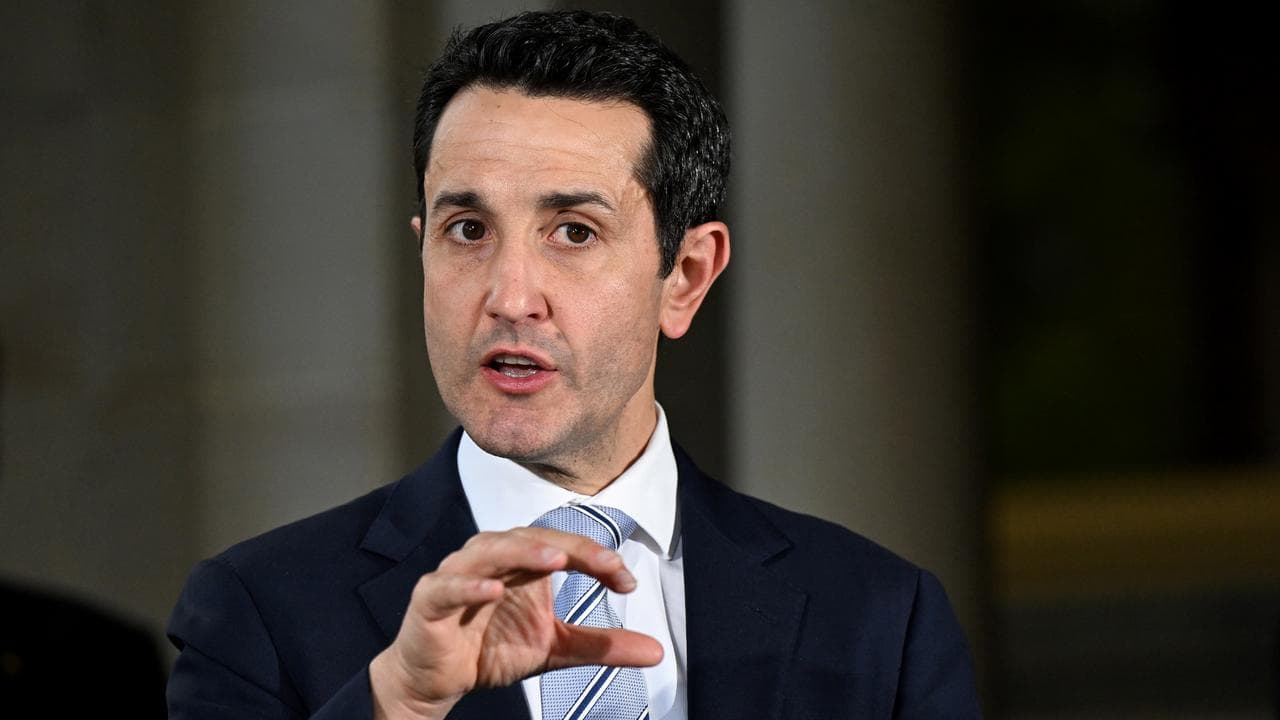
Asked if he thought emissions generated overseas should be considered, and whether that was a good thing for the environment, he replied bluntly: "I don't."
Ms Johnson said the court's decision could not be so easily dismissed.
"I think that the application of the High Court's decision is broad," she told AAP.
She said the bottom line was the High Court had adjudicated Australia had a responsibility to mitigate the emissions generated from coal wherever it was burnt.
"While it may be seen as a quick fix or a knee-jerk response by governments to legislate away appeal rights and legal rights for objectors, it doesn't tackle the fundamental problem," she said.
Lawyer and Monash University researcher Ella Vines said the applicability of the High Court's decision to other jurisdictions was not so clear cut.
She said the decision was made on an interpretation of NSW law requiring decision makers to consider whether conditions could minimise greenhouse gas emissions, including downstream emissions.
"Queensland does not have a directly equivalent provision," she told AAP.
However, Dr Vines also pointed to the Land Court of Queensland's 2022 landmark decision that recommended refusing Clive Palmer's Waratah Coal Galilee Basin mine on climate change and human rights grounds.
The case was pivotal to the LNP government's decision to tighten state laws around environmental objections to fossil fuel projects.
Rebekkah Markey-Towler, also from Monash, said that under the proposed state laws, the Waratah case could not have been challenged by the community.
"I think what is more concerning is the separate erosion of the ability for community groups to challenge coal mine approvals in Queensland," Dr Markey-Towler said.
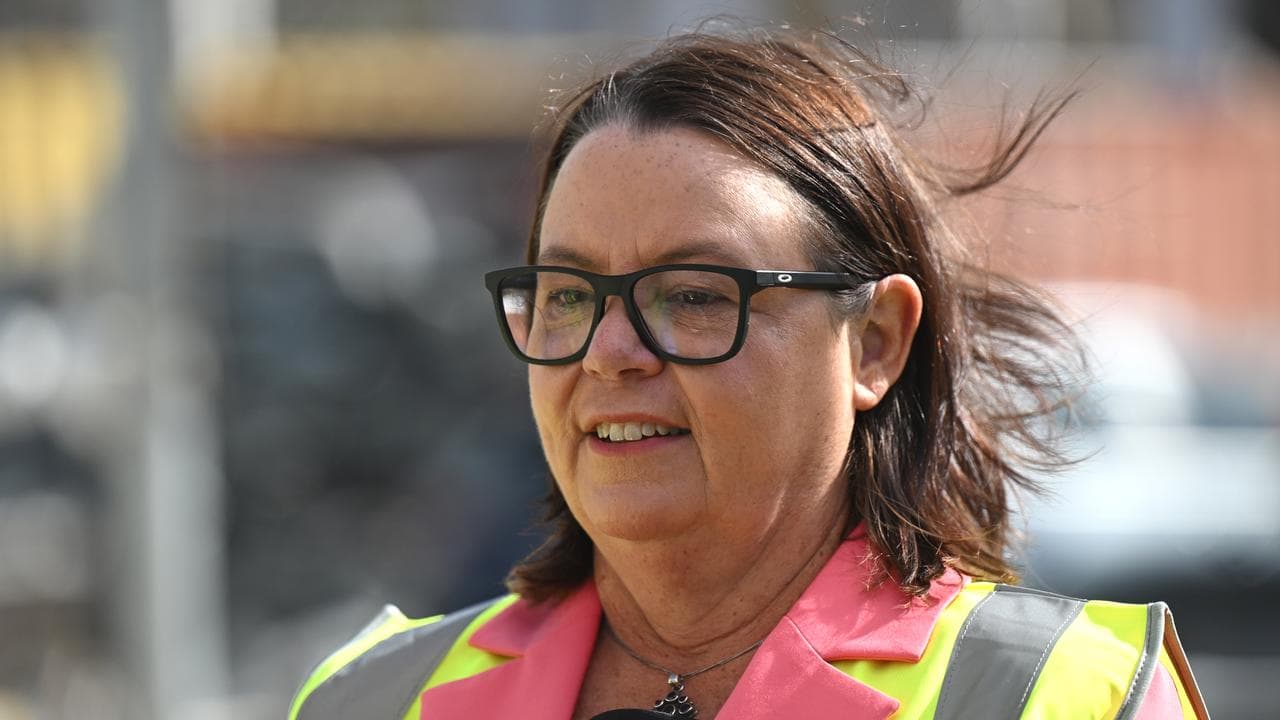
Federal Resources Minister Madeleine King played down the High Court ruling, saying it did not spell the end of fossil fuel industries in Australia.
"Far from it. The High Court ruling is a pretty technical ruling about what a planning commission has to consider when it goes through a planning approvals process," she told ABC Radio on Thursday.
"This won't affect federal decisions or approvals.
"My understanding ... is that it is around a particular application under particular law, in a particular state, so it won't necessarily extend to other states. It really does depend what each of their legislations is."


