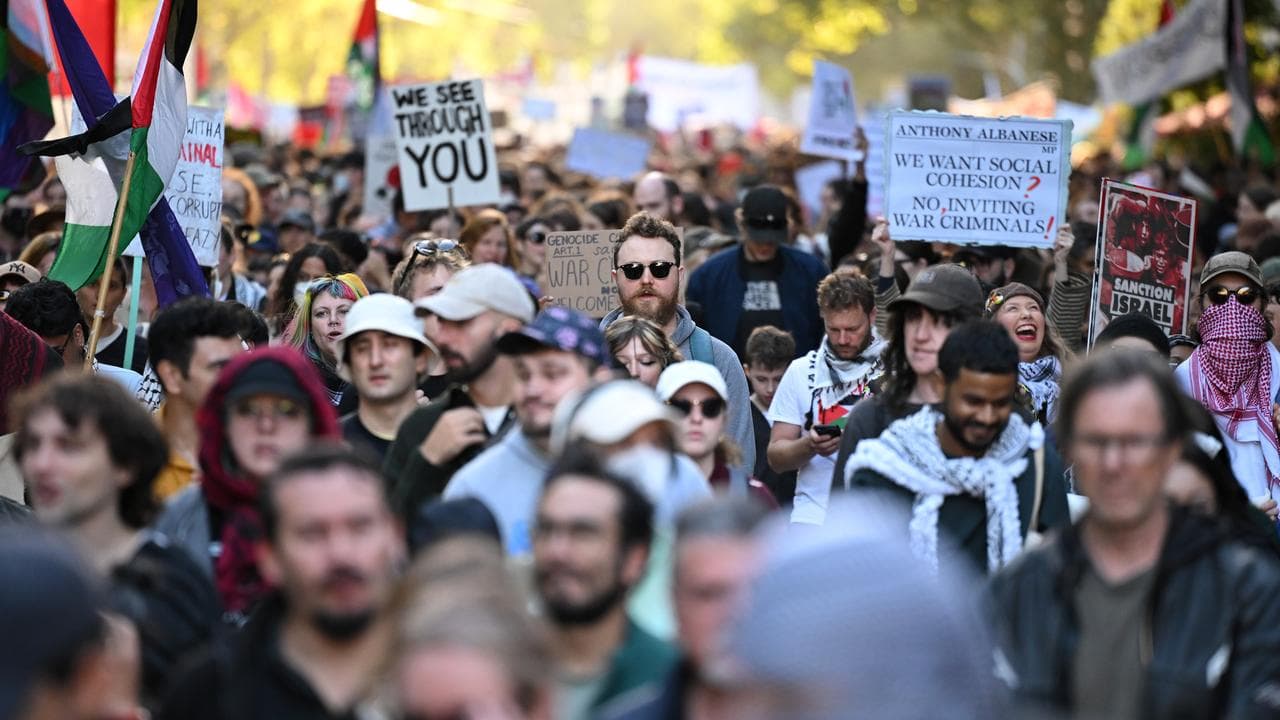
Demonstrators who were arrested during a brutal police crackdown could have their charges dropped after a court struck down controversial protest restrictions.
The measures, rushed through NSW parliament after the Bondi massacre, were in place on February 9 when a thousands-strong protest opposing the Israeli president's visit descended into chaos.
Dozens of attendees were pepper sprayed and beaten by officers, with 27 arrested and 10 charged and before the courts.
But a NSW Court of Appeal decision found the restrictions were unconstitutional and ordered the state to pay the activist groups who brought the legal challenge.
This could prompt prosecutors to withdraw charges and pave the way for others to sue.
"That these laws have now been declared invalid is the nail in the coffin for these prosecutions," solicitor Nick Hanna said after representing Palestine Action Group as it challenged the measures.
"It is inevitable that the prosecutions of every single person who attended that protest will be unsuccessful, and they will be found not guilty if they proceed to hearing.
"It's time for the police to do the right thing and discontinue these prosecutions."
The laws were passed after two gunmen opened fire on a Hanukkah event on Bondi Beach in mid-December, killing 15 people.
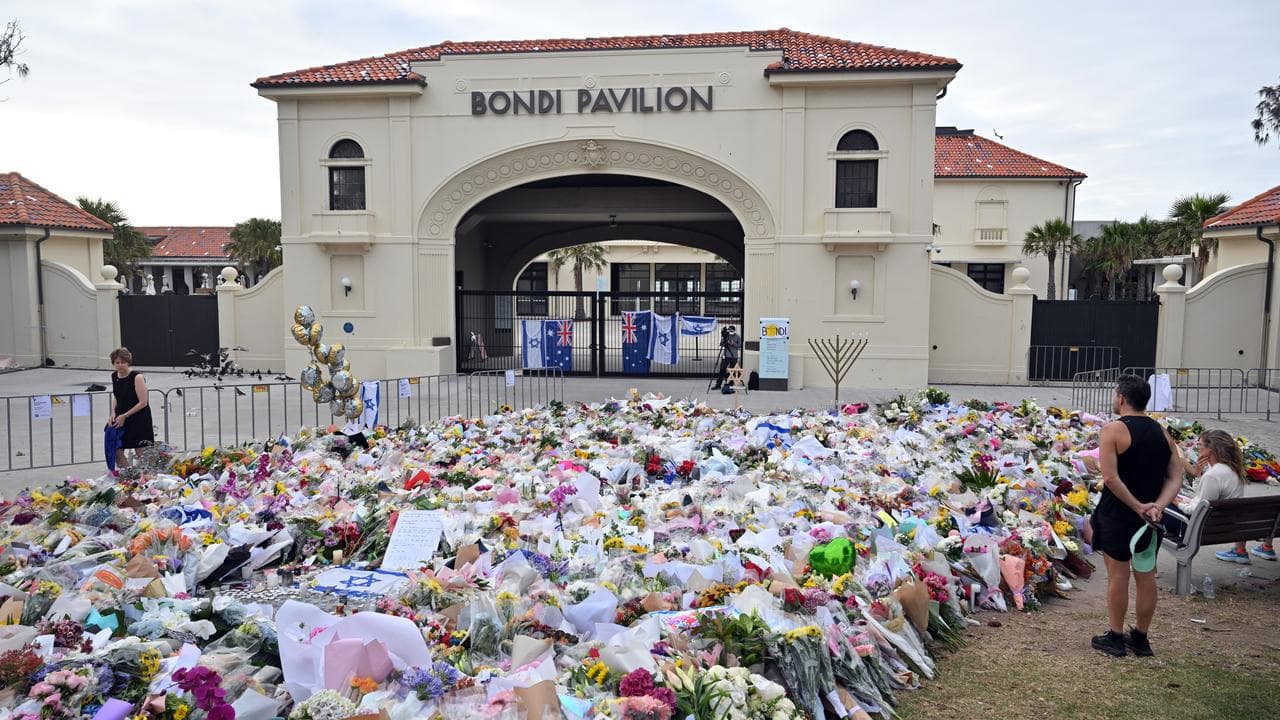
They gave the police commissioner powers to make a declaration preventing residents from seeking authorisation for rallies in key parts of Sydney for up to three months after a terrorist attack.
This left protesters vulnerable to arrest for obstructing traffic or pedestrian movements if they marched through the streets.
While these restrictions were in place at the time of the protest, the event was also policed under a major events declaration that gave authorities powers to clear the area at their determination.
Mr Hanna acknowledged the second declaration could pose an issue for those seeking compensation.
"It's not an insurmountable hurdle, but it certainly is a difficulty that really shouldn't be there and something we'll need to turn our minds to now that this challenge is out of the way," he said.
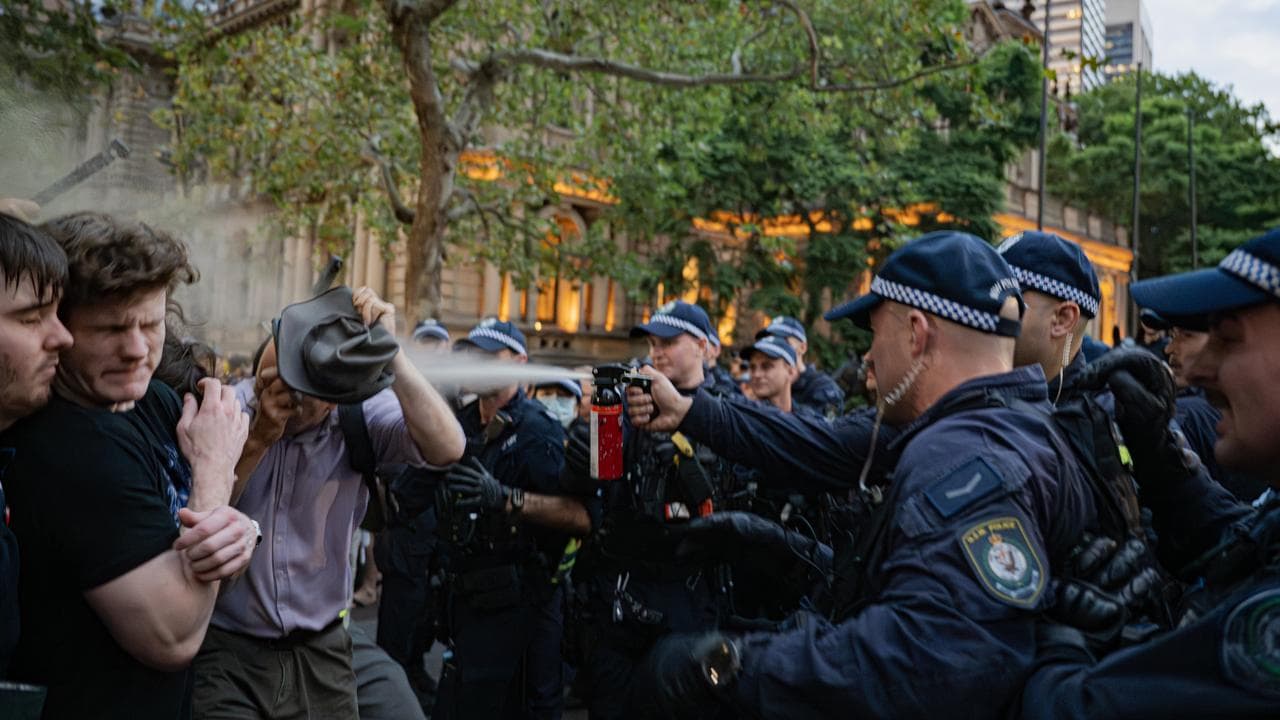
"People who had bones broken, fractured, abrasions, bruises, who were just there protesting peacefully ... there is a very reasonable expectation on their part - and on the part of all people who care about democracy - that they're compensated for that loss."
Taxpayers could be forced to foot millions in potential civil liabilities cases should courts rule in favour of the protesters.
But Premier Chris Minns was warned by civil liberties groups, legal experts and politicians across the political spectrum of the potential consequences of the restrictions in December, and Greens MP Sue Higginson said he should be held accountable.
The premier said the court's decision was disappointing but maintained the laws were necessary after Australia's worst terrorist attack.


