
The outback's searing heat can be punishing, even more so when power is cut to remote residents who rely on fans, air-conditioning units and fridges to stay cool.
Now, a new campaign has been launched - Don’t Switch Us Off This Summer - to ban power disconnections for prepayment electricity customers during times of extreme heat, in line with eastern states.
First Nations community groups, national healthcare agencies and land councils are urging the West Australian, South Australian and Northern Territory governments, along with energy retailers, to back the disconnection ban.
Rene Dingo is a Darlngunaya community leader in WA's Fitzroy Crossing and knows the struggles of families on welfare trying to make ends meet.
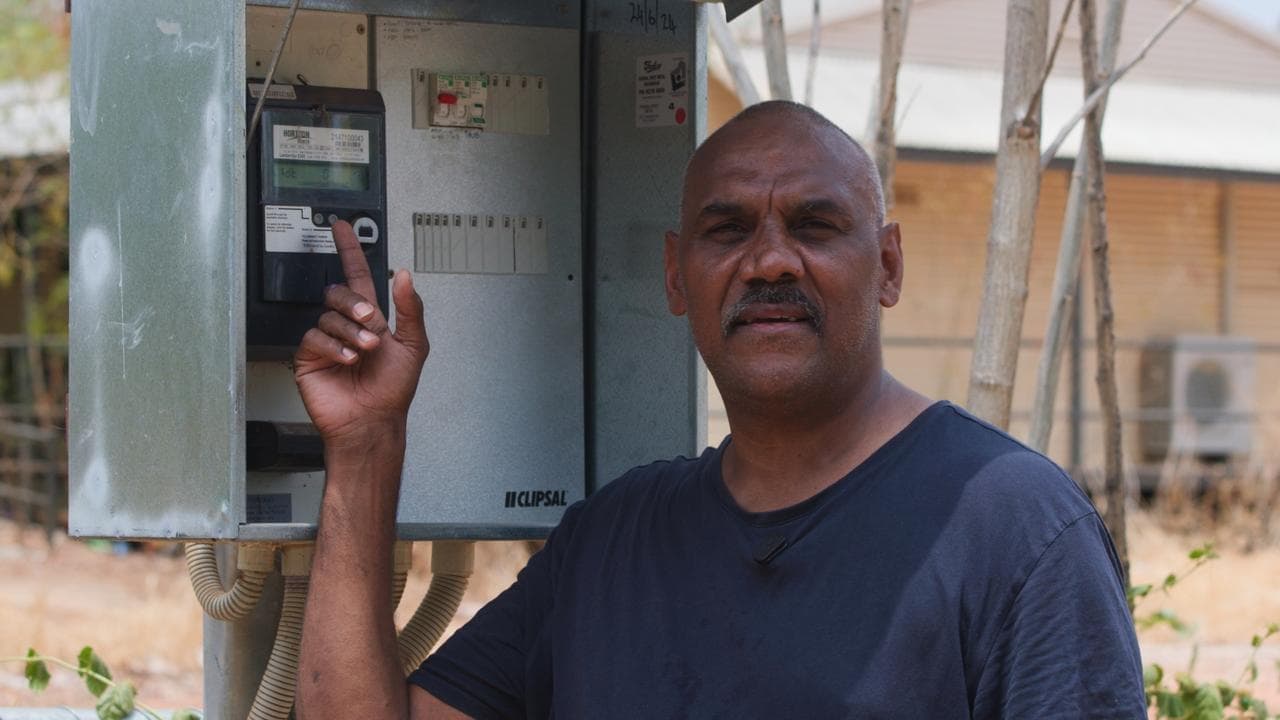
On hot days aircons are cranked up higher, burning a lot more power, and for low-income earners that takes a big amount out of their fortnightly payments, he told AAP.
When the power was cut off, residents often didn't have any money left to top up the energy payments and might have to ask family for a loan until payday, Mr Dingo said.
Others might stay with relatives until their house had power again.
People stocked their deep freezers with meat but if the power was cut off all that food went off within days, causing further stress and cost to the family, Mr Dingo said.
Original Power works to provide First Nations communities with affordable renewable energy and has found disconnection rates for prepayment customers more than double on days over 40 degrees Celsius.
A report by the group found that across WA, SA and the NT there were over 440,000 disconnections in a single year.
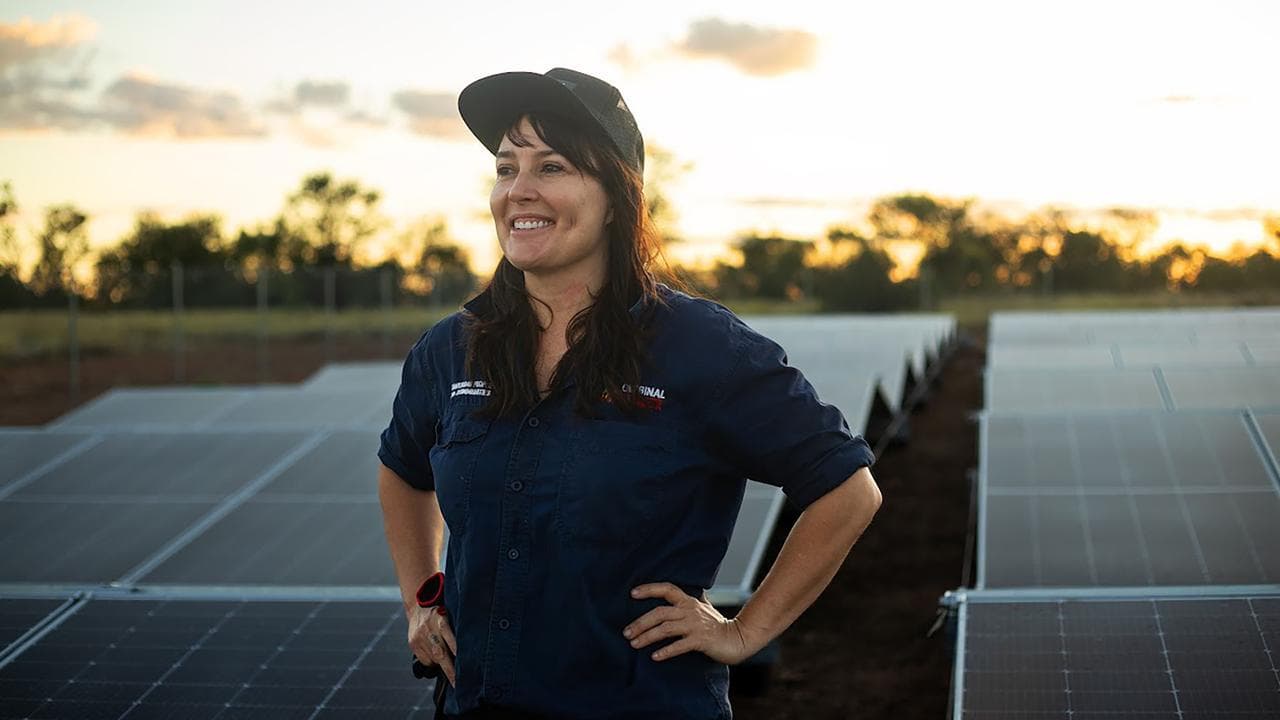
Prepayment meters were the default or mandatory supply arrangement in First Nations communities, Original Power's Lauren Mellor, the report's co-author, said.
The meters work by automatically cutting power to homes when credit ran out, leaving low-income households without cooling, refrigeration or essential services when health risks were highest, she said.
"Heatwave protections for prepayment customers aim to bring parity of consumer protections with the eastern states."
Disconnections during heatwaves were already banned in the National Electricity Market for most Australian energy customers, Ms Mellor told AAP.
"With a dangerously hot summer approaching we’re calling on retailers to ban disconnections during extreme heat to keep communities safe."
The federal government backed heatwave protections to be paid for from climate adaptation budgets and had put aside money for trials.
The relevant states and territories, meanwhile, had given indicative support if the Commonwealth reimbursed the cost, Ms Mellor said.
But energy retailers had been reluctant to opt in to trials or support legislative change to lock in disconnection bans, she said.
The report had modelled energy bill coverage above 40 degrees at only about $1.5 million a year for about 15,000 households.
"What we need now is a direction from state and territory governments that utilise prepayment, telling their retailers they must opt in and trial these measures with a view to rolling them out as permanent protections."


