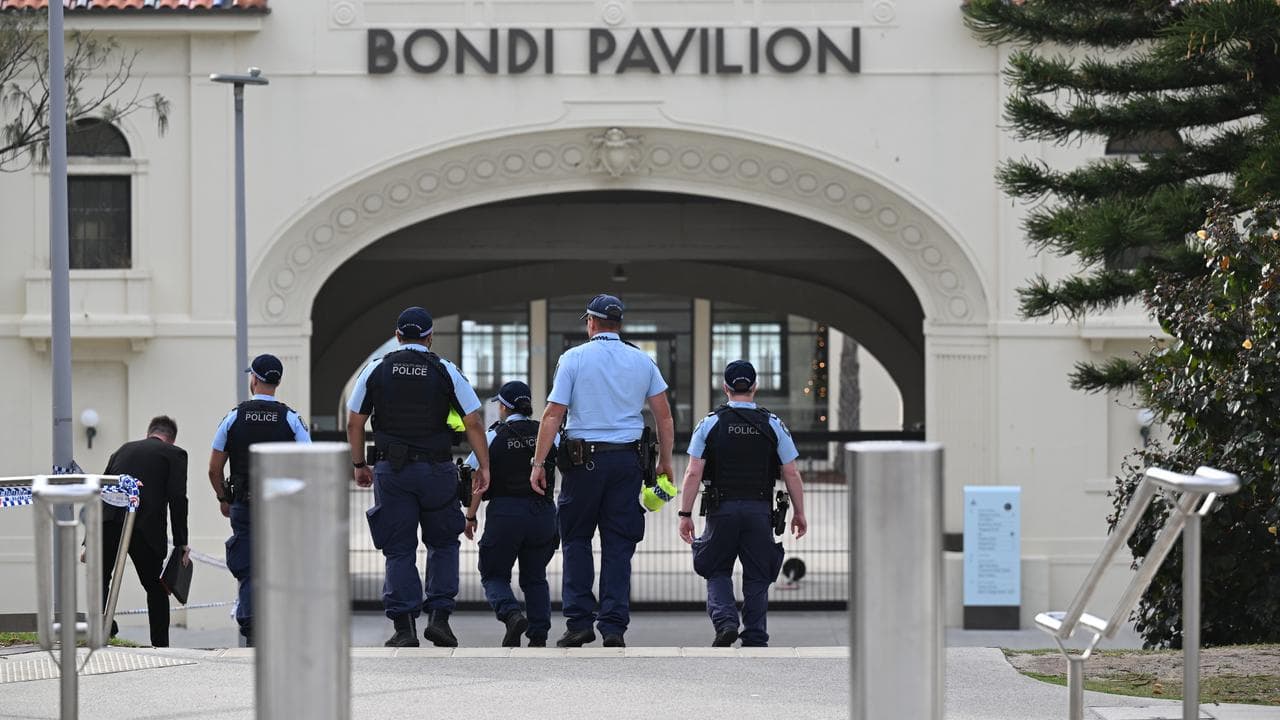
A Jewish community leader has joined growing calls for governments to entirely fund security needs across the Jewish community.
Across a fifth round of hearings in Melbourne this week, the anti-Semitism royal commission has been told the financial burden of Jewish safety in Australia is largely being worn by families, schools, places of worship and community groups.
Government funding since 2023 covered about half of total security costs spent by the Executive Council of Australian Jewry, the commission was told on Thursday.
The peak body for the Jewish community was granted $25 million in federal funding for security in 2023 to allocate to community organisations, places of worship and events.
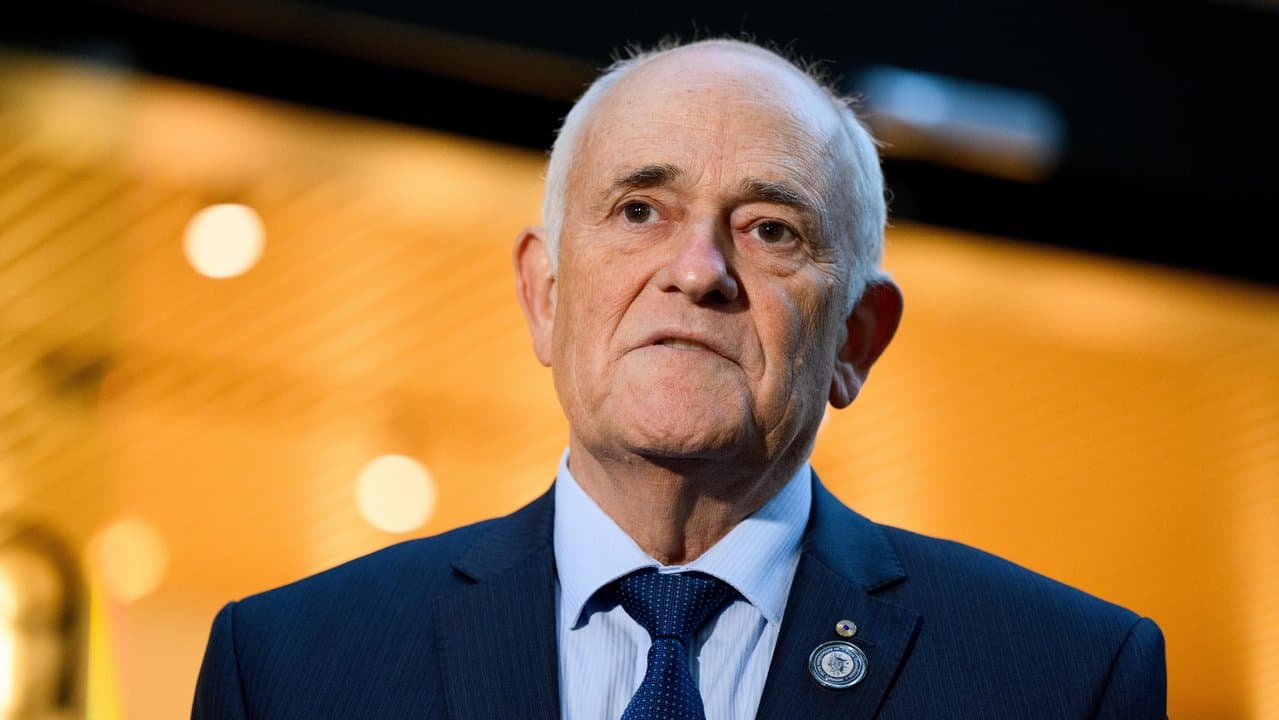
More than 160 applications were made that year totalling $42 million, council co-chief executive Peter Wertheim said.
Mr Wertheim said governments would ideally reimburse the council for all security costs it handles.
Almost 200 organisations have applied for the latest federal funding allocation of $124 million over three years.
Jewish parents are spending hundreds of dollars on security levies on top of school fees and community security group volunteers are putting in tens of thousands of cumulative hours to protect events, the inquiry was previously told.
Vulnerable synagogues and Jewish organisations in Victoria were priced out of previous security funding because they couldn't meet grant requirements to provide a co-contribution, Jewish Community Council of Victoria chief executive Naomi Levin testified on Wednesday.
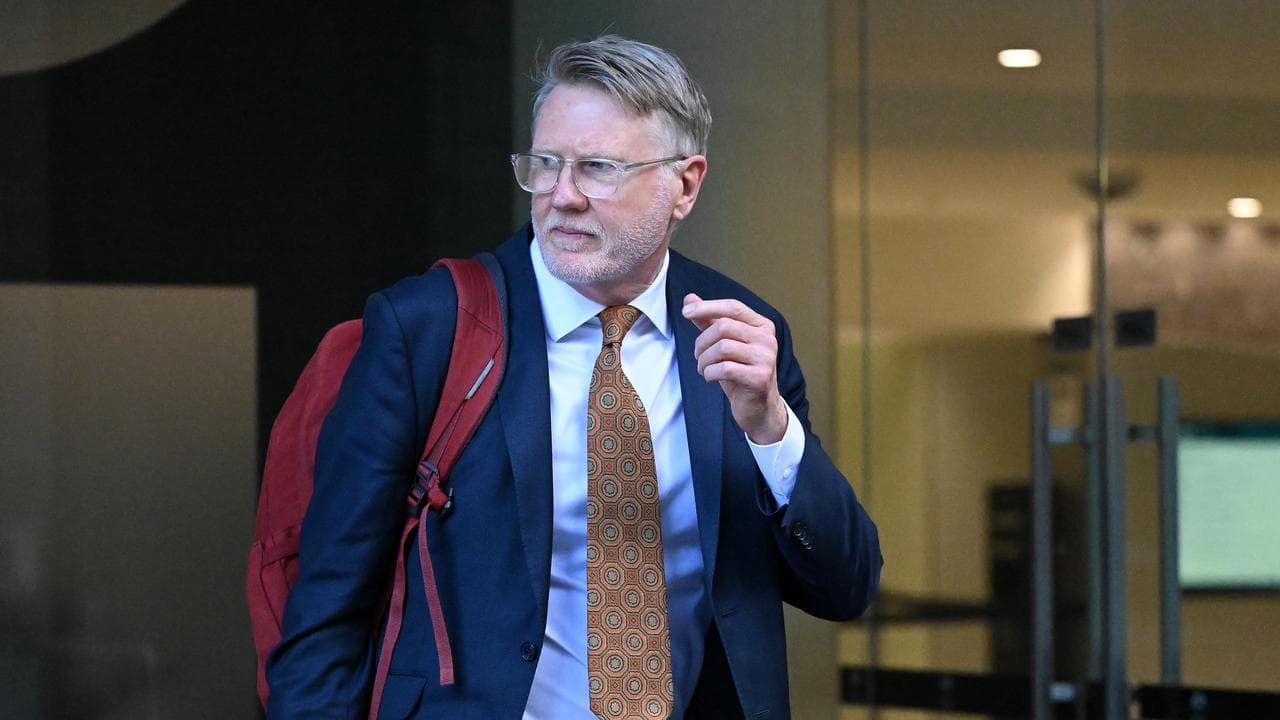
Victoria's most senior public servant Jeremi Moule on Thursday said the co-contribution model aimed to ensure grant recipients had the "financial wherewithal" to handle grant projects.
In NSW, there were no co-contribution requirements for Jewish security funding programs, the inquiry was told.
"When a grant is designed for something as significant and as urgent as security during periods of heightened risk ... we certainly wouldn't be introducing those types of requirements which might slow down the provision of those services," NSW Premier’s Department secretary Kevin Draper said.
Earlier, the commission was told children were increasingly facing social isolation for being Jewish, with some excluded from birthday parties and social media group chats on the basis of their religion and culture.
Jewish Australians travelling to Israel refrain from revealing their destination to colleagues and friends and families feel discouraged from sharing their Jewish customs at multicultural school events, the inquiry was told.
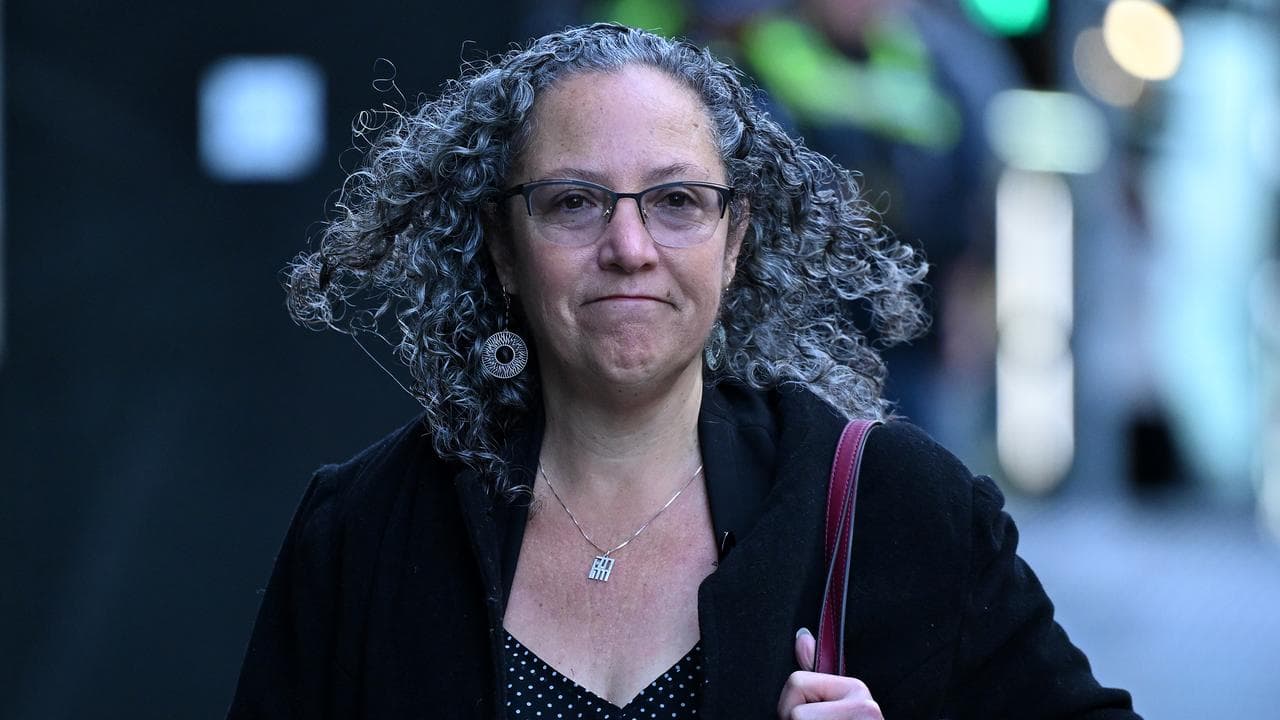
"They can't express that (pride) to other people without being shut down or condemned," Rabbi Allison Conyer said.
Anti-Semitism is facing "normalisation or acceptance", with Rabbi Conyer reflecting on an incident where a Jewish chemist was told "you can't trust a Jew" and had medication thrown at him by a customer.
"Nobody stood up. Nobody said anything. Nobody defended him," she said.
Bomb threats and other messages of abuse at nearly all of the 19 progressive Jewish synagogues across Australia was pushing Jewish Australians away from their faith, the commission heard.
Non-denominational preschools run at progressive synagogues have experienced a 25 per cent decline and at least one service is at risk of closure, the inquiry was told.
Former NSW Board of Jewish Deputies president Lesli Berger told the inquiry his three children began feeling "unsafe and uncomfortable in their own home" after a swastika was graffitied on their back fence in December 2024.
That fear was exacerbated a year later, when gunman opened fire on innocent Jewish Australians celebrating Hanukkah at Bondi Beach.
Mr Berger's two youngest children were home alone at the time of the Bondi attack and "completely panicked", the inquiry was told.
His teenage son called his best friend, who is not Jewish, and said he was afraid the home could be targeted again.
"I felt that I had failed as a parent," Mr Berger said tearfully.
Hearings continue in Melbourne on Friday.
Lifeline 13 11 14
Kids Helpline 1800 55 1800 (for people aged 5 to 25)


