Cancer patients in disadvantaged areas are dying at higher rates than those in privileged communities as differences in survivorship grow.
Medical advancements have significantly improved Australians' survival rates from one in two dying from cancer within five years in the 1980s, compared with one in four during the 2010s.
But these gains are not equally shared, according to research from the Daffodil Centre.

Between 1980 and 1989, the death rate of cancer patients living in the most disadvantaged parts of NSW was four per cent higher than those in the most advantaged areas.
By the 2010s, the difference had swelled to 35 per cent.
"There's a really big equity gap that demands urgent attention," author and Daffodil Centre research stream lead Julia Steinberg told AAP.
The study analysed data from almost one million people diagnosed with cancer in NSW across four decades.
It found widening disparities across a range of cancers including breast, melanoma, colorectal, lung and stomach.
While the gaps were driven by a number of factors, early detection played a key role, Associate Professor Steinberg said.
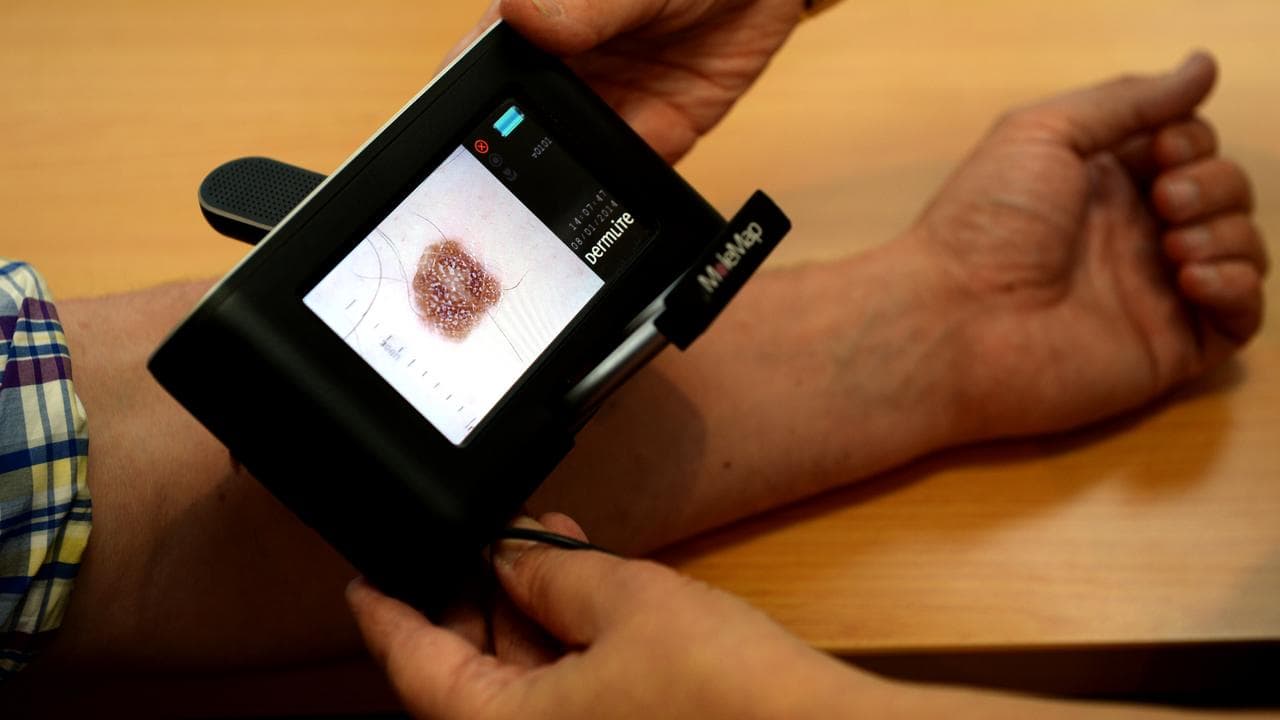
The introduction of early cancer screening programs in the past two decades has significantly improved survival.
More than half of those whose cancer had spread to other parts of the body at time of diagnosis died within a year.
But only four per cent of people whose cancer is limited to a certain part of the body at diagnosis died during that period.
People in more disadvantaged areas are, however, less likely to take part in these screening programs and are more often diagnosed with advanced cancer.
Some of this could be attributed to language barriers, according to Cancer Council NSW policy advocacy manager Brad Gellert.
English is not a first language for many living in disadvantaged communities, which means they struggle to access or understand Australia's health system, and can experience medical racism.
Disadvantaged Australians are more likely to have other conditions such as heart disease, that can affect cancer treatment decisions and survival.
Many less advantaged places can also be more remote, reducing patients' access to cancer care due to distance and the associated higher costs.
"Whilst overall cancer survival rates are improving, this research makes it clear that some groups are being left behind," Mr Gellert said.
He has urged the government to focus on strategies lift screening rates for low socioeconomic status communities and offer support to address financial barriers to treatment.


