Off the back of one of the driest periods in recent memory, many farmers in central Australia are cashing in on their lush pastures and putting their properties on the market.
But Buckleboo Station manager James Kerr is already preparing for the next major drought with a carbon credit project that is already paying dividends.
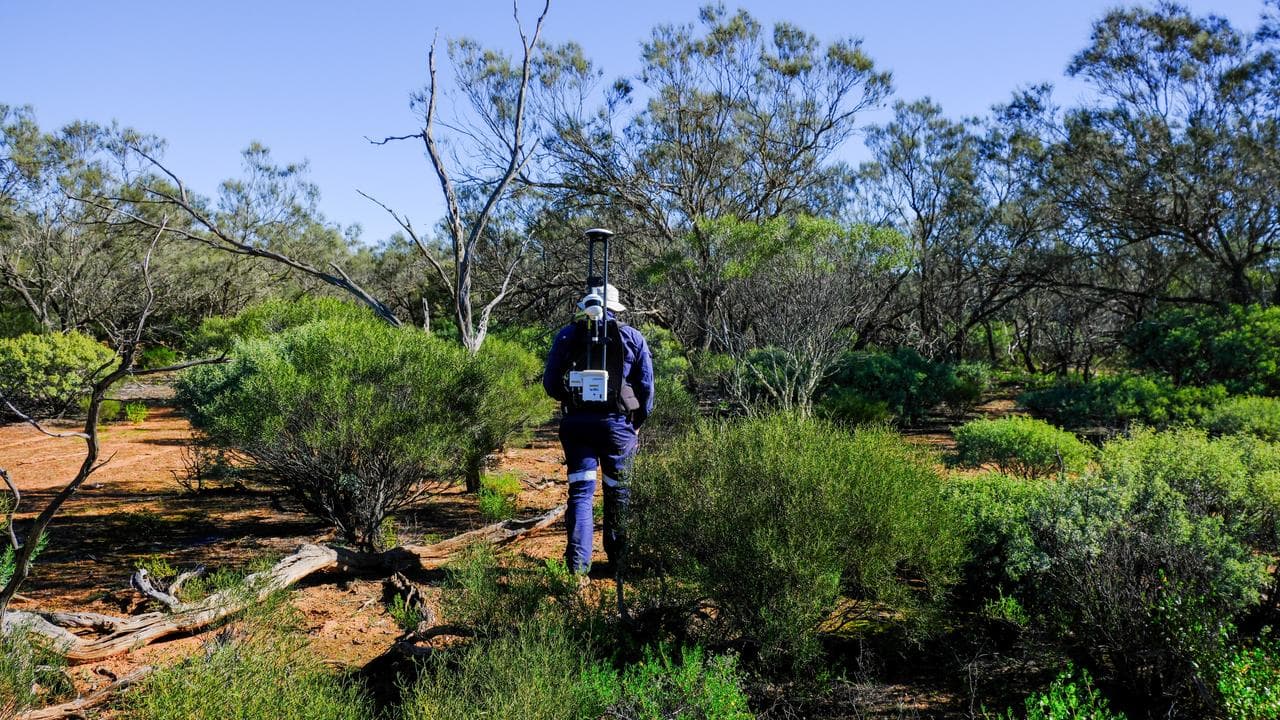
Since 2018, Mr Kerr has been managing his 100,000-hectare sheep station in South Australia's Upper Eyre Peninsula, where generations of grazing practices and out-of-control pest populations had decimated the paddocks.
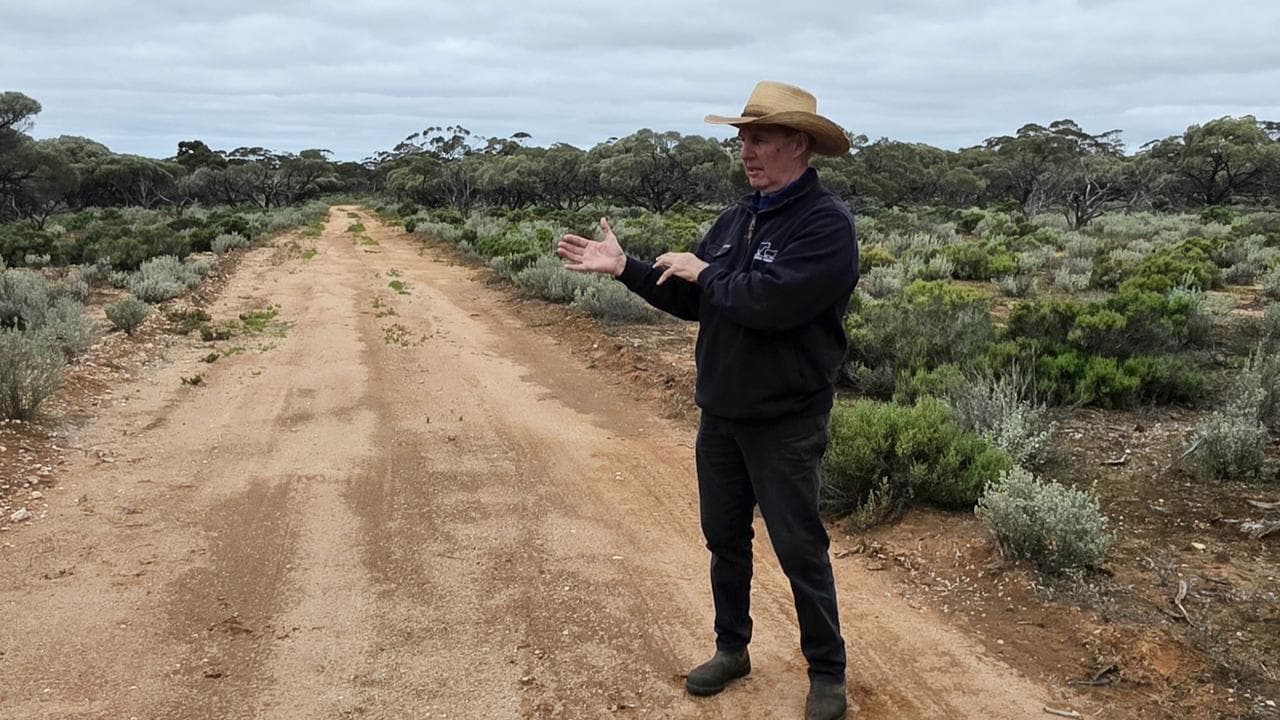
"We realised that we had to get rid of the goats, we had to look at reducing our sheep numbers and we had to work out how to get rid of the roo numbers as well," he said.
"Those three species put a lot of pressure on the most palatable plants on the landscape."
It set off his 25-year carbon credit project aimed at regenerating the land by nearly halving his sheep stock and using three-month grazing periods to let the country breathe.
The results speak for themselves.
The property's biomass or organic material, made mostly of small scrubland and grass yield, increased nearly sixfold to 1400kg per hectare in five years, raising 103,000 Australian Carbon Credit Units (ACCU).
Another 100,000 carbon credits were raised by his NSW property.
He sold the carbon credits he earned from both for $7.6 million.
"You still need income if you reduce all your stock numbers," Mr Kerr said.
Agriculturalists under the ACCU scheme can earn a carbon credit for each tonne of carbon they remove from the atmosphere.

Those contracts generate up to 20 million carbon credits each year worth more than $1 billion and are sold to the country's top 200 polluters for offsetting emissions.
Up to 500 pastoralists across Australia are on the ACCU scheme with up to 10 per cent of the country's landmass now covered by a carbon contract.
Clean Energy Regulator executive manager Carl Binning said the scheme was not intended to replace agriculture but about restoring the health of country and making farms more productive again.
"Taking on a carbon project in ways is a little bit brave," he said.
"If we do that right, we can actually lift productivity, not reduce it."
Landscape ecologist Richard Marver said attitudes around future-proofing farms had started to change, both on an industry level and from a policy level.
"One of the best things I can see is seeing the region to see the shift in culture and the peer pressure changing to really now seeing how we can change this landscape now and do our grandchildren well."


