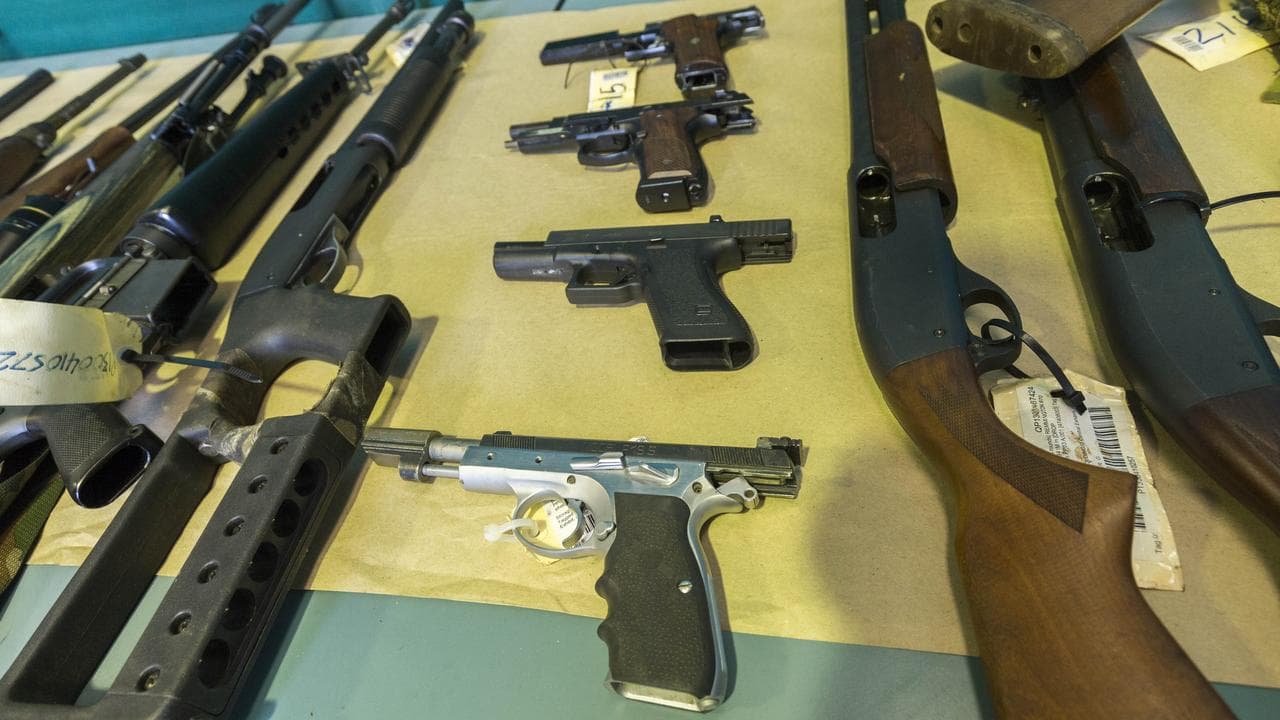
Criminal intelligence could be used to limit firearms access following the Bondi terror attack as the NSW premier promises to impose the nation's strongest gun laws.
Federal, state and territory leaders have begun pursuing urgent reforms to firearm legislation after Australia's worst mass shooting in nearly three decades on Sunday.
NSW parliament would be recalled as soon as possible for laws to crack down on gun ownership and licensing, including prohibiting non-citizens from holding firearm permits.
“I want to make it clear that our efforts to firstly work with the NSW police on counter-terrorism efforts continue,” NSW Premier Chris Minns told reporters in a press conference in Sydney on Tuesday.
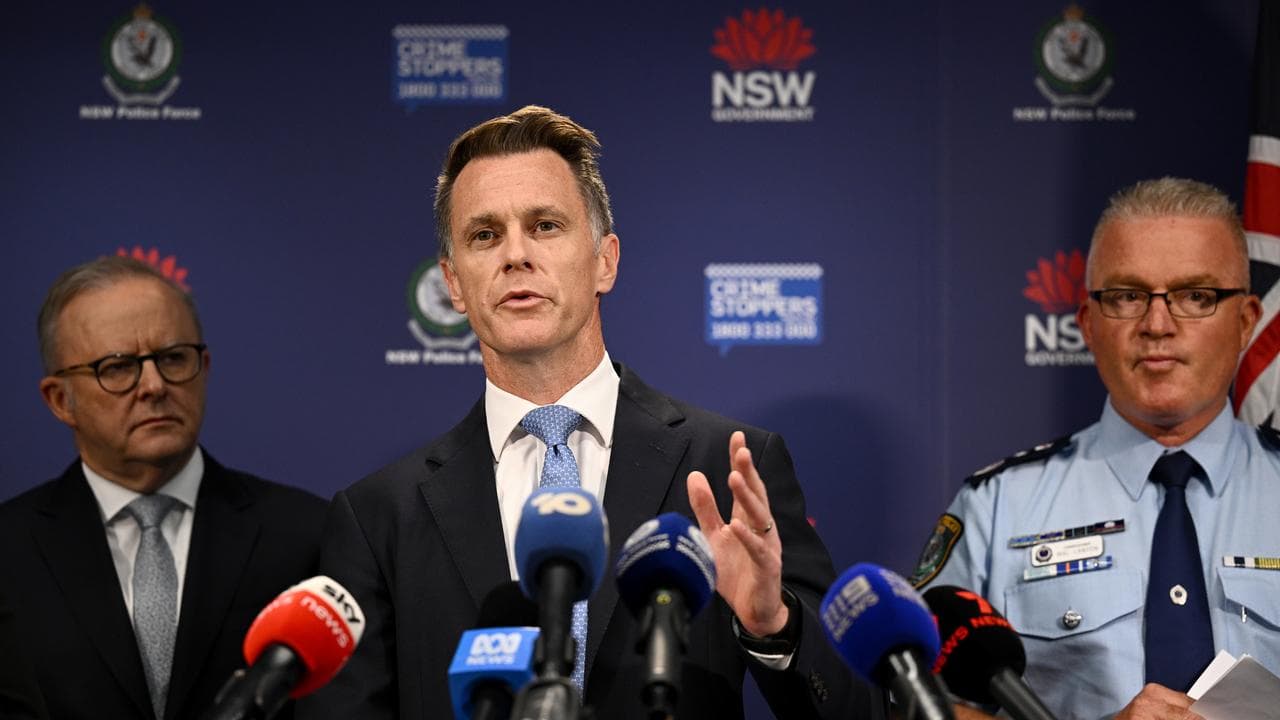
“I’m determined to bring in the toughest gun laws in Australia, and they’ll be significantly tightened in NSW.”
He said the government will “do everything we possibly can” to ensure the tragedy is not repeated, including looking at whether criminal intelligence rather than criminal records is a reason to deny a gun licence.
"If we can craft a law that the police commissioner can say, 'I've got concerns about this person, I don't want them having access to a gun', notwithstanding the fact that they don't have a criminal record, that's the kind of legislation that we want to see," he said.
Prime Minister Anthony Albanese said the national cabinet agreed to strengthen the nation’s gun laws.
"The very nature of our gun laws means that they are only as strong as the weakest link," Mr Albanese said at the conference.
"The consideration that will take place includes limiting the number of guns an individual can own, the type of guns that are legal, whether gun ownership should require Australian citizenship, and accelerating work on the national firearms register."
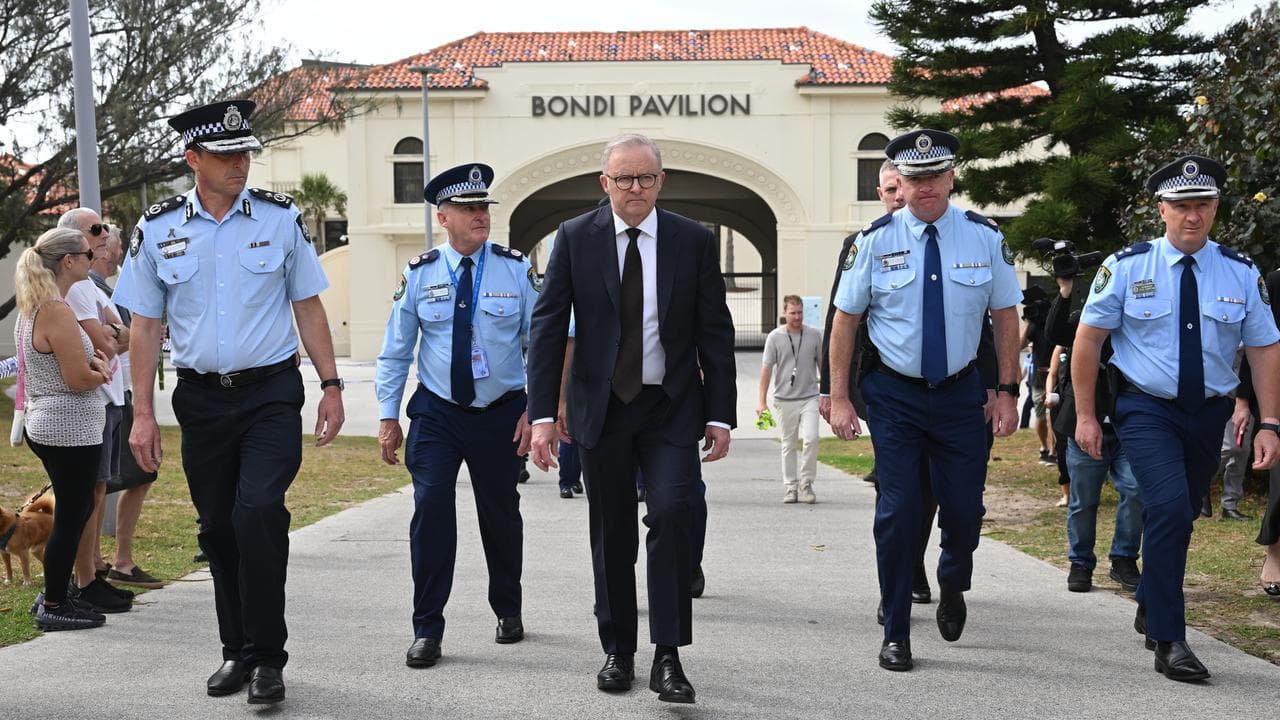
Australia's gun laws, introduced by then-prime minister John Howard after 35 people were shot and killed in the Port Arthur massacre of 1996, are among the toughest in the world.
Sunday's attack on a Jewish Hanukkah celebration in Sydney has raised concerns about whether the laws remain fit for purpose.
The gunmen - Naveed Akram, 24, and his father Sajid Akram, 50 - acted alone and were not part of a terror cell, Mr Albanese said.
Sajid, a licensed owner of six firearms, died at the scene following a shootout with police, while his son remains in a coma in hospital.
Mr Howard believes "sensible tightening" of his landmark reforms can occur, but said he also wants the prime minister to "treat the Jewish community as part of the Australian nation".
Mr Albanese said the ongoing threat of anti-Semitism and far-right extremism meant a new approach to gun safety was required.
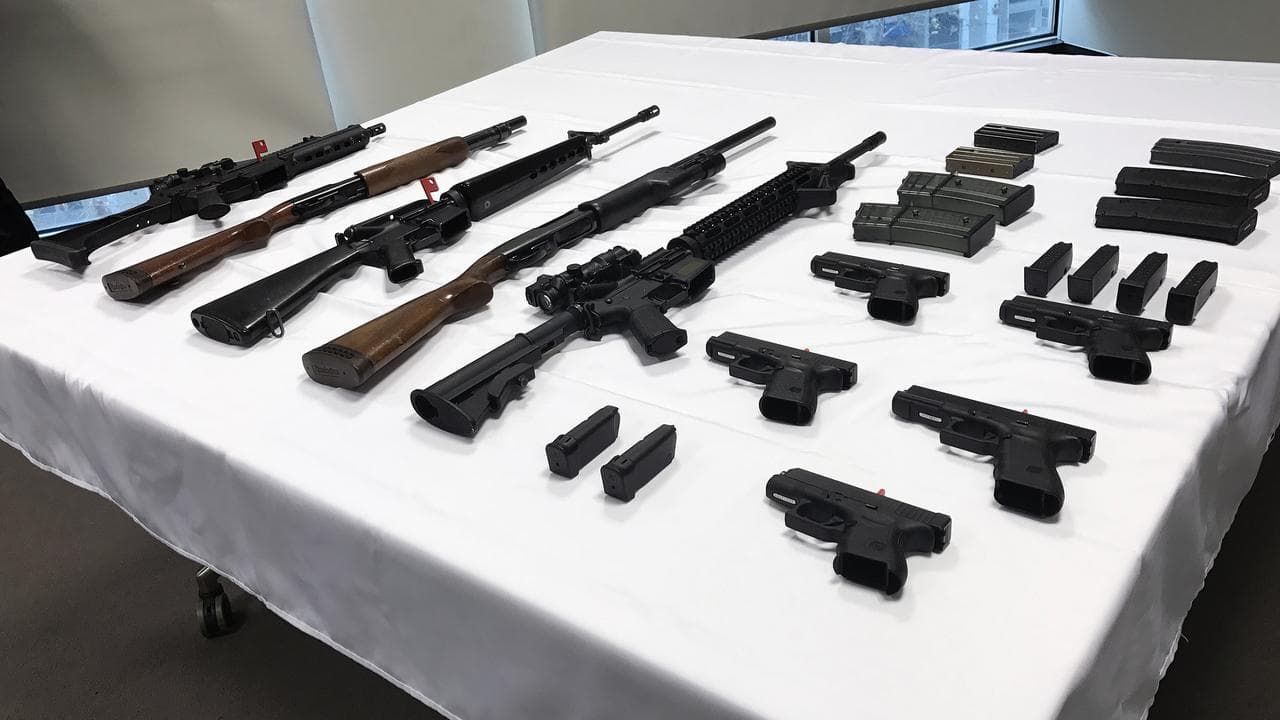
A national gun register would allow police to better share information so they can track firearms across jurisdictions digitally, the prime minister said.
Asked whether he should focus more on anti-Semitism rather than gun reform, Mr Minns said "we have to do all these things together".
"This is a horrible crime and I think taking one action would be nowhere near enough to combat the scale of the challenges that are in front of us," he said.
National Farmers' Federation interim chief executive Su McCluskey acknowledged the "immense sensitivity" around gun law reform.
"The NFF will engage in the reform agenda once a formal process is established," she said in a statement on Tuesday.


