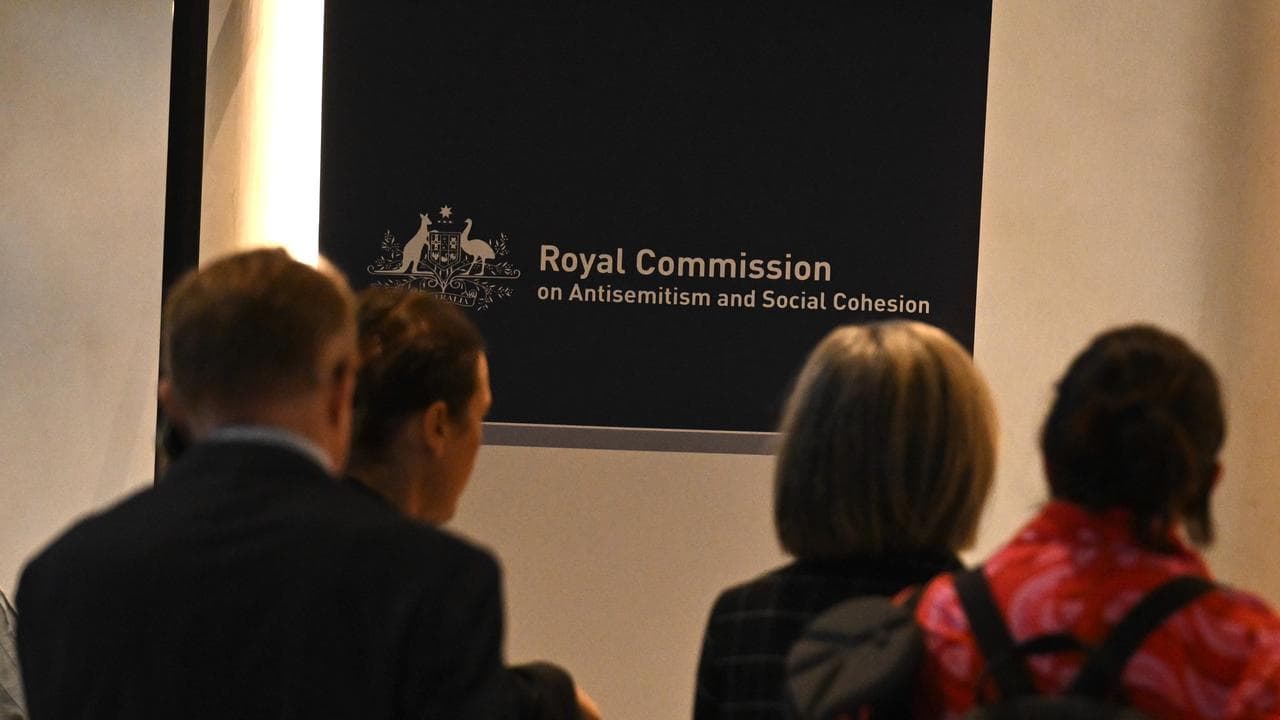
An Islamic leader has explained vigils held for a slain Ayatollah shortly after Australia's spy agency said Iran had backed local anti-Semitic attacks.
Royal Commissioner Virginia Bell on Monday questioned Ali Alsamail, director of the Shia Muslim Council of Australia, about displays honouring Iran's supreme leader Ali Khamenei.
She asked how vigils in March could be reconciled with anti-Semitic attacks allegedly orchestrated by Iran late in 2025.
Dr Alsamail said it was difficult to tell whether Khamenei was specifically involved in the attacks, rather than some other rogue element.
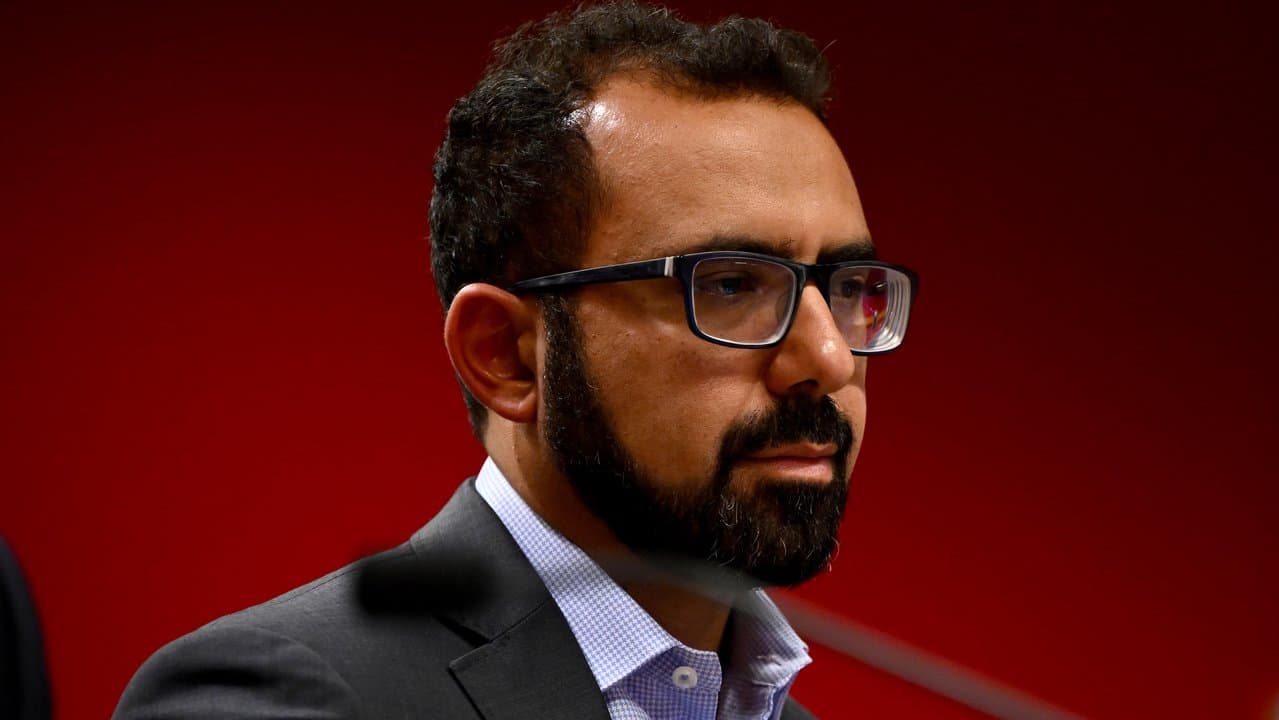
“We would believe (the) Ayatollah would never have any direct involvement in anything like that at all,” he said.
“The mourning was for a religious leader, a leader in jurisprudence and theology, aside from any political or authority positions he held.”
A select group of Australian mosques held vigils after Iran’s Supreme Leader was killed in strikes on February 28.
Prime Minister Anthony Albanese said they were not appropriate, while NSW Premier Chris Minns went further and labelled them “atrocious”.
Mr Albanese last year accused the Iranian Revolutionary Guard Corps of orchestrating attacks on a restaurant in Sydney and the Adass Israel Synagogue in Melbourne.
Dr Alsamail earlier gave the commission examples of how his council supported positive initiatives for the community
His council developed an educational program to counter hate speech and vilification, and supported a Muslim advocacy group’s submission on dehumanisation framework.
Local work focused on inter-faith dialogues and providing a voice to marginalised youths in his community, he said.
Earlier on Monday, the commission heard the nation’s charities regulator would benefit from an expanded toolkit with which to target non-profits involved in vilification.
Australian Charities and Not-for-Profits Commission (ACNC) head, Susan Woodward, said a hypothetical religious charity inviting a speaker who espoused hatred would be of significant concern.
But there may not always be a “simple line” to address it, she said.
“What I’d like to describe as the full tool-kit of a modern regulator are limited."
Ms Woodward said revoking a not-for-profit’s charity status functioned as a “blunt tool” and may effectively only remove the non-profit from the body’s view.
The body would additionally struggle to remove an offending responsible person from a basic religious charity.
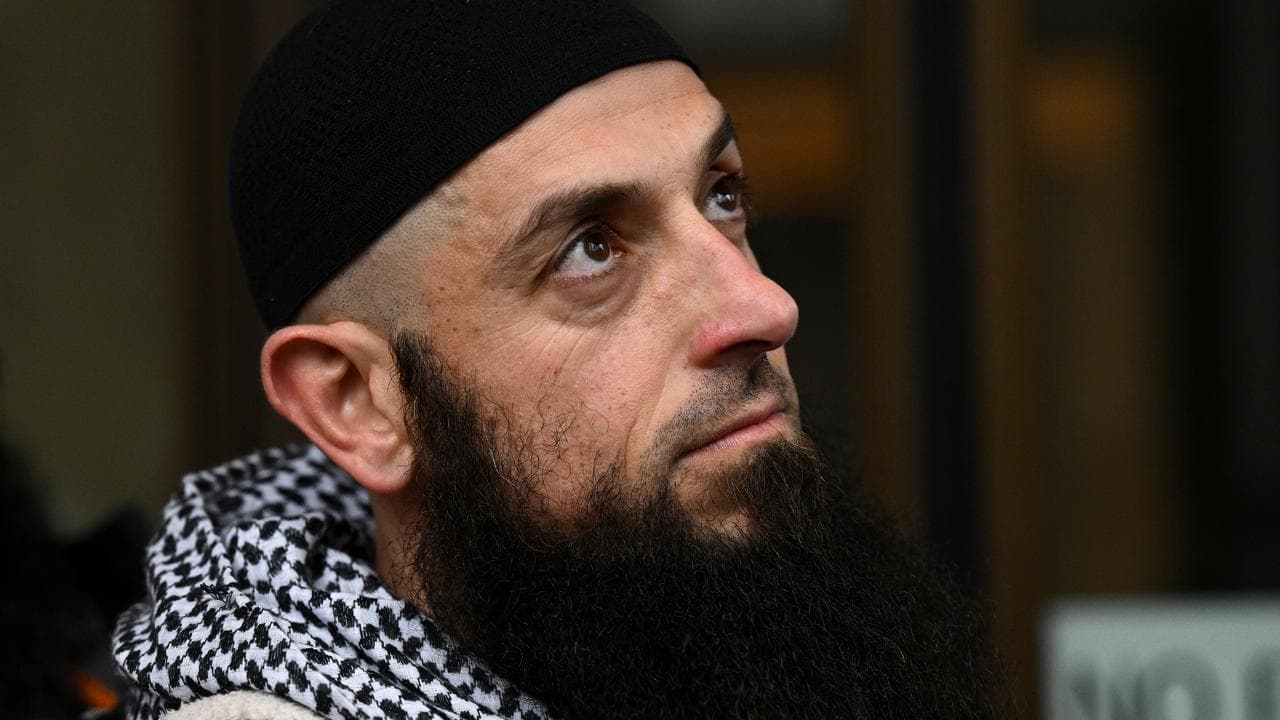
In 2025, the body revoked the charity status of an organisation part-directed by a high-profile preacher previously sued for racist and anti-Semitic lectures.
Wisam Haddad's Dawah Van organisation had its charity status revoked following investigations into its recruitment activities.
At the time, Ms Woodward described it as the most serious action her organisation could take.


