Australia’s land rights story has entered a new chapter, catching some of its most senior leaders off guard.
Yolngu Elders in northeast Arnhem Land have announced a breakaway Dilak Land Council, declaring land rights are "coming home" to Traditional Owners.
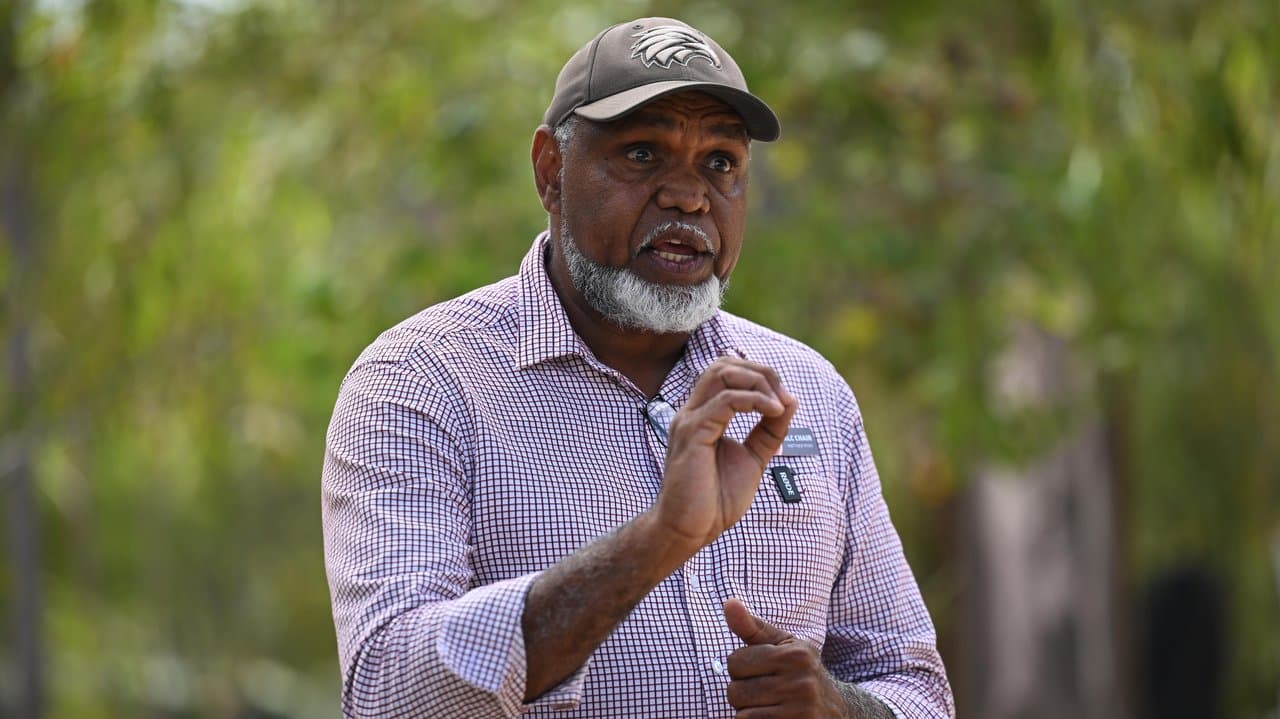
It's a move Northern Land Council chair Matthew Ryan says has sent “shock” rippling across the nation.
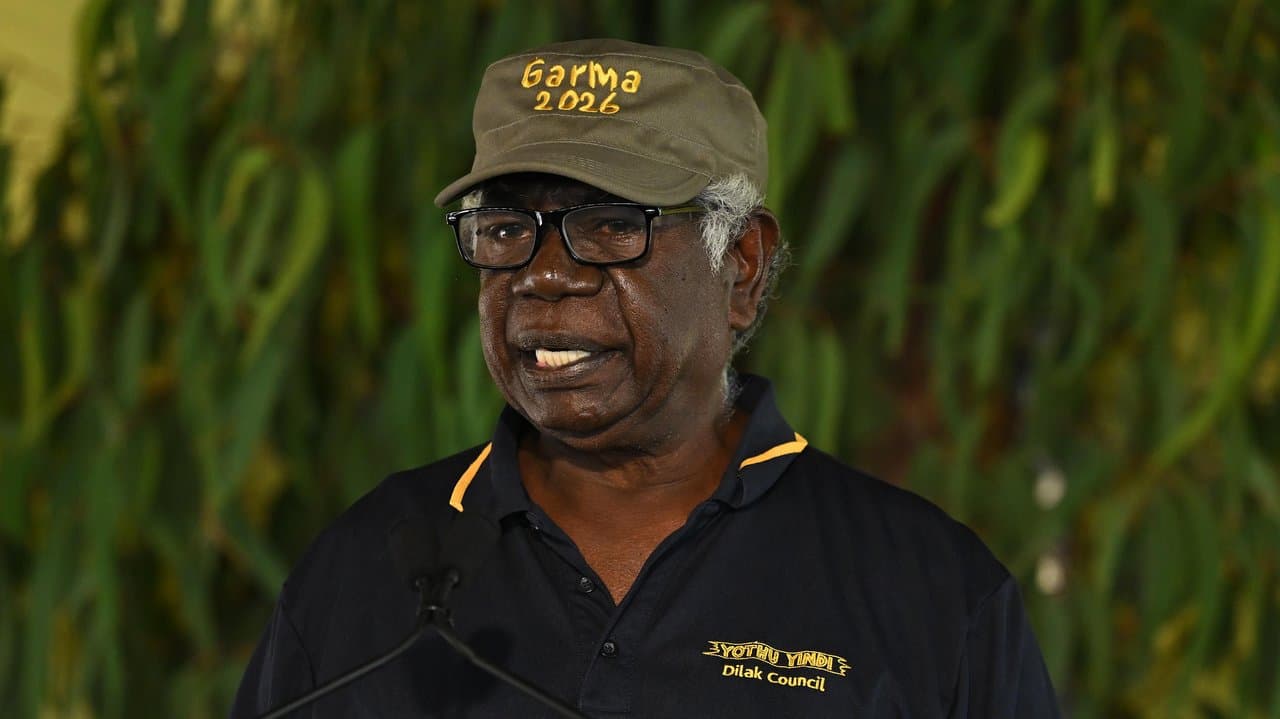
On a national stage at the Garma Festival, revered Yolngu Elder Djawa Yunupingu told leaders, politicians and visitors from across the country real power must sit “fully into the hands of landowners”.
“I announce today land rights is coming home to northeast Arnhem Land,” he said to rapturous applause.
“There will be a new land council in Arnhem Land and it will be called the Dilak Land Council, and it will be the power for our future.”
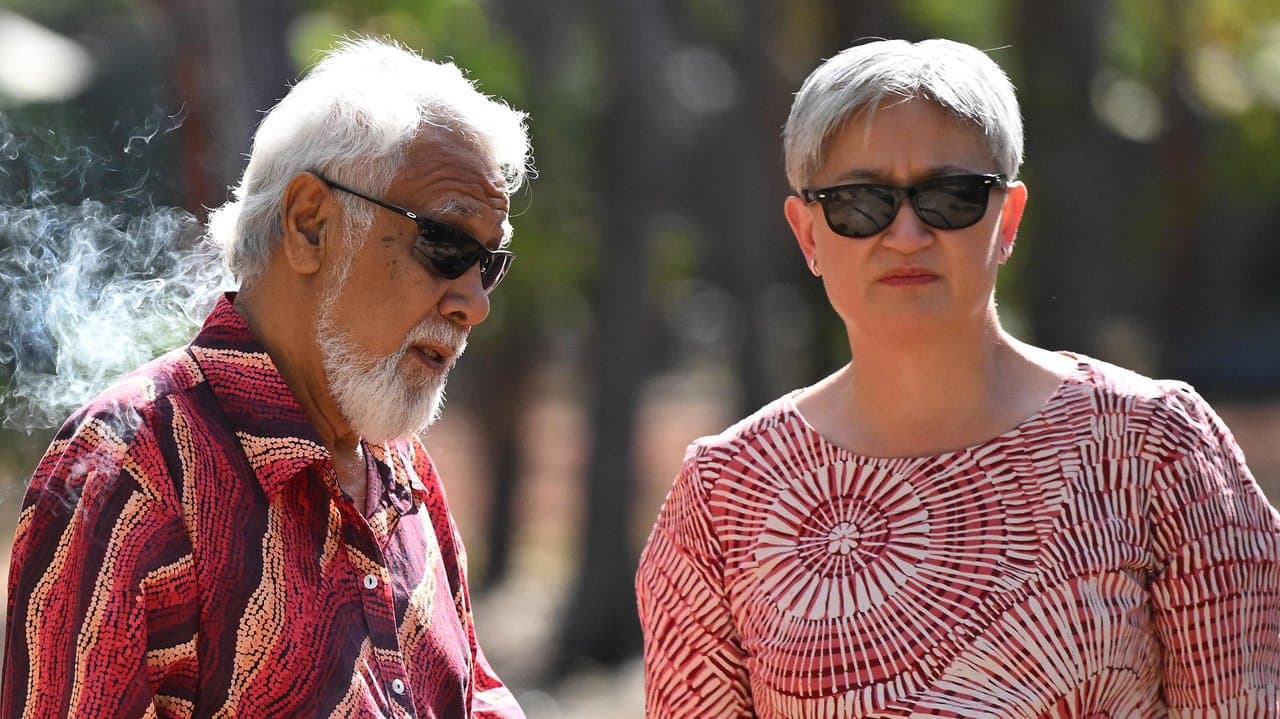
The announcement was delivered to an audience including senior ministers Penny Wong, Malarndirri McCarthy and Jason Clare, and Pacific leaders such as Timor-Leste Prime Minister Kay Rala Xanana Gusmão.
The move cements a new Aboriginal authority in one of Australia's most symbolically important regions and signals a fresh push for self-determination on Yolngu terms.
Mr Yunupingu, one of Australia’s most important Aboriginal cultural Elders and leader of the Yothu Yindi Foundation, cast Garma as a place for resetting, renewal and identifying the next generation of Indigenous leaders.
He tied the new council directly to Yolngu law, ancestral obligation and an unbroken connection to Country.
“We own the sea, the islands, the waters, the trees, the wind, the plants and the animals - they are all part of us and we are part of them,” he said.
“The land and everything in it cannot be separated from us. The land is a part of us and we are of the land. Always was, always will be.”
As news of the announcement spread, Senator Wong used her address to draw a contrast with those she suggested were trying to divide Australians.
“At a time when there are those who seek to set us apart, First Nations peoples, with your generosity, remind us our many different stories brought together make us stronger,” she told the forum.
“We are not a monoculture and we have never been.”
Mr Yunupingu framed the creation of the Dilak Land Council as another expression of ancestral duty to protect land, people and culture, while insisting Yolngu wanted development and opportunity on their own terms.
“We build houses. We build roads,” he said.
“We have tourism at Bawaka and Banubanu and it is my dream that there will be a five-star resort on this beautiful Country.
“We have schools that are teaching our young people. We have a Garma Institute that will be our own university."
But Mr Ryan said the Northern Land Council - which has long represented Traditional Owners across the Top End - was not given advance detail about the new body.
He said there had been “a lot of rumours circulating” ahead of Garma but no formal briefing, describing Saturday’s announcement as a surprise felt “right across” the Territory and on Aboriginal land.
“Certainly the announcement here today probably shocked everyone right across, I suppose, Australia - particularly in the Northern Territory and out on Country," he told reporters on Saturday.
Mr Ryan said he hoped to sit down with the new council for “a serious conversation” about how they could work together on land tenure and economic development.
He said his priority was to support Traditional Owners to find common ground with the Dilak Land Council.
“We want to work with the Traditional Owners,” he said.
“Hopefully we can have a better relationship … and we want to invite the Dilak Council to meet with us and have a serious conversation.”
Mr Yunupingu thanked the Northern Land Council and Mr Ryan for protecting Yolngu interests and standing with them as they prepared for the transition.


