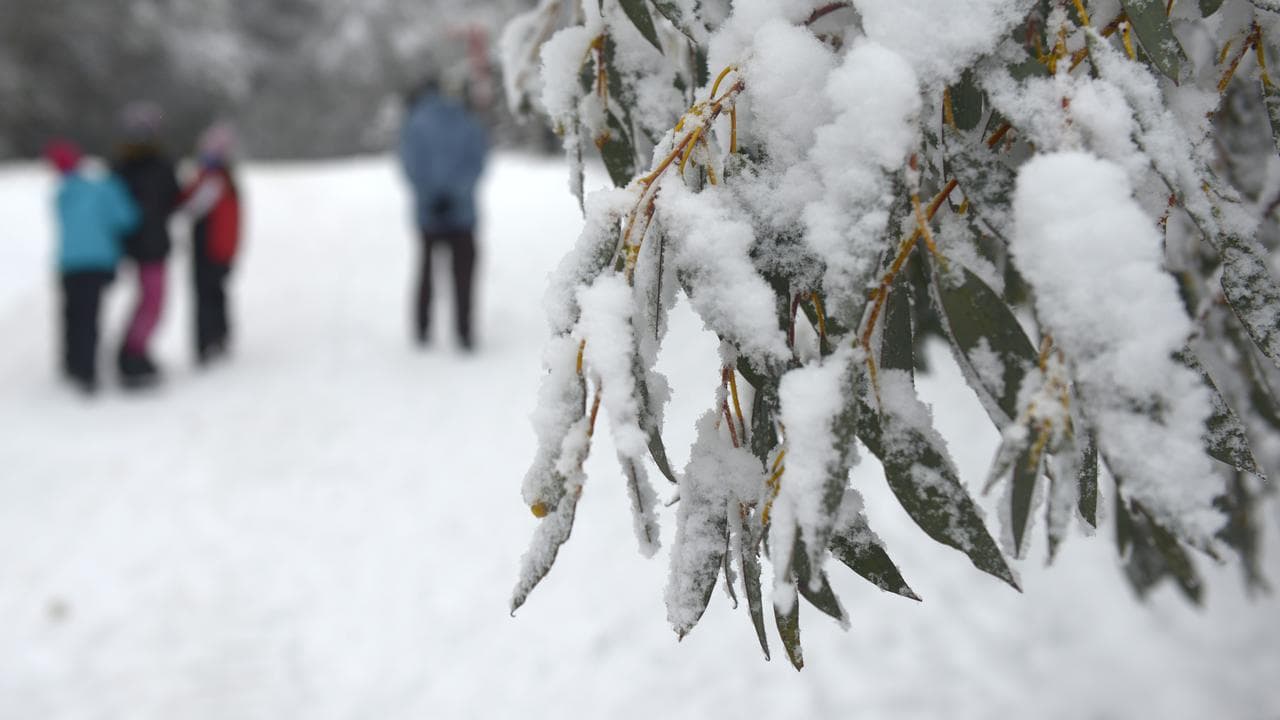
Some in waterproof boots, some in snowshoes, some perhaps on skis, small but hardy bands of concerned citizens are on the march.
Hundreds are expected to embark on a series of treks into the wintry Australian Alps in August to conduct health checks.
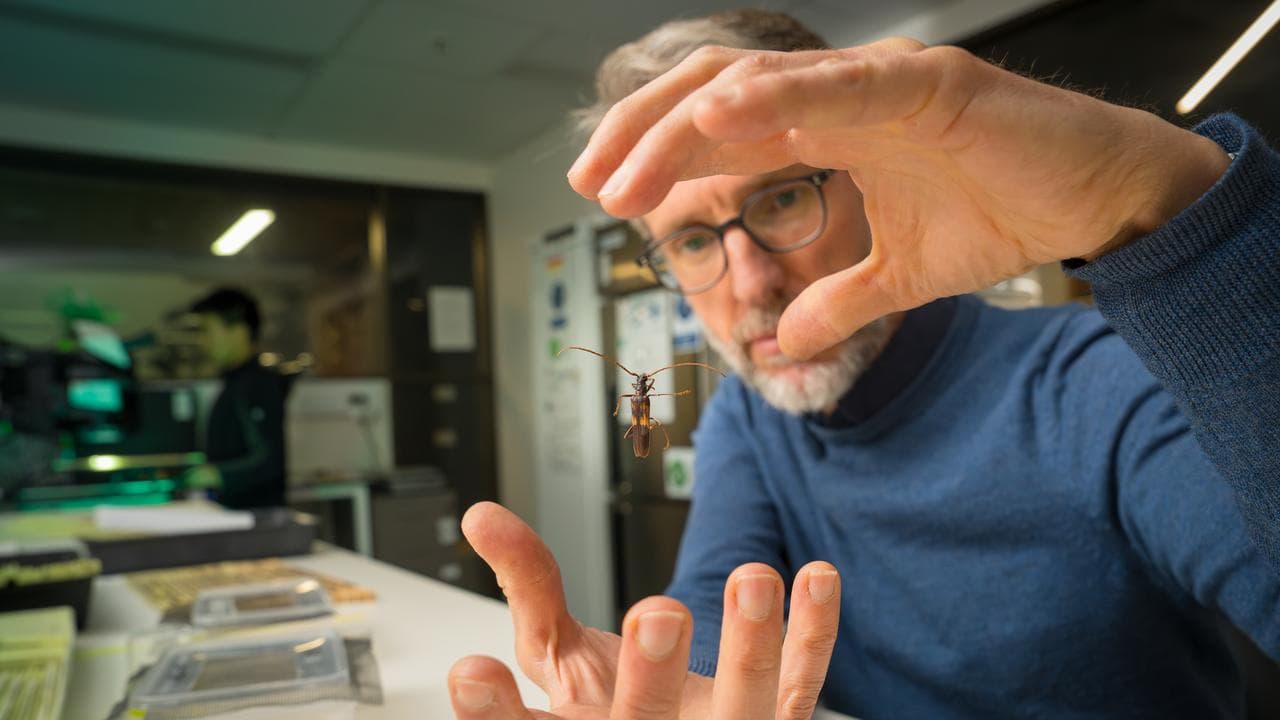
Their patients are besieged snow gums, weakened by climate change and under sustained attack from native wood-boring longicorn beetles.
Localised dieback of Eucalyptus pauciflora was first discovered within Kosciuszko National Park in the 1990s.
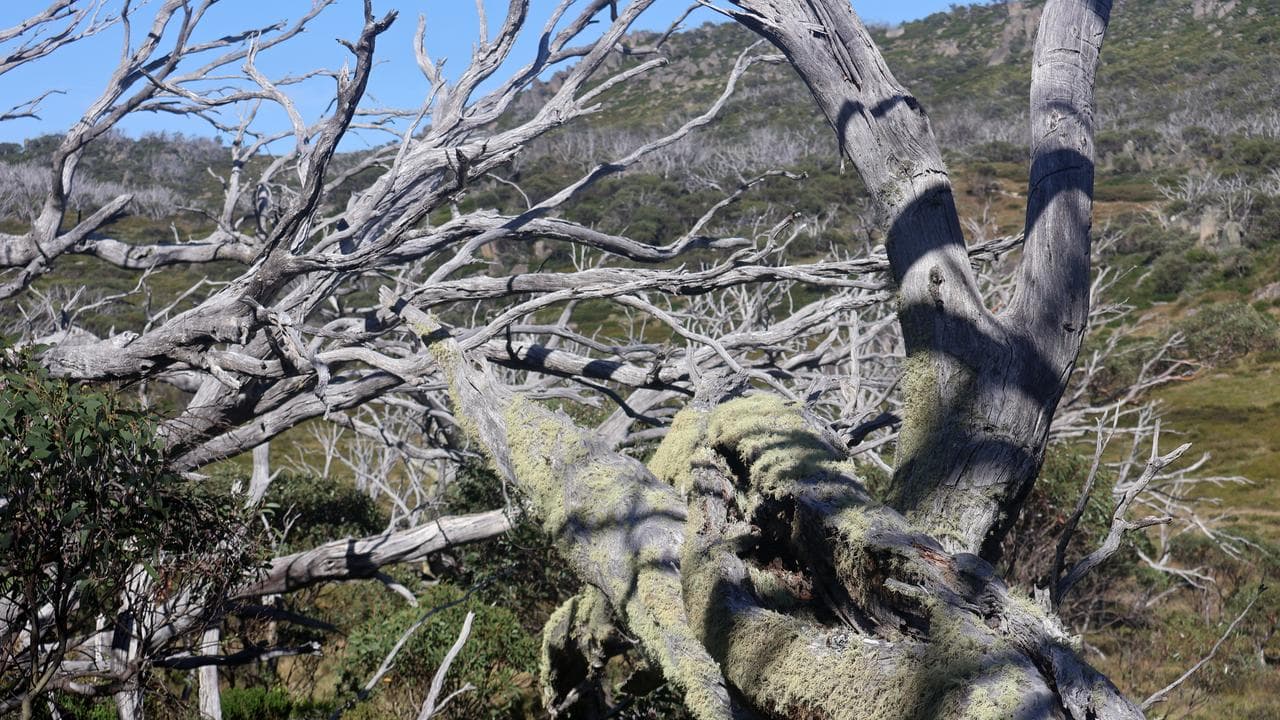
However, more widespread damage along with the confirmed identity of the culprit has come to recent notice following the catastrophic Black Summer fires of 2019-20.
The gums are now in steep decline across every subalpine habitat from Mt Buffalo in Victoria to Kosciuszko and the ACT's Brindabella Range.
The dieback is palpable and a threat to Australia's entire range of snow gum forest between 1600m and 1900m above sea level.
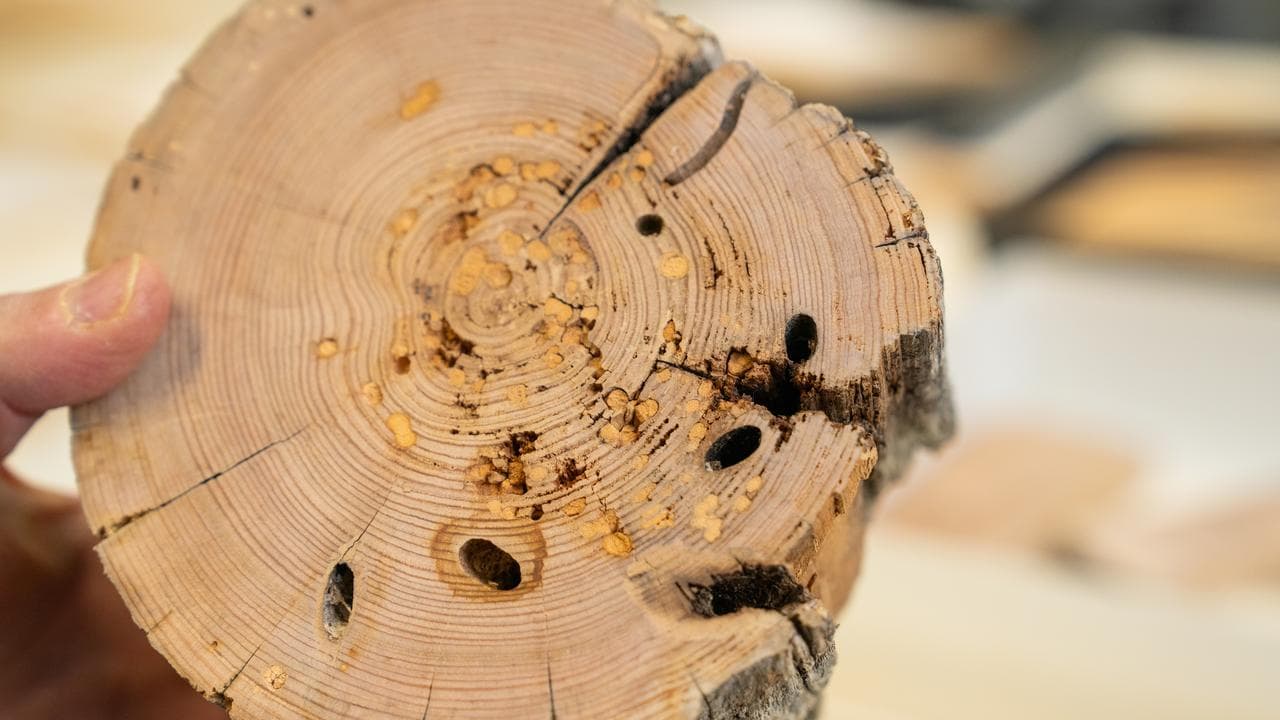
Typically, the trees are devoured top-to-bottom as beetle larvae penetrate their bark and feed on the 'veins' and 'arteries' they use to transport water and nutrients to and from the soil.
By the time tell-tale ringbarking scars reveal themselves, the gums are already dead or dying.
“Snow gums are the iconic trees that make Australia’s high country globally unique and we could lose them within our lifetime," according to Friends of the Earth's Anna Langford.
"It’s time for the federal government to commit to protecting them for their irreplaceable role in sustaining tourism and biodiversity."
The network of environmental groups is co-ordinating the citizen science events to map the health status of the gums at 20 or more snow sport locations.
The effort is part of a campaign to have Eucalyptus pauciflora listed as threatened under federal environment law.
The government needed to develop a robust recovery plan to give the gums a fighting chance, Ms Langford said.
For Australian National University lecturer Matthew Brookhouse, the dieback caused by the beetles is no minor issue playing out locally.
"The insects hit these trees again and again until they die," Dr Brookhouse recently said.
"At higher elevations these are the only trees that can survive the harsh conditions, so that puts everything that depends on them in danger as well.”
Minus the gums, the alps are left susceptible to indiscriminate water run-off.
Less water directed into the waterway system stretching from the high country to the mouth of the Murray River in South Australia would drastically impact food production and wildlife abundance.
It's hoped a listing under Australia’s Environment Protection and Biodiversity Conservation Act would enable national co-ordination to halt the problem and boost funding for research.
Supporters are being asked to sign an open letter to federal Environment Minister Murray Watt, with the application being lodged in March 2027.
They are also encouraged to post a photo of a snow gum to social media platforms and tag both the minister and Friends of the Earth.
Meanwhile, an online information session is being held for potential survey organisers to outline the methodology involved.
The events each last a couple of hours and involve recording the health of individual trees. Taking part requires no experience.
"The enthusiasm of hundreds of participants demonstrates the deep cultural value snow gums hold for many Australians," Ms Langford said.
The events are being held throughout August at locations including Mt Baw Baw, Mt Feathertop, the Bogong High Plains, Falls Creek, Mt Stirling, Lake Mountain, Mt Torbrek, Mt Macedon and at Mt Hotham.


