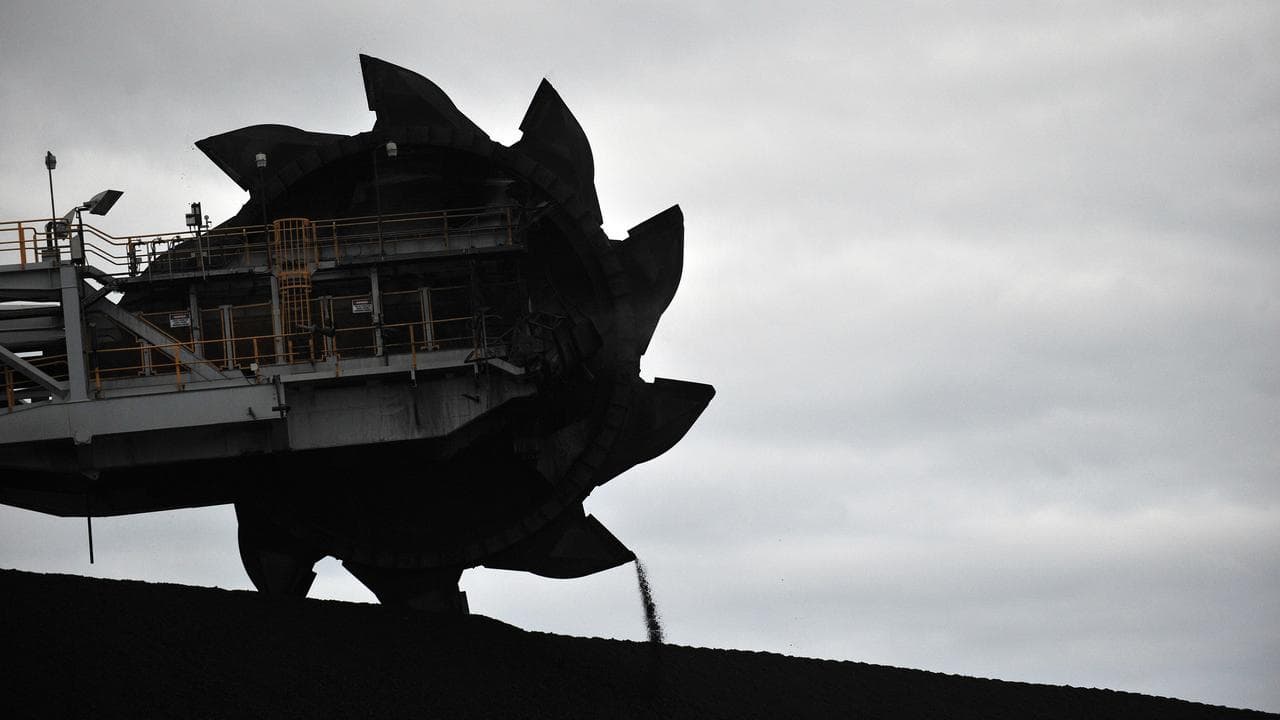
A scathing coal sector audit dismissed by industry shows mining destroys any chance of a safe climate future, environmentalists say.
The independent NSW Net Zero Commission on Friday found extending or expanding coal mines would be inconsistent with legislated climate targets, due to on-site emissions.
It also noted not all mines were using existing technology to reduce emissions.
That was backed by a separate and independent report showing six high-emissions mines accounted for 50 per cent of coal industry emissions and six per cent of the state's overall greenhouse gas budget.
That is despite the mines delivering less than 10 per cent of NSW's annual coal output.
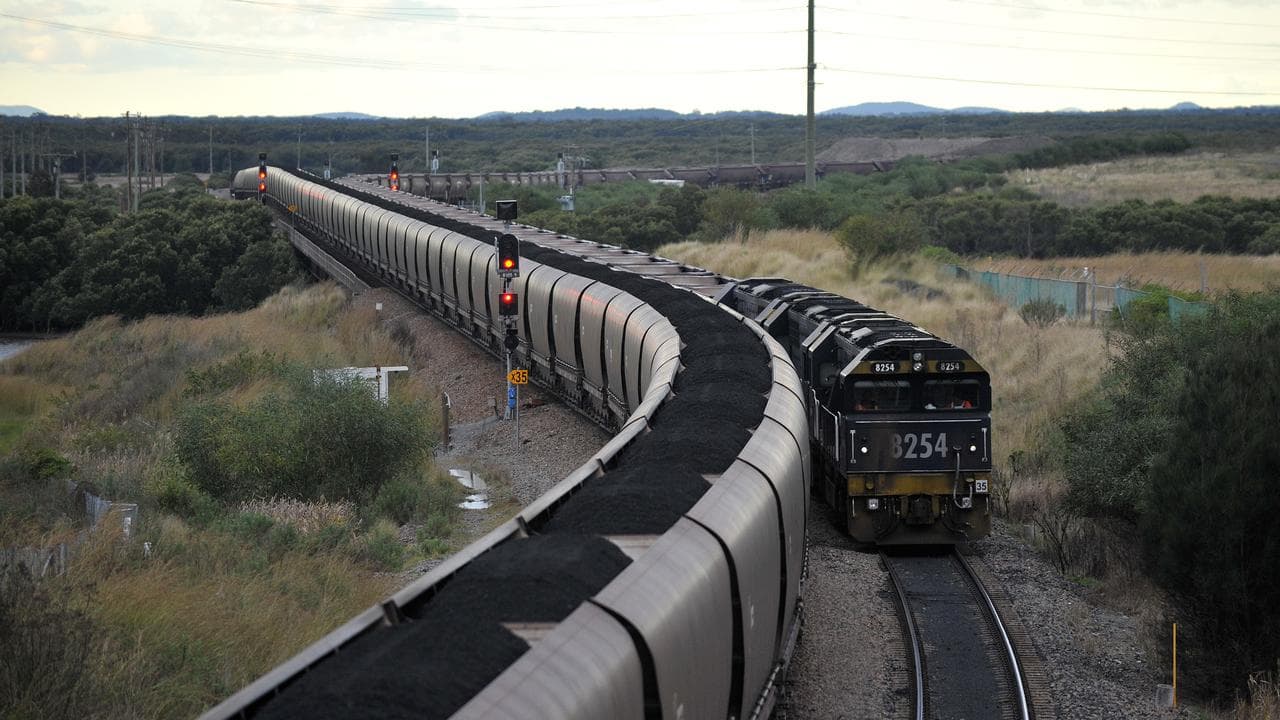
Australia has the third largest reserves of coal in the world and is the globe's second largest exporter, with more international coal passing through Newcastle than any other single port worldwide.
But the NSW Minerals Council launched an impassioned defence of the industry, arguing it had been "singled out" and jobs would be lost if coal mines were not extended or expanded.
“(The net zero report) is flawed and superficial ... the recommendation in relation to extensions of coal mining operations put thousands of jobs at risk,” chief executive Stephen Galilee told a parliamentary inquiry into fossil fuel sector emissions.
Nature Conservation Council chief executive Jacqui Mumford said the report was "incontrovertible" and showed targets would not be met while coal projects were approved.
“The audit of coal mining clarifies with scientific precision what should already be obvious: coal mining is incompatible with a safe climate future,” she said.
"The report reveals that methane leaks in coal mines have been left unchecked, pouring pollution into the atmosphere and undermining the efforts in every other sector in NSW."
The net zero commission has repeatedly stated NSW is not on track to meet legislated targets for both 2030 and 2035.
Methane, which accounts for more than a quarter of NSW emissions, is the biggest greenhouse gas contributor from coalmines via its release from coal seams.
Climate advisory group Common Capital, which examined which mines emitted the most methane, said there were two key opportunities to reduce coal sector emissions and close the emissions gap in NSW.
“(They are) driving abatement at the six most emissions-intensive mines and managing the approval of coalmine projects already included in NSW emissions projections,” the Common Capital report says.
“This would nearly close the projected emissions gap in 2030 and reduce the 2035 gap by a third."
Pressed on why the six mines could not do more to abate emissions, Mr Galilee said they had put in a lot of effort to achieve gains to date.
“They're the ones leading the way in terms of gas drainage efficiency and making sure they are abating as much methane as possible from their mine,” he said.
The sector had already done plenty of abatement work targeting methane, enabling a 45 per cent drop in their emissions since 2005, the council said.
The commission notes 87 per cent of NSW coal is exported.
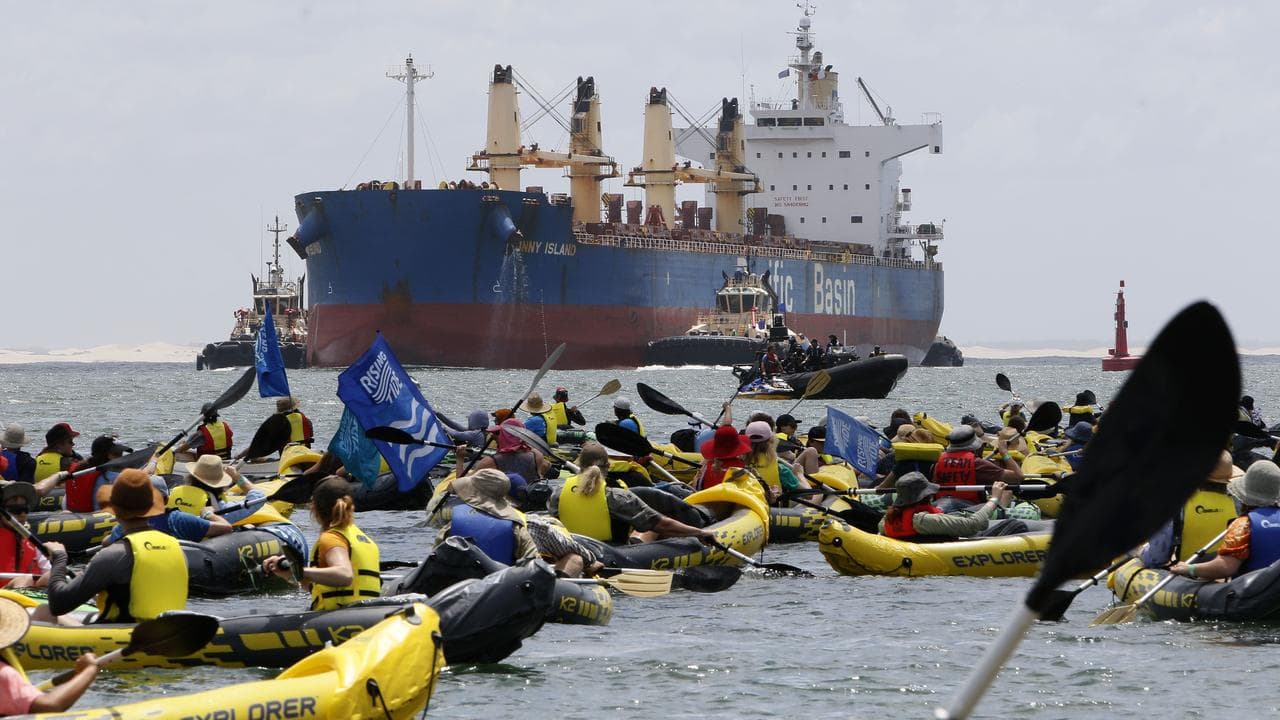
It is the coal industry's second foray into the spotlight in as many weeks, after environmentalists blockaded the Port of Newcastle and some boarded coal loaders in a weekend of action.
More than 140 people were arrested in the Rising Tide protest in late November.


