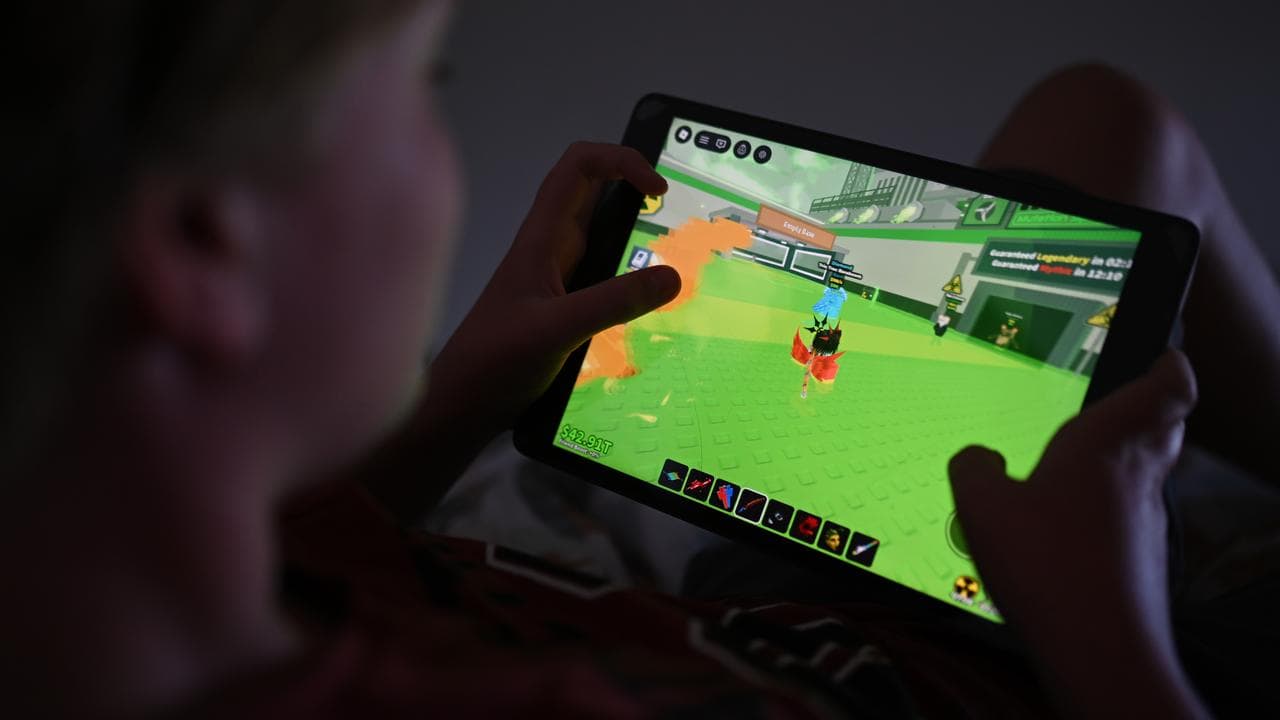
Violent video games don't encourage violence - people do.
That makes it worth asking whether we should lump those game in with social media when cracking down on online harms, a panel of senators examining radicalisation has heard.
At hearings in Canberra on Monday, one expert discussed an Australian-made World War II game portraying the Nazis as the heroes, promoted by extremist groups but available in mainstream stores.
"In terms of radicalisation, it's a Trojan horse," Deakin University Associate Professor Helen Young told the senators.
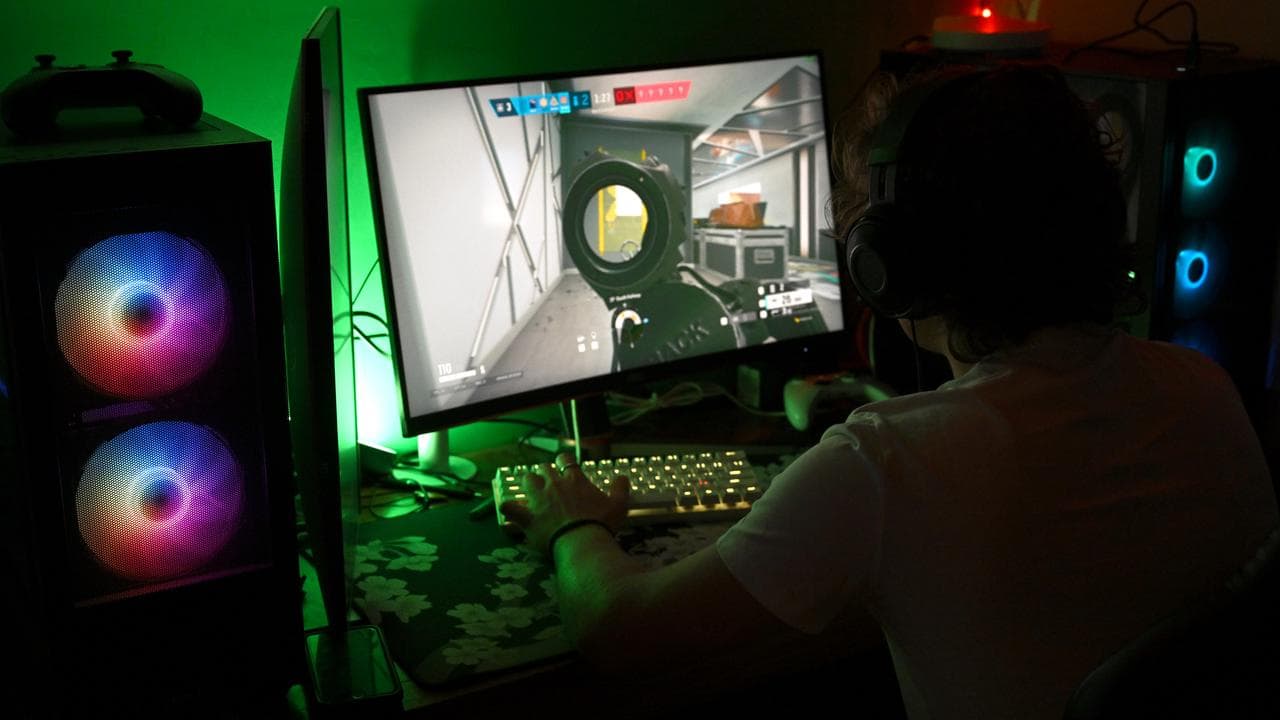
"Video gaming has really strong social and cultural elements ... you form connections, you make friends, you become part of online communities.
"And that's great as long as those communities are not extremist."
Video games are excluded from a ban on under-16s using social media, but will be required to prevent minors accessing extremist content under Labor's looming Digital Duty of Care.
"There seems to be a bit of siloing," Assoc Prof Young said.
She reiterated decades of research had failed to unearth a direct link between video games and violence.
"If you take a purely securitised approach, you end up stigmatising the communities you're trying to work with," she said.
"If you position video gaming in a negative way, that puts the industry offside as well as gamers. What's required is ... support for prevention initiatives, bringing gamers into these kind of conversations."
Previous speakers had relayed examples of games being deployed to lure people down extremist rabbit holes, such as al-Qaeda spoofing racing game Need for Speed and first-person shooter Call of Duty.
"Think of the gaming platform as a befriending platform," Charles Sturt University lecturer Samantha Jones said, describing how radicals build trust among uninitiated gamers before radicalising them elsewhere.
"Roblox, for instance, has been marketed for children, but there are a lot of gaming areas within Roblox that actually represent Salafi Jihadists, neo-Nazis, the Holocaust, and it's actually training individuals in terms of the ideology as well as partaking in violence."
Roblox toughened its safety features to protect kids from grooming and sexual exploitation after the federal eSafety commissioner in August told it to clean up its act.
Combating radicalisation required attacking social media's business model and minimising kids' screen time, according to national security expert James Mortensen, who said children now spent barely any time in the real world.
"Kangaroos and roadworks are important to road safety, but we're in a society of kids that are car surfing," Dr Mortensen told the senators.
"The sheer amount of time that (bad actors) have access to our young people for - it is greater than the parents of these children have access to them for, it's greater than the educators.
"Out attack surface is too big."
Social media was so all-consuming that regulating it had taken on a new and frightening importance, he said.
"That is just the nuts and bolts of their life, their consciousness ... we are regulating social mores.
"I think that's a pretty slippery slope."


