
A government's move to end a 10-year moratorium on fracking in a sensitive coastal region will put farm land and water systems at risk, opponents say.
South Australian Premier Peter Malinauskas said potential future gas resources should not be unnecessarily ruled out as the nation faced increasing pressure on domestic gas supply.
He announced on Thursday his government would introduce legislation to remove the moratorium on hydraulic fracture stimulation in the Limestone Coast region.

“It is my firm view that science and economics should dictate energy policy, not politics,” he said.
The temporary ban was imposed in 2018 by the then-Liberal government in response to community concern over environmental risks to agricultural land and the need to protect groundwater aquifers.
Fracking involves injecting fluids under high pressure into rock to induce fractures and allow the extraction of underground oil and natural gas.
Mt Gambier Independent MP Travis Fatchen said the move was deeply concerning and a major disappointment.
“I understand the role resources can play in the economy, but it cannot come at the expense of our farming land, water systems and the industries that have sustained this region for generations,” he said.
Mr Malinauskas had previously assured the community the moratorium would remain in place and many locals now felt that commitment had been abandoned, Mr Fatchen said.
Mr Malinauskas said the decision did not approve fracking.
“It removes a blanket ban and ensures that any future proposal must meet rigorous scientific, environmental and community scrutiny,” he said.
By acting now, the planning, technical studies and baseline environmental work needed to support regulatory assessment could begin, Mr Malinauskas said.
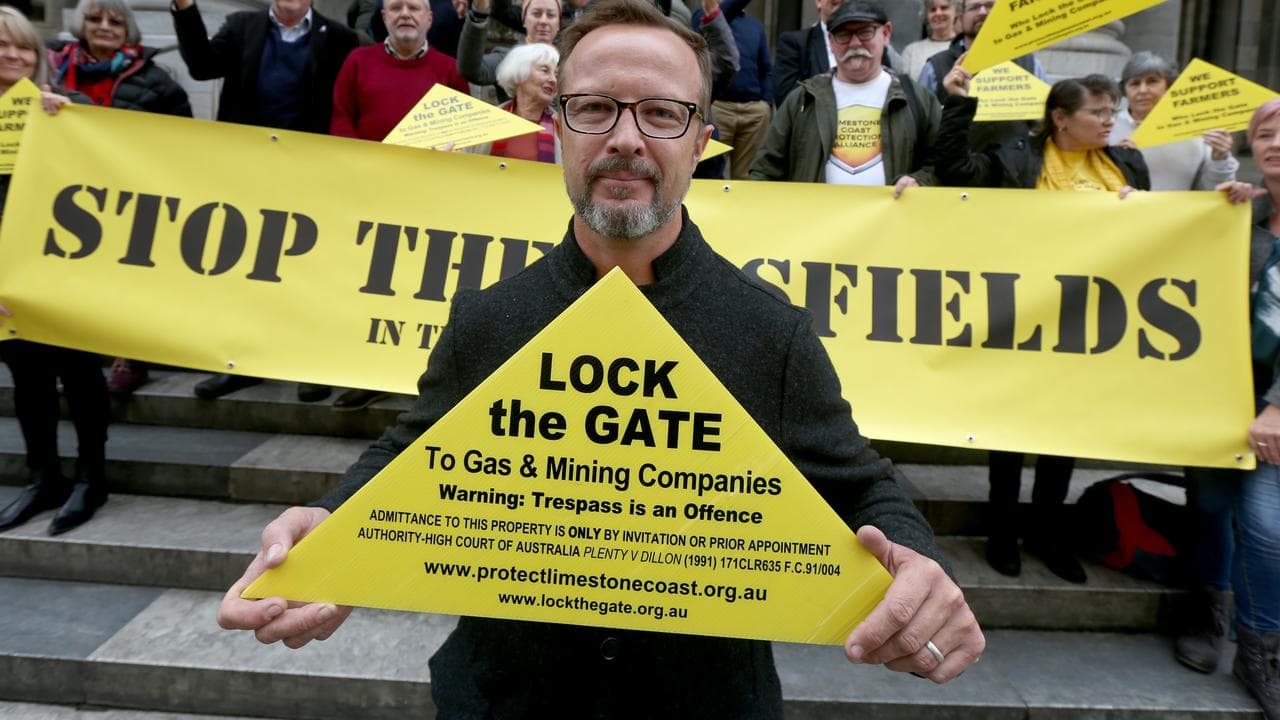
Limestone Coast Protection Alliance chair Angus Ralton, who was part of the initial campaign to halt fracking, said he was shocked by the news.
"Our aquifers are under immense pressure … Labor wants to bring the gas companies in, which will only use more water, so where's that going to come from?" he told ABC News.
The South Australian Chamber of Mines and Energy said the announcement was an important step towards restoring evidence-based policymaking and strengthening long-term energy security.
“As the east coast faces tightening gas supply, unlocking responsibly regulated local production is a practical step toward energy security and affordability,” chief executive Catherine Mooney said.
Shadow energy and mining minister Ben Hood said residents made their position clear when the moratorium was introduced and deserved to be heard again before legislation was rushed through.
“The southeast is a food bowl for the people of South Australia and its prime farming land needs to be protected,” he said.
Energy and Mining Minister Tom Koutsantonis held the same portfolio in 2018 when he said the Labor government considered fracking in the southeast to be finished as a concept.
But on Thursday, he said initiatives including the SA Strategic Gas Reserve agreement could not be pursued while the state’s gas potential was limited by a long-term decision made for purely political reasons.


