A contentious push to impose fees on information-seeking Australians appears doomed to fail as the legislation prepares to run the parliamentary gauntlet.
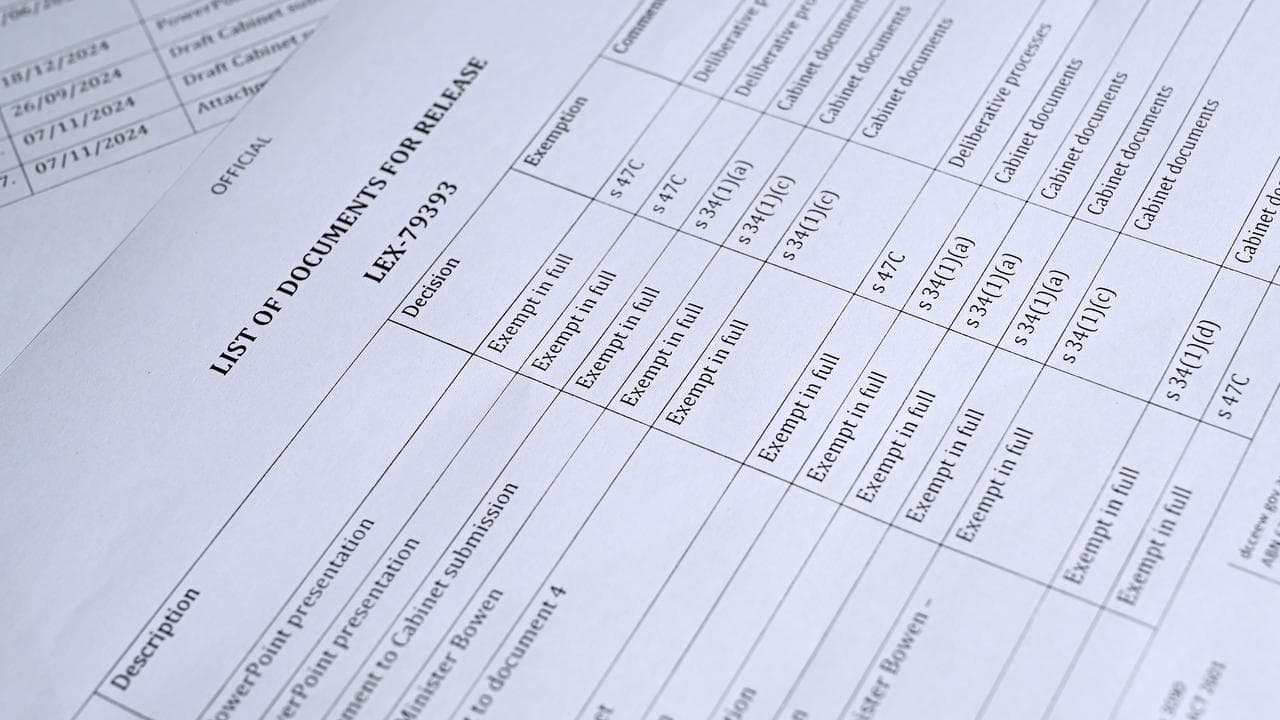
The federal government on Wednesday introduced laws in the House of Representatives to impose fees for freedom of information requests, which allow members of the public to request access to certain departmental and ministerial documents.
Attorney-General Michelle Rowland says it will modernise the FOI system and reduce vexatious and frivolous requests, which are tying up resources.
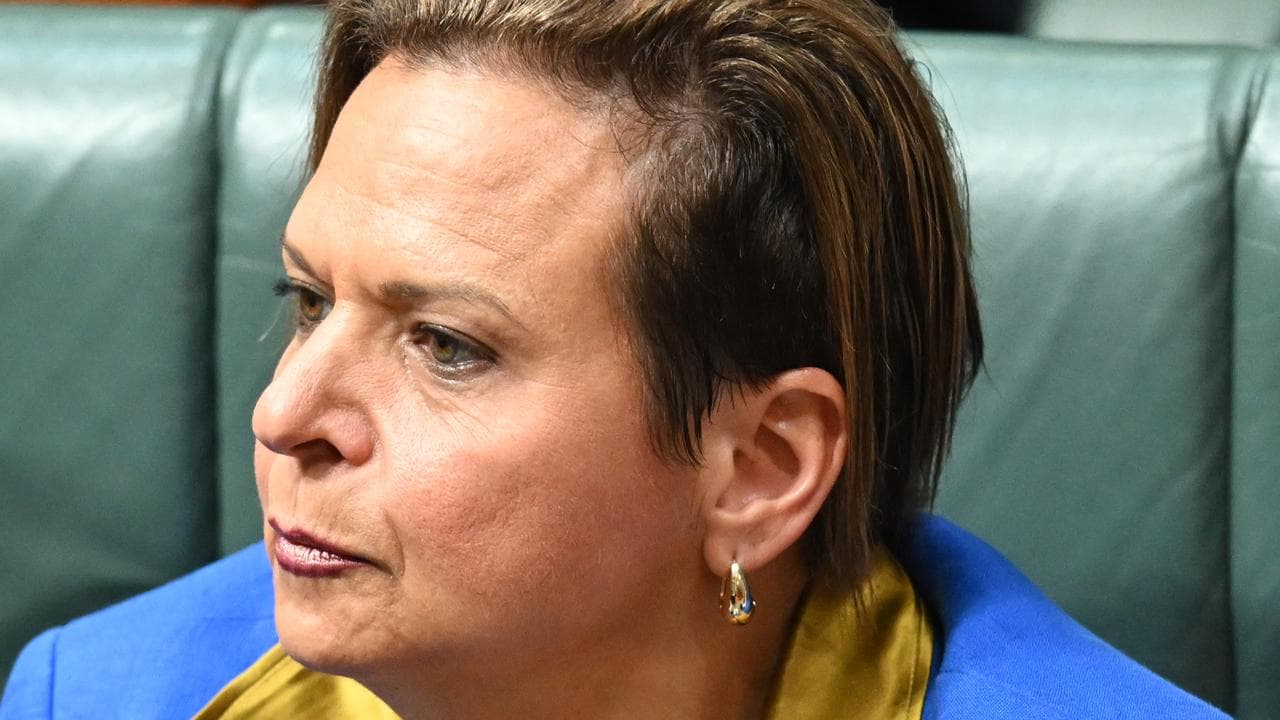
"An effective freedom of information system is critical in fostering public trust," she told the lower house chamber.
While every state and territory, except the ACT, already charges for freedom of information requests, the Commonwealth does not.
People applying for documents can be slapped with associated costs if it takes a large amount of time for public servants to trawl through documents.
The size of the fee hasn't yet been set for federal requests, but it's expected to be between $30 and $60, in line with state processes.
But the Greens and coalition have teamed up to block the bill in the upper house, over concerns it would fuel government secrecy and make information even more inaccessible.
"We're now seeing the hatches close, the lights go off, and secrecy rain in the areas that the public has every right to expect transparency and truth," Opposition Leader Sussan Ley told Nine's Today program, ahead of the bill's introduction.
The legislation is expected to be probed by a Senate inquiry, however, Ms Rowland remains confident.
"Politics is the art of the possible and the reality here is we are going to refer this to a Senate committee for debate and ventilation," she told ABC radio.
Whistleblower-turned-independent MP Andrew Wilkie said he was "not comfortable at all" with a charge being applied, however, he was willing to meet the government halfway.
"This isn't the time for a partisan response or left, right or right, wrong response, it's the time to have an intelligent discussion of this issue and work out how we modernise FOI arrangements so that we can all exercise our fundamental right to government," he told ABC radio.
"We've got to make it accessible, we've got to make it affordable, but we've got to get rid of this, this wave of - particularly AI-generated - FOI requests."
Government departments have been overrun with vexatious requests, including one organisation that used an online generator to submit 100 requests in a matter of weeks, Ms Rowland said.
The changes would also ban anonymous inquiries and strengthen application requirements to weed out frivolous requests.
There is an exemption for people seeking their personal information.


