
A man whose barrage of private prosecutions has hamstrung his local council insists he is driven by genuine concern and not grievance.
Only two councillors remain at Victoria's Hepburn Shire Council, northwest of Melbourne, after David Penman, 57, initiated legal action under rarely used private prosecution laws.
Mr Penman, who helps his daughter maintain a rental property in Hepburn, has brought charges against four councillors and the local mayor.

In Victoria, any councillor facing criminal charges must step down while the matter is dealt with in court, meaning only two of seven councillors remain active.
While core activities including bin collections and library service continue, the move has forced the council to cancel upcoming meetings.
The council says the case is undermining democracy, while the state government has expressed concerns for affected residents.
It has also sparked fears citizens with an axe to grind against local governments may spot an opportunity to frustrate council processes.
But Mr Penman has stressed his concerns are legitimate and insists private prosecutions are part of the democratic process under law.
"I'm not a sovereign citizen," he told AAP.
"What is a private prosecution if not the last line of defence in a democracy?"
His allegations largely concern the council's latest annual budget, which he claims was adopted unlawfully, without following proper processes.
Mr Penman also claimed that changes to a draft version of the budget had the effect of worsening the council's financial position.

Hepburn Shire Council, which includes the picturesque towns of Daylesford and Clunes, has pushed back against the claims, insisting independent advice has confirmed the budget is compliant.
The council said it "would like to correct commentary suggesting otherwise" in a statement shared on Wednesday.
It said the budget was developed in a challenging financial environment and is focused on long-term financial stability.
Rural Councils Victoria deputy chairwoman Kate Makin said the state government must act immediately, adding the legal loophole threatened local democracy.
"If it can happen to one council, imagine if it happened to all 79 across Victoria?
"If this happens to more councils, it will be the community that'll be hurting and it will cause absolute chaos."
Others have warned vexatious litigants, including sovereign citizens, may take inspiration from Mr Penman's actions.
Harry Hobbs, an associate law professor at the University of NSW, said so-called pseudo law adherents often look for novel legal methods to undermine council processes.
"Over the last couple of years, particularly in Victoria, but elsewhere as well, we've seen a lot of similar adherents... putting pressure on local government," he said.
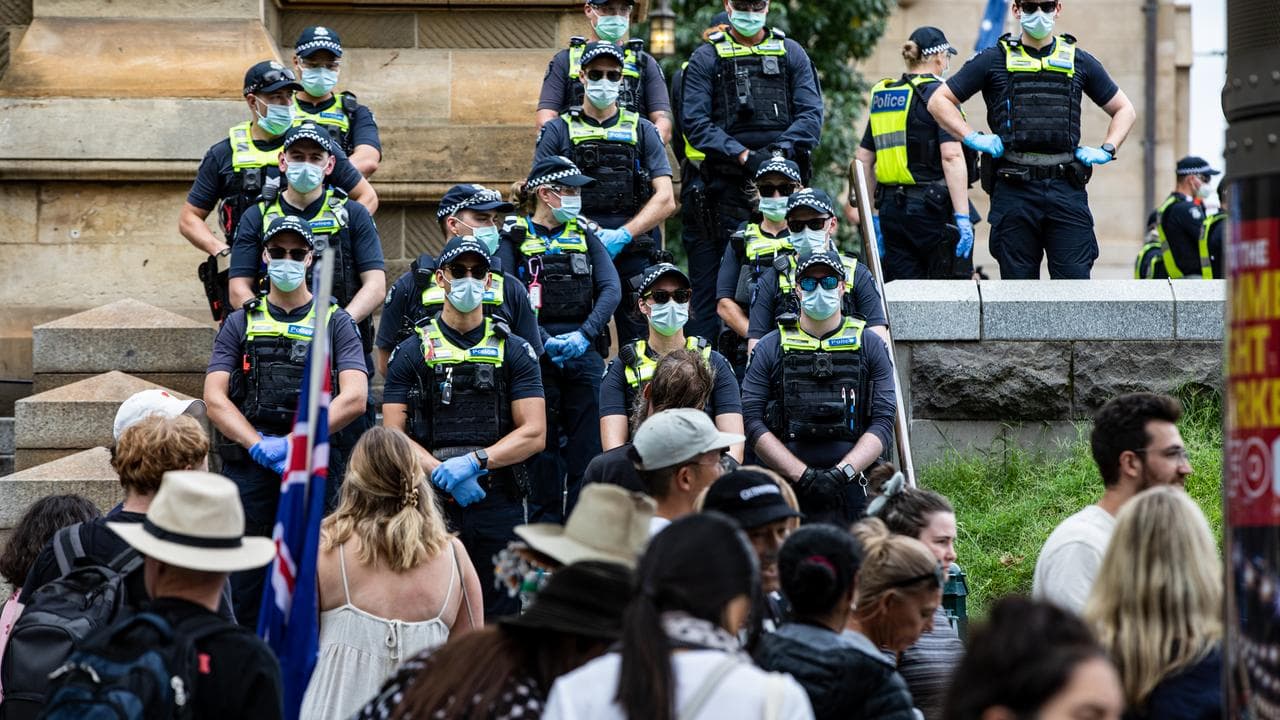
Defined broadly, sovereign citizens reject government authority and tend to subscribe to false legal arguments.
While speaking generally and not of Mr Penman's intentions, Dr Hobbs said private prosecution charges would be of obvious appeal.
"This seems to be a statutory process that is ripe for abuse," he said, adding the movement took on momentum over the COVID-19 period.
Local Government Minister Paul Hamer has brought the matter to the attention of the director of public prosecutions.
"Hepburn Shire residents deserve a council that serves them and we are very concerned about the situation unfolding," a government spokesperson said.
The Allan government has previously introduced legislation to allow councillors to continue their work while facing private prosecutions, they said.
Any individual can initiate a private criminal proceeding without the involvement of police.


