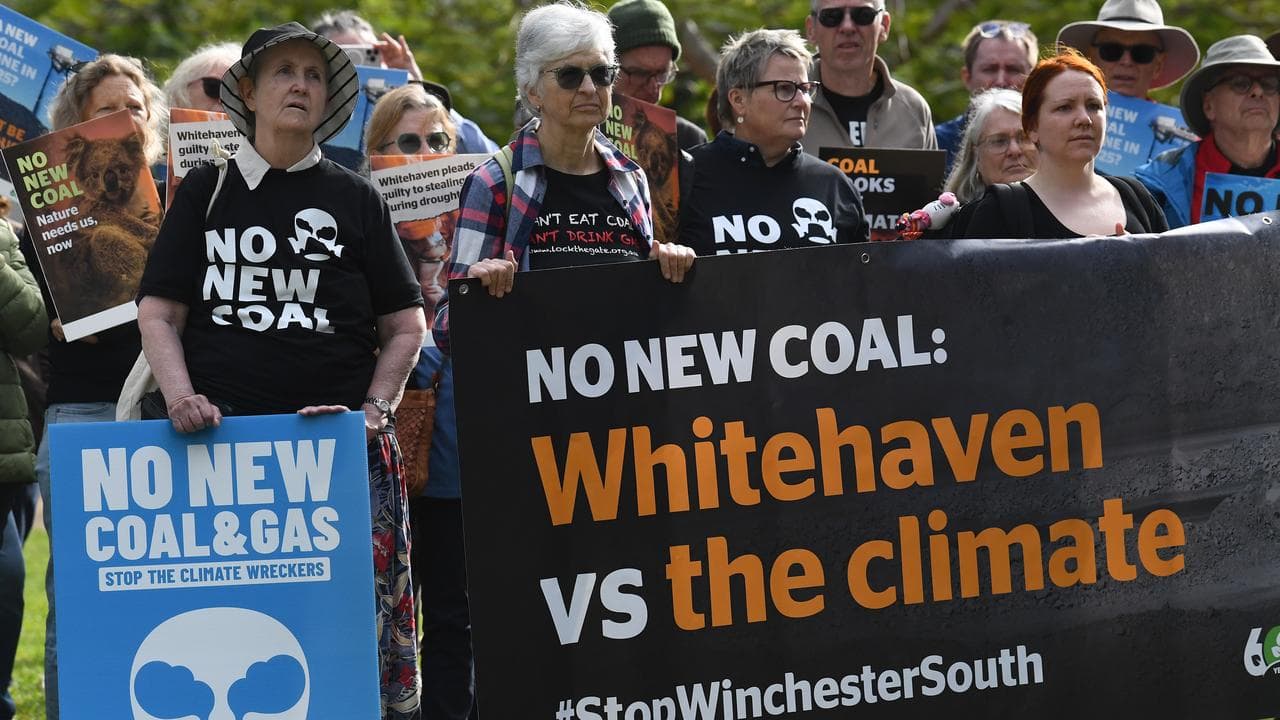
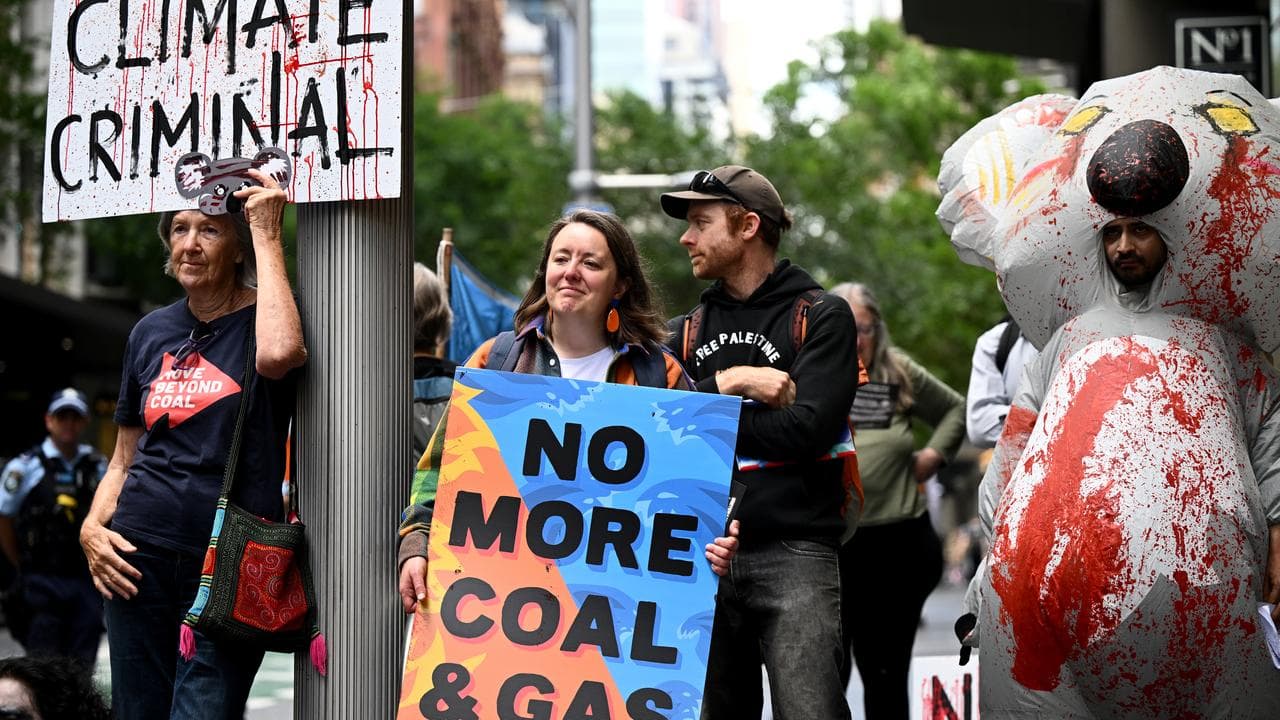
Environmentalists have failed in their legal bid to prevent the opening of a massive new coalmine.
The Queensland Land Court on Friday handed down its judgement in the challenge brought by the Australian Conservation Foundation and Mackay Conservation Group against Whitehaven Coal.
Land Court member Nicholas Loos recommended that Whitehaven's proposal for an open-cut mine in Winchester South be approved, paving the way for the company to begin extracting 17 million tonnes of coal a year from the Bowen Basin.
Whitehaven's plan also endangers some 2000 hectares of wildlife habitat that serves as a home to endangered species such as koalas and gliders.
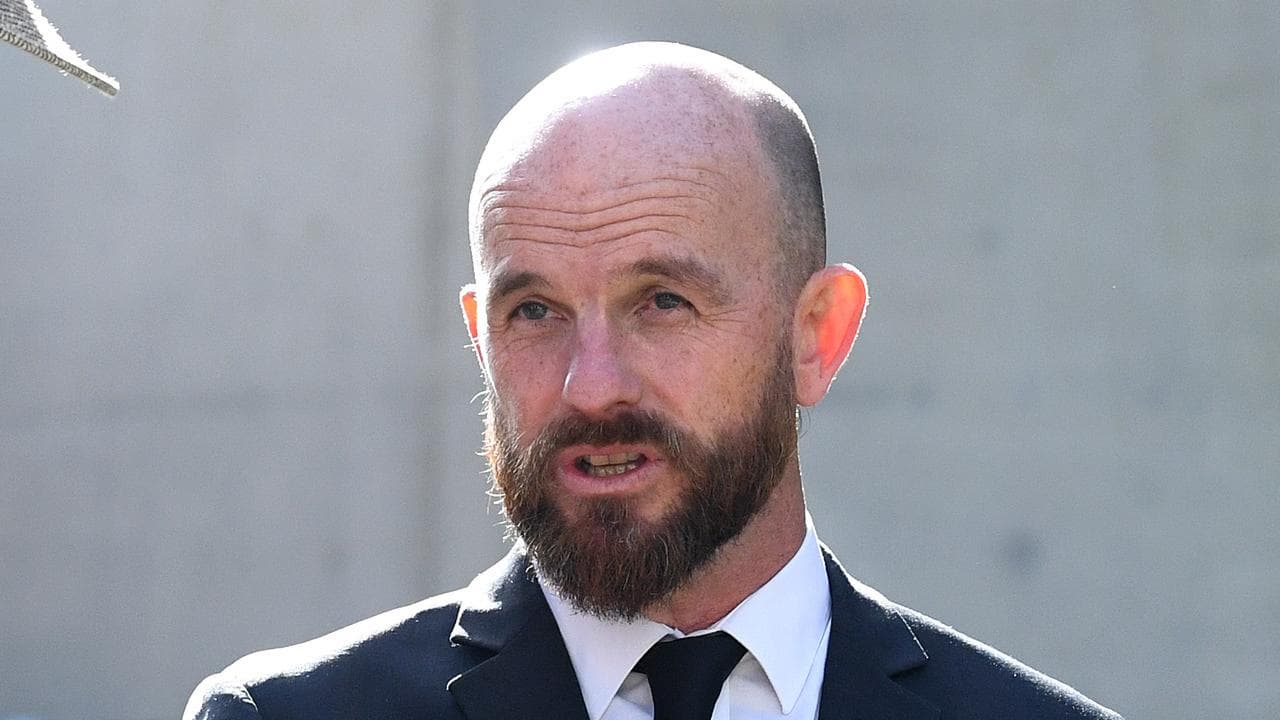
“We are disappointed with the court’s decision and are considering our options," the Australian Conservation Foundation's legal counsel Adam Beeson said.
Mr Beeson said although the result was not what they had hoped, the case had highlighted crucial concerns, including the economic viability of the mine and Whitehaven's record of breaches in NSW.
“The evidence shows there’s no market for this coal in a world with a safe climate."
The judgment forced Whitehaven to answer serious questions in court and strengthened legal arguments around climate harm, Mackay Conservation Group co-ordinator Imogen Lindenberg said.
“It showed, clearly and publicly, that communities in central Queensland are willing to stand up and challenge powerful fossil fuel companies," she said.
The court recommended that the approval come with two conditions in the form of a mineral waste management plan and ecological surveys to identify endangered wildlife in the area before construction.
Whitehaven has argued that the mine will generate hundreds of jobs and provide critical raw materials for renewable energy infrastructure.
It estimated that 11 million annual tonnes of its output would be metallurgical coal needed to fuel blast furnaces for steel production, while the rest would be thermal coal for electricity generation.
Barrister Saul Holt KC, acting for Whitehaven, told Mr Loos in his opening address the Winchester South project would bring significant economic benefits.
He said the mine had widespread community support and would bring $696 million in state royalties and 500 new jobs during construction and operations.
"It's the right project, in the right place, by the right miner at the right time," he said.
Queensland was already Australia's most climate-exposed state, Central Queensland University academic Stephen Turton said.
“Climate change is amplifying natural hazards across the state, increasing pressure on health systems, critical infrastructure, ecosystems and key industries - and pushing emergency services to their limits," the adjunct professor of environmental geography said.
“On current warming trajectories, parts of Queensland could become unliveable and uninsurable in decades, with far-reaching economic and social consequences.”


