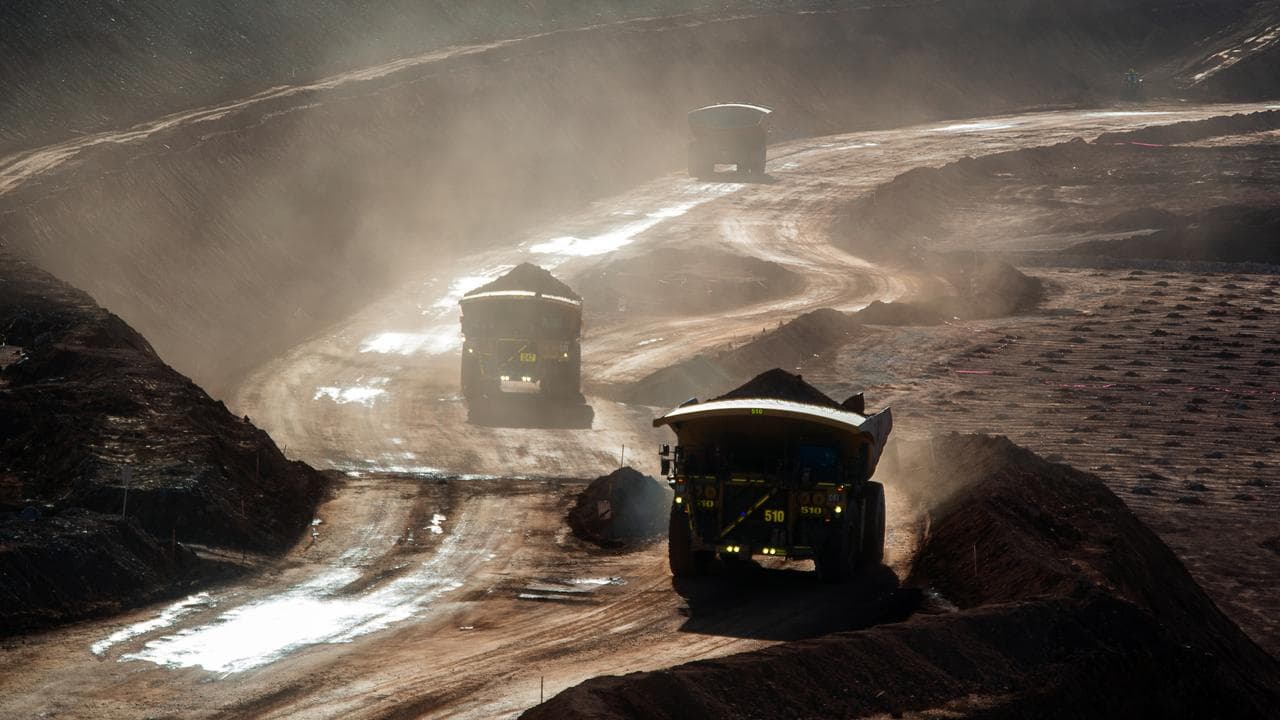
A court has overturned an Aboriginal heritage protection order stalling the development of a $1 billion gold project, with the mining sector claiming victory and urging greater government transparency.
Federal Court Justice James Stellios on Wednesday set aside the order relating to part of mining giant Regis Resources' McPhillamys Gold Project near Blayney, in central western NSW.
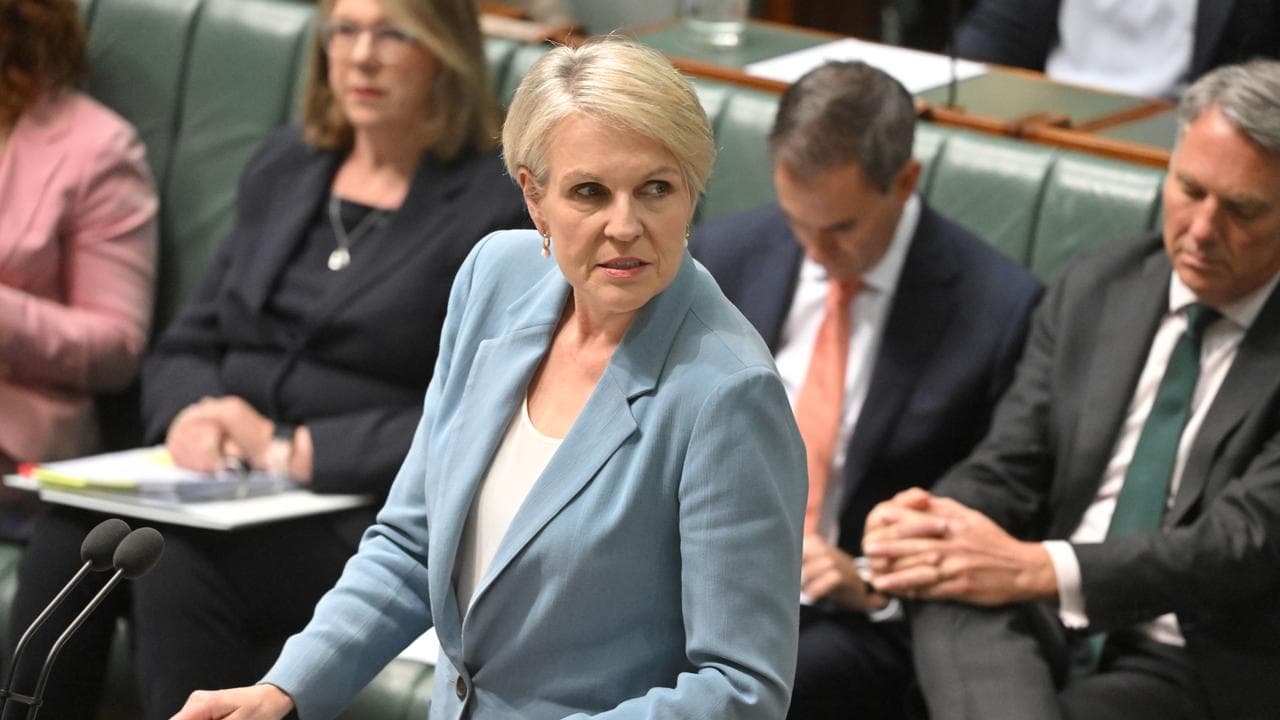
The rare order had been issued in 2024 by then federal environment minister Tanya Plibersek, rejecting the proposed site of a tailings dam in a move Regis said rendered the project unviable.
The Wiradyuri Traditional Owners Central West Aboriginal Corporation had asked the minister to protect the headwaters and the springs of the Belubula River as a site central to creation stories.
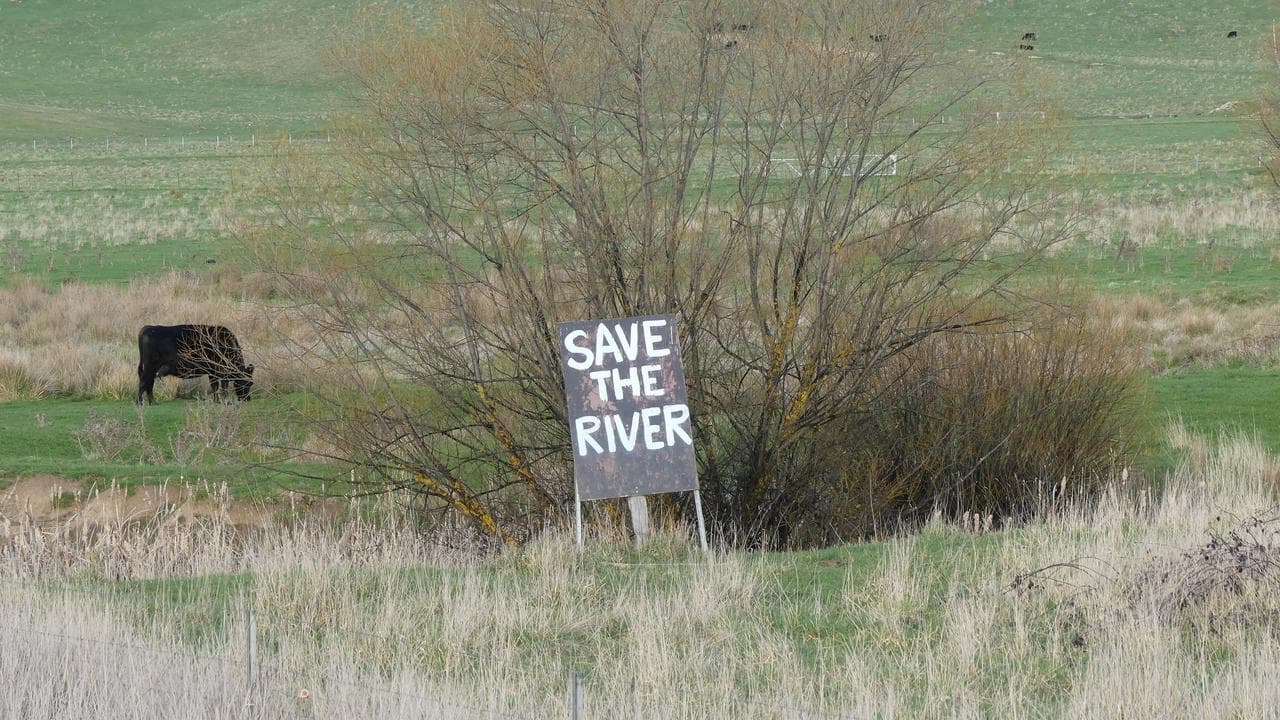
Regis Resources filed a judicial review, with the court hearing the site was linked to several Dreaming narratives including a blue banded bee story.
The Federal Court will publish its reasons on Friday afternoon, while the application for a protection order will be reconsidered by the federal government.
In an announcement to the ASX, Regis Resources said the government's redetermination could take some time and the company would proceed with existing plans to process mining waste at a different site.
But the court decision was a "significant and welcome" step forward, managing director Jim Beyer said.
"After considerable delay and uncertainty, and more than two years of time lost, we are eager to move forward," Mr Beyer said in the statement.
The Wiradyuri Traditional Owners corporation said it was disappointed by the decision, but respected the court's findings.
"The court's decision does not diminish the cultural significance of these places, nor does it alter our obligation to speak for and care for Country," the group said in a statement.
Several mining bodies and workers' groups welcomed the decision, saying it highlighted flaws in the assessment of mining developments.
"Major project decisions must be made through a process that is fair, transparent and lawful," Australian Resources and Energy Employer Association chief executive Steve Knott said in a statement.
"On McPhillamys, the court has found that standard was not met."
The last-minute protection order sparked heated debate, as the NSW Independent Planning Commission approved the mine in March 2023.
That process involved consultation with the Orange Local Aboriginal Land Council, which took a neutral position on the mine, but emphasised the importance of protecting culture and heritage.
The NSW government said the state always wanted the project to go ahead to help diversify the economy.
"Protecting Aboriginal cultural heritage and progressing key mining projects should not be a zero-sum proposition," NSW Natural Resources Minister Courtney Houssos said.
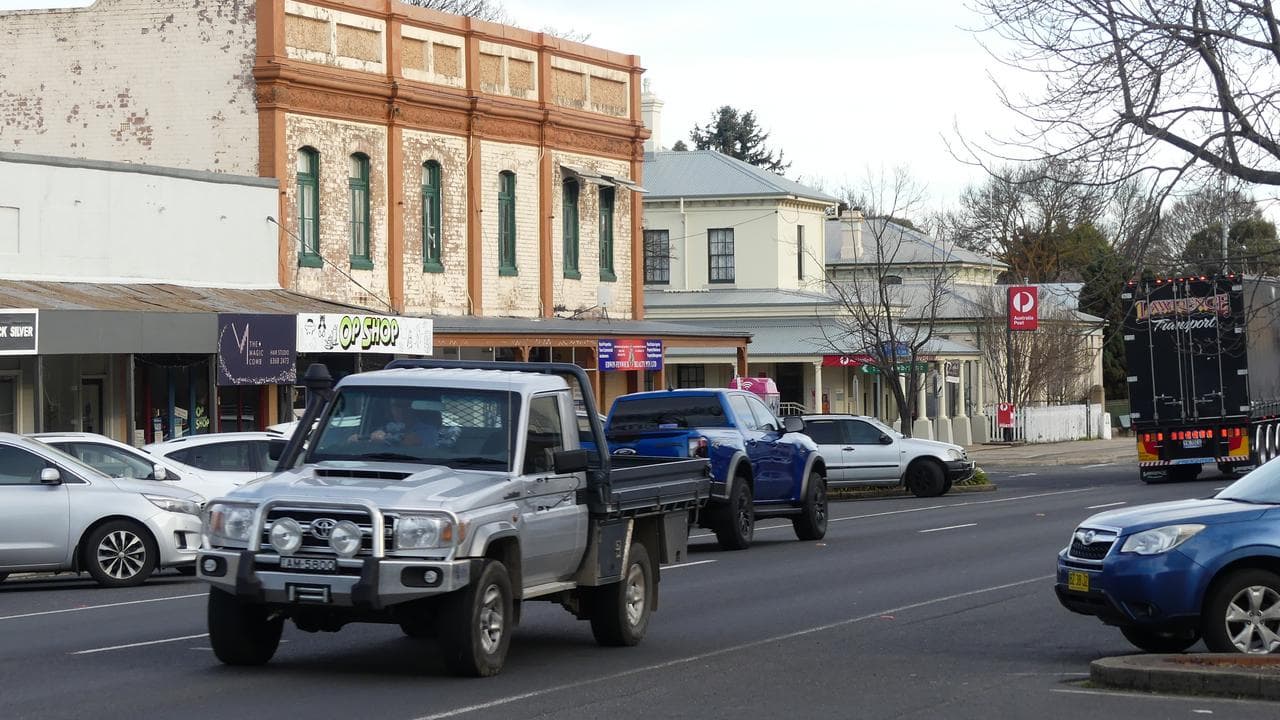
Blayney Mayor Bruce Reynolds said the town of 3000 lost up to $8 million in rates revenue while the project stalled.
The mine has long been controversial in the region, with concerns from farmers and environmentalists about land use, risks of habitat loss, possible pollution, traffic and noise.
Many other locals and community leaders have welcomed the development, in the hopes it would boost the rural economy.


