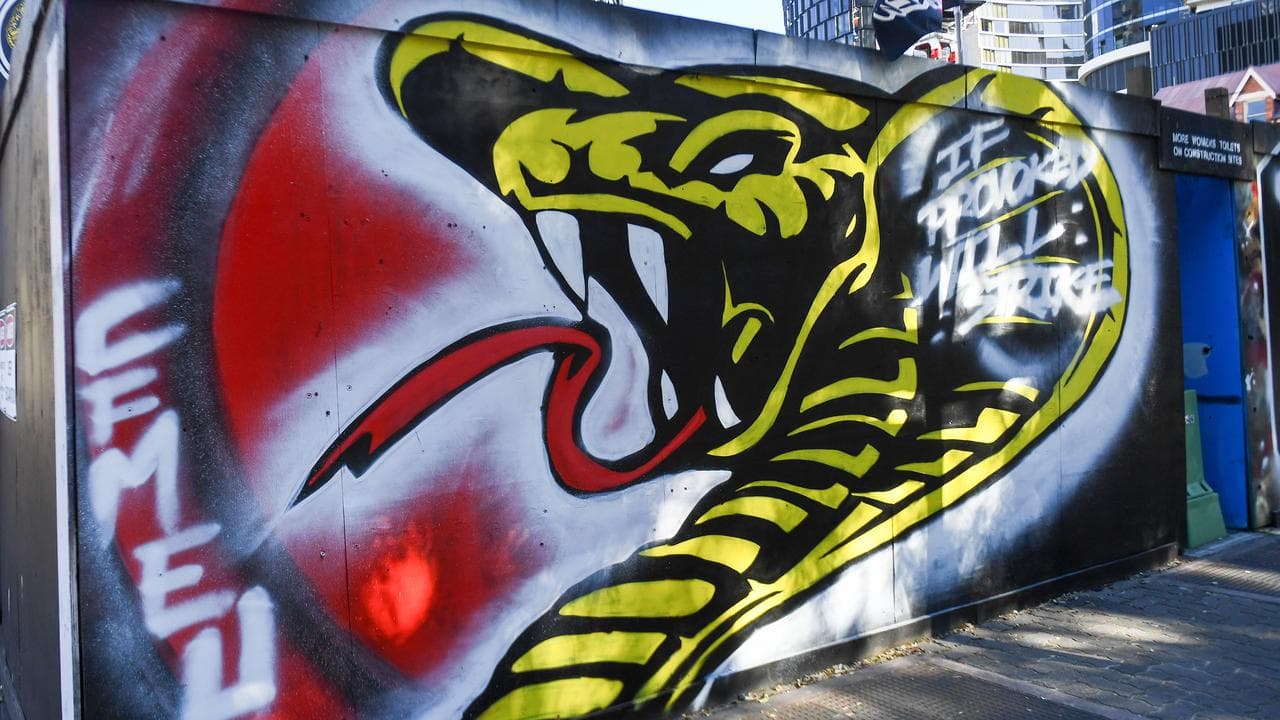
The CFMEU’s behaviour in Queensland looks less like a union and more like an organised crime outfit, two of the world’s leading criminologists say.
Professors Federico Varese and Paolo Campana say the union's alleged conduct was likely to fall within criminal governance, where a group uses fear, pressure and back‑room influence to control a market.
“The allegations concerning the union are consistent with several of these features,” Prof Varese told the Queensland Commission of Inquiry into the CFMEU on Thursday.
He said alleged extortion, threats of industrial action, control of enterprise bargaining agreements for government work and contractors paying CFMEU delegates were all examples of criminal governance.
“While this could be taken as single crimes or single unlawful behaviour, taken together they paint a picture of an entity that tries to control a market and excludes competitors, be it a competing union or some contractors,” he said.
Prof Campana said the conduct attributed to the union was likely to fall within the domain of criminal governance, based on the materials placed before him.
He said the material disclosed what appeared to be sustained union attempts to regulate and govern both the construction services market and the labour market through coercive means.
The CFMEU appeared to have power over workers, contractors and regulatory bodies, including the police, showing how far its alleged reach extended beyond the building site, Prof Campana said.
“Criminal governance is not just about one aspect, but it extends beyond the site, or the construction site, to other bodies, so these are obviously a highly significant aspect, because it shows the ramification of these activities,” he said.
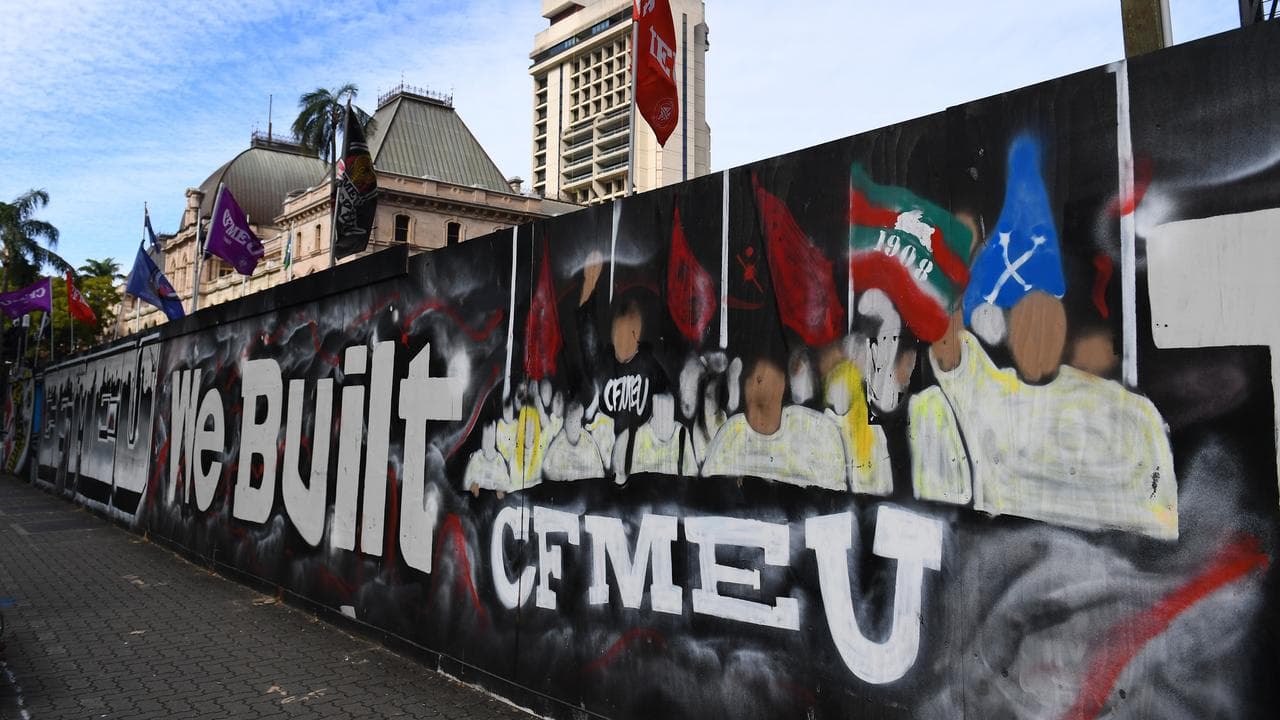
He said evidence of an alleged memorandum of understanding where police would not show up at certain sites, and builders’ calls about union officials went unanswered, would, if established, be a serious sign of criminal governance.
The inquiry also heard allegations the union used outlaw motorcycle gang members, convicted offenders and other intimidating figures as muscle to threaten workers and contractors.
The experts said that mix of fear, control over who works where, and influence over public officials was typical of how organised crime operates.
Both professors stressed they were relying on allegations only and had not made findings of fact, saying it would be up to the commission to decide claims against the CFMEU were proved.
The inquiry, which has heard extensive allegations of criminality and misconduct in Queensland's construction industry, has been extended until December.


