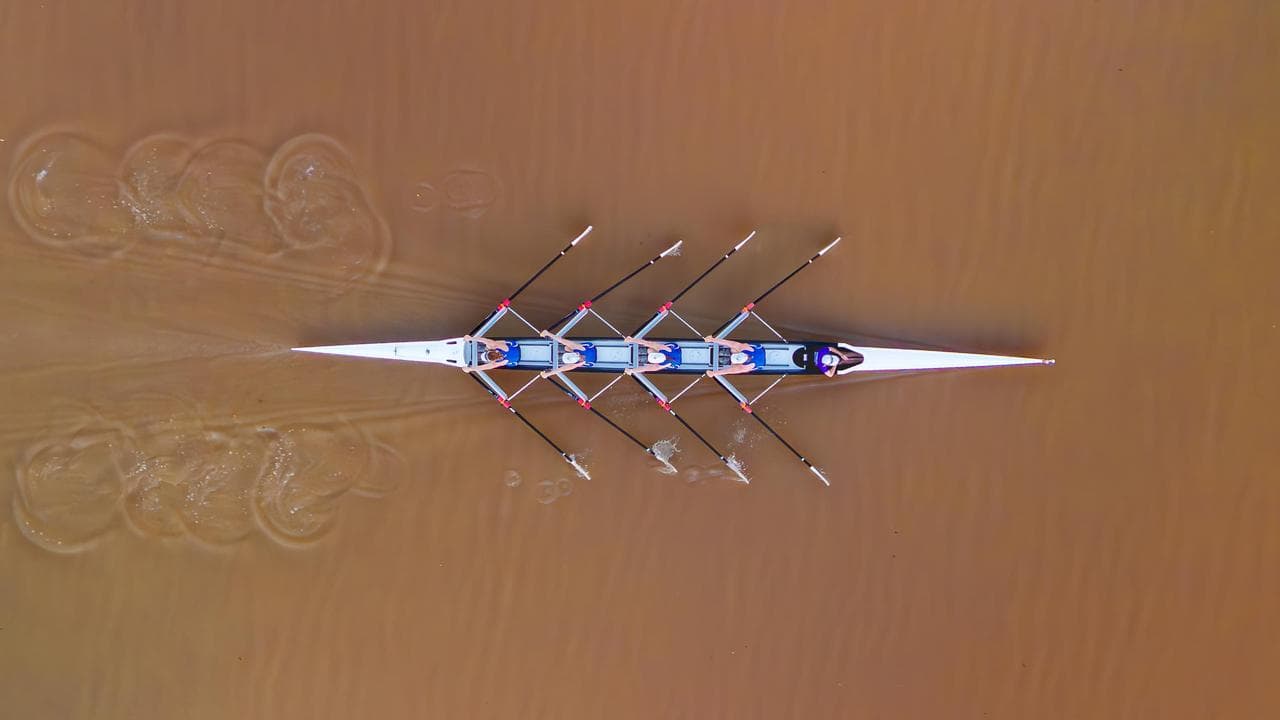
Olympians have been warned they will need to be "croc-wise" after a regional river was officially snapped up as the Brisbane 2032 rowing venue.
But competitors should not worry about crocodile attacks on central Queensland's Fitzroy River during the Games, an expert says.
The Rockhampton site was officially given the green light for 2032 after passing an independent technical assessment "with flying colours", ending months of debate.
"It's official - signed, sealed and delivered," Premier David Crisafulli told parliament on Thursday.
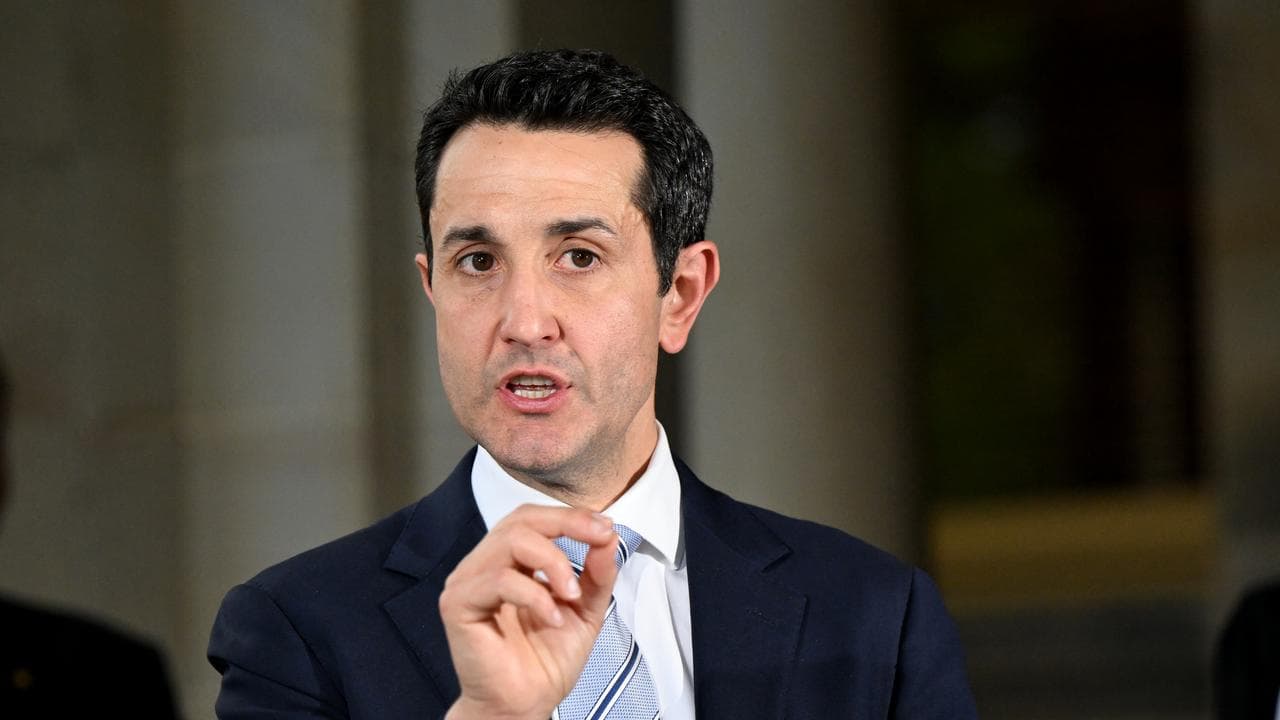
It came just weeks after international rowing bosses had raised concerns about the venue's fairness to Brisbane organisers.
There was also plenty of debate over its suitability after it was revealed the site was a crocodile habitat.
Local mayor Tony Williams played down fears the reptile would be a 2032 threat but urged visitors to be "croc-wise" by following simple safety tips devised for crocodile habitats.
"We're not shying away from it, there are crocodiles in the system," the Rockhampton mayor told AAP.
"There's crocodile management that can be put in place.
"I've swum in the river ... being aware that they inhabit the rivers, you've just got to be croc-wise."
According to the Queensland government website, the top "croc-wise" tips are: keep out of the water, stay more than five metres away from the water’s edge and keep a sturdy object between yourself and the water.
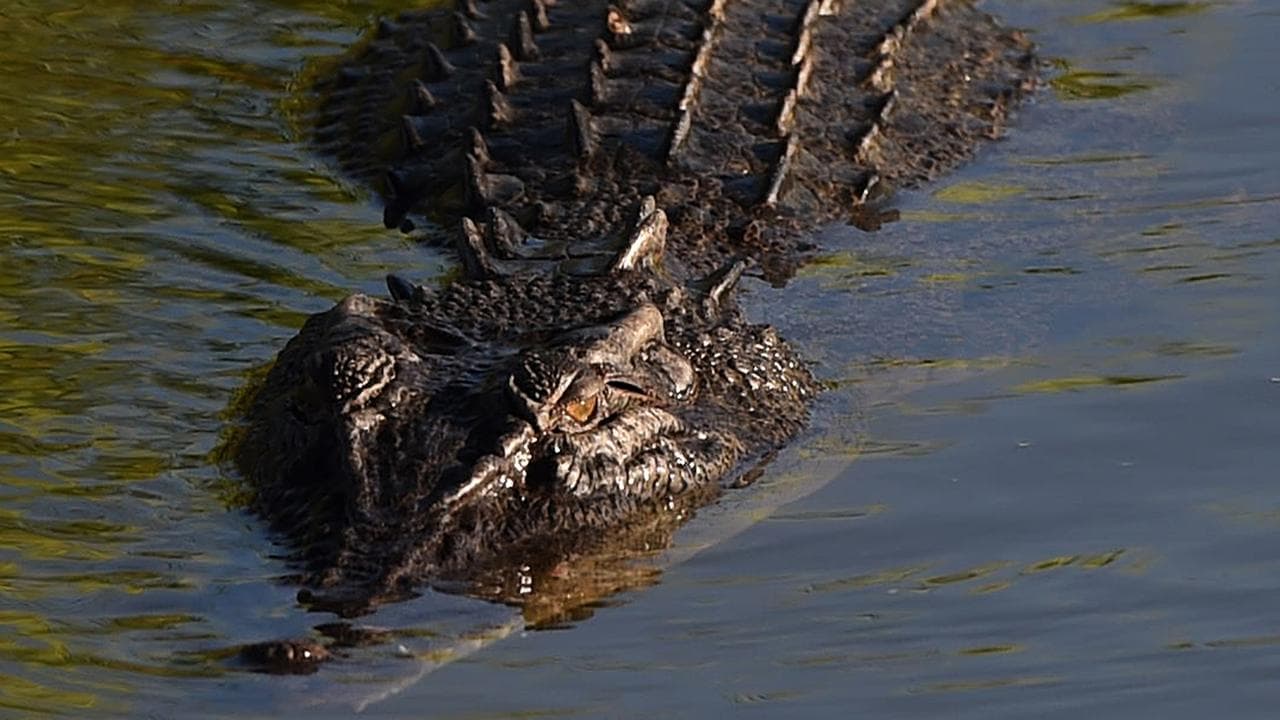
The issue was raised at a recent International Olympic Committee meeting when an official asked whether crocodiles would be behind a fence in 2032, saying if an athlete was bitten that would be the "end of the Games".
But local crocodile farmer John Lever said they would not pose a threat.
"There's very few crocodiles in the freshwater, downstream side of the river (near the course) - I think we've had four removed in 40 years," he told AAP.
"They're not of concern. The schools are out there every day with their rowing teams."
The Queensland Schools Rowing Championships will be held on the Fitzroy River from Saturday.
The government had faced enormous pressure to reconsider the site since first pitching the river as host in March 2025.
It ramped up at a recent World Rowing congress meeting, where the British, New Zealand and German federations told 2032 bosses their athletes were worried about the venue's fairness, safety and sustainability.
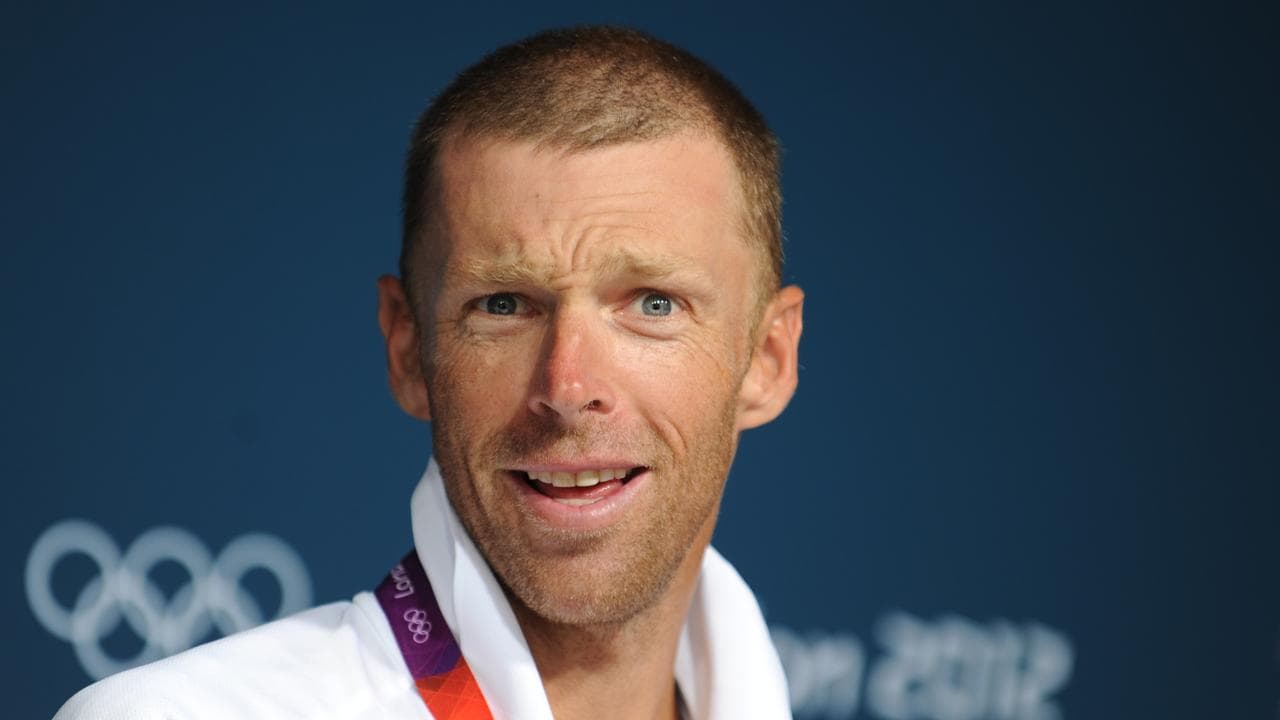
An open letter was signed by 542 rowers, including Olympians such as gold medallist Drew Ginn, and sent to the state government asking for the rowing venue to be built in southeast Queensland.
An alternative proposal at Moreton Bay, north of Brisbane, had been promoted as a world standard course at about half the cost of Rockhampton's site.
Mr Crisafulli had been defiant throughout the criticism and triumphantly broke the 2032 rowing venue news in parliament.
"Many have said it can't be done ... we reject that view. We back in regional Queensland - no ifs, no buts," he said.
Critics had argued flooding and heavy silt loads would demand constant dredging and repairs to keep an Olympic‑standard course open on the Fitzroy River.
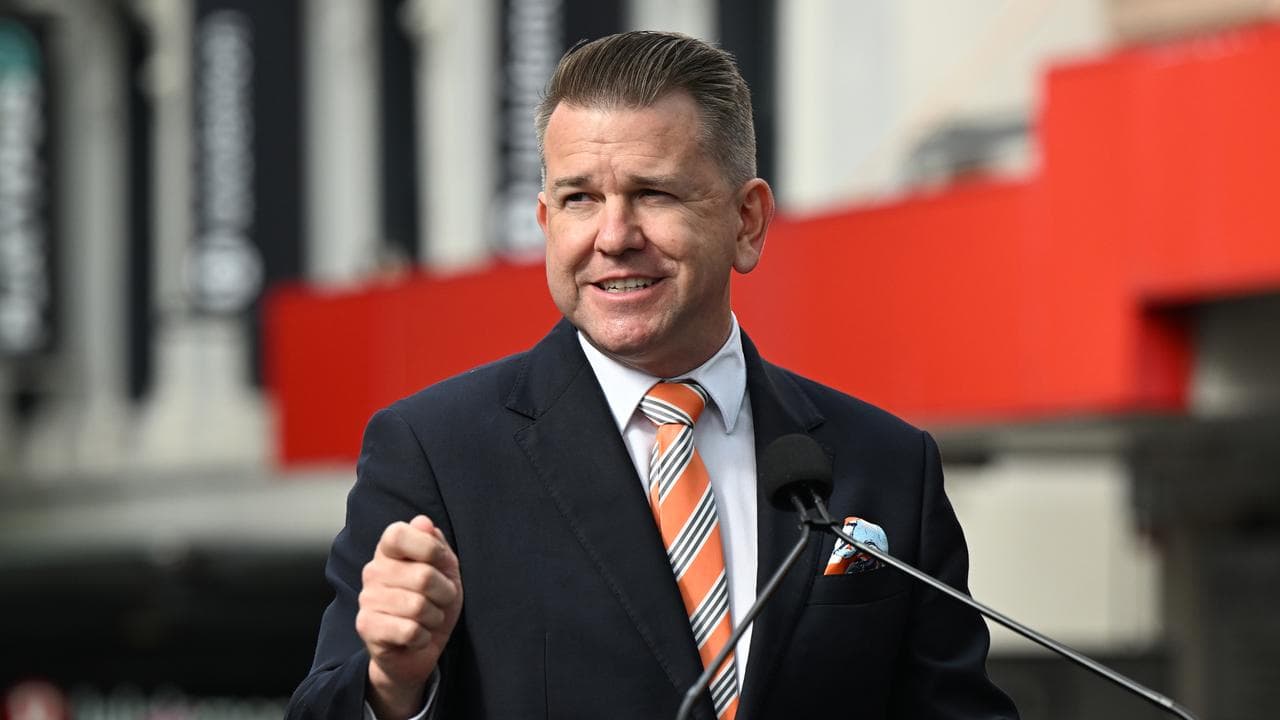
But Deputy Premier Jarrod Bleijie said there would be “no widening, no dredging needed” after analysis showed the river could cater for a full width Olympic course with eight lanes plus room for start and finish areas.
The IOC endorsed the course after a technical assessment by "internationally renowned marine engineering experts".
World Rowing and Paddle Worldwide endorsed the venue after reviewing the data and representatives inspected the site.
Rowing Australia acknowledged the assessment's completion but said it had no involvement.
Paddle Australia said the assessment showed the river provided a fair field of play but would continue to advocate for a permanent canoe sprint venue in Queensland.


