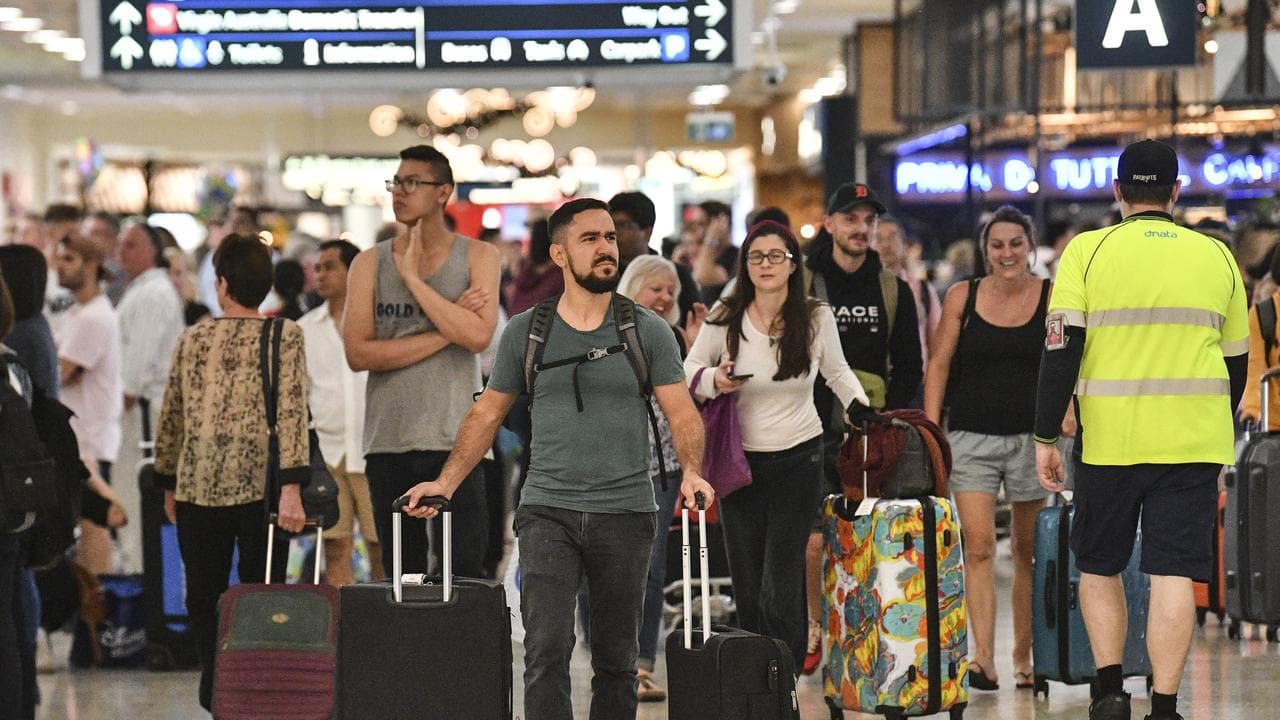
An overhaul of the government's migration policy has been further delayed, as fresh polling confirms the issue is behind a surge of support for One Nation.
Prime Minister Anthony Albanese revealed migration would not be on the agenda of Tuesday's cabinet meeting in Perth.
Labor was expected to unveil changes to its migration settings in a speech by the home affairs minister at the National Press Club earlier in August.
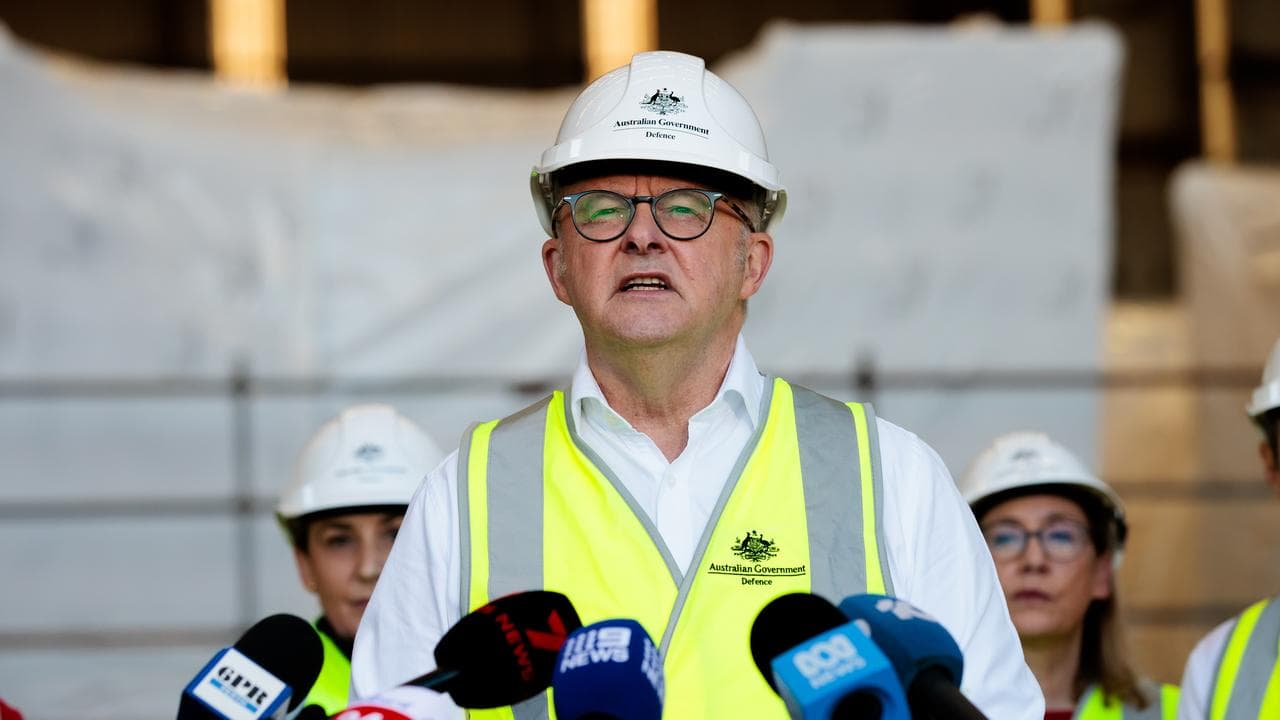
But the address was cancelled at the eleventh hour due to cabinet not agreeing to the changes amid internal division.
The prime minister said it would be some time before the policy is finalised.
"We have a series of plans in place. There's more work to do, and we'll work on that and make announcements at appropriate times," he told ABC Radio on Tuesday.
"We want to make sure we get it right, and we have got migration policy as front and centre."
Labor has forecast it will have an annual net overseas migration figure of 225,000 people.
Migration numbers have been the focus of debate after One Nation MP David Farley claimed the party's figures would include an extra 100,000 people annually, on top of the 130,000 it had already committed to, making it higher than Labor's.
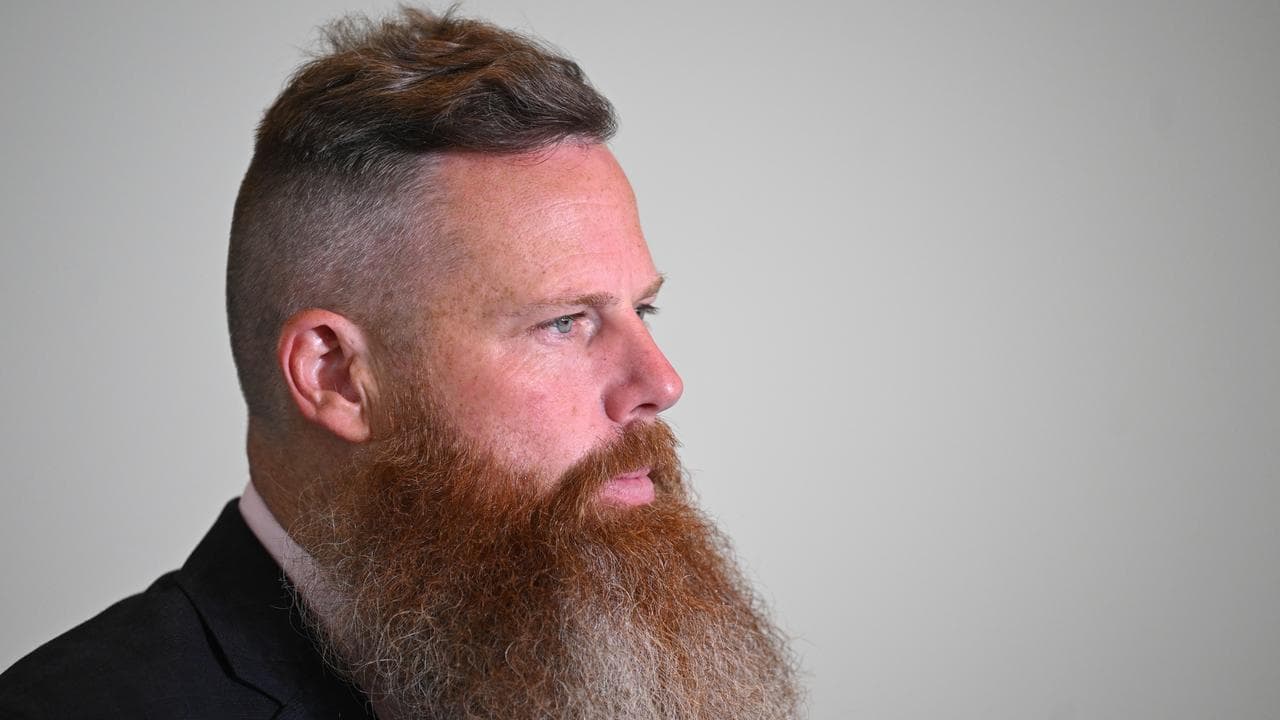
The comments prompted an intervention from Senator Hanson on social media, stating the party remained committed to a 130,000 person a year target.
Mr Albanese said the incident demonstrated the party was not coherent when it came to migration policy.
"One Nation on Sunday pointed out the hypocrisy when they said 130,000 plus an additional more than 100,000 because you need essential workers in aged care, in agriculture, in all of these areas as well," he said.
"One of the things that the business community have said to me here in Perth is the importance of skilled migration in construction."
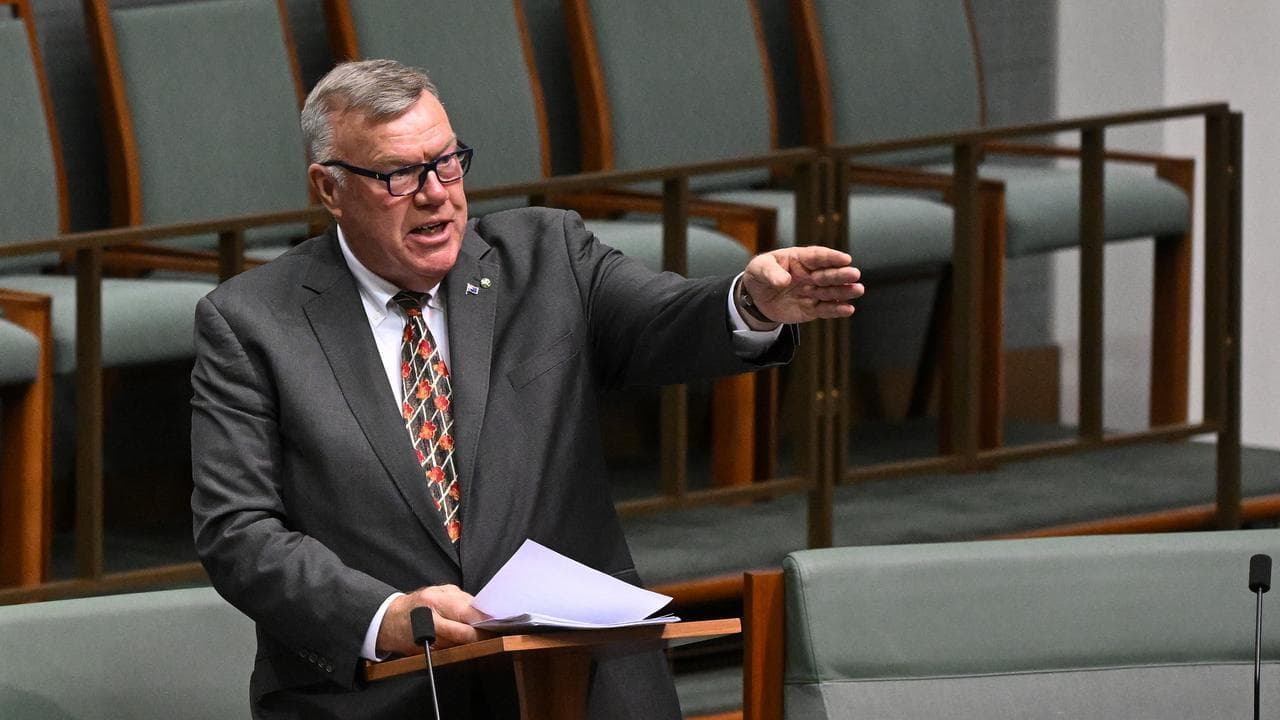
Labor MP Dan Repacholi said concerns from the One Nation MP about migrants working in regional communities not being impacted by migration policy changes were valid.
"David Farley's right, we do need to make sure that we're looking after people in rural and regional Australia," he told Nine's Today program on Tuesday.
"We need to make sure migration is at the right numbers. Because we need to make sure that we're getting the fruit off the trees, we're getting the grapes picked in both of our areas, and we're making sure that we're filling these jobs.
"We have thousands and thousands of jobs around the country that aren't being filled right now and we need to make sure we're doing that."
An Utting Research poll in Nine newspapers surveyed 1000 One Nation supporters and showed immigration was the top concern for voters who had switched allegiances to the minor party.
The poll found 91 per cent said the country was heading in the wrong direction, with 39 per cent of those saying immigration was the main reason for it.
It's above the 35 per cent who blamed cost-of-living issues for why the country was going down the wrong path, followed by politicians and government at 32 per cent and the economy at 26 per cent.
The coalition has yet to indicate a number for what it wants the annual net overseas migration target to be, only indicating the figure would be tied to housing completions.
Opposition Leader Angus Taylor said the coalition's target would likely be under 200,000 people annually.
"It's got to be a number that we can deal with. What I can say is it'll be substantially below the numbers we have seen in recent years," he told Seven's Sunrise.
"The real mistake we've seen in recent years is to allow the immigration numbers to get way above what we can cope with as a country, and the single most important indicator of that is how many houses we've got."


