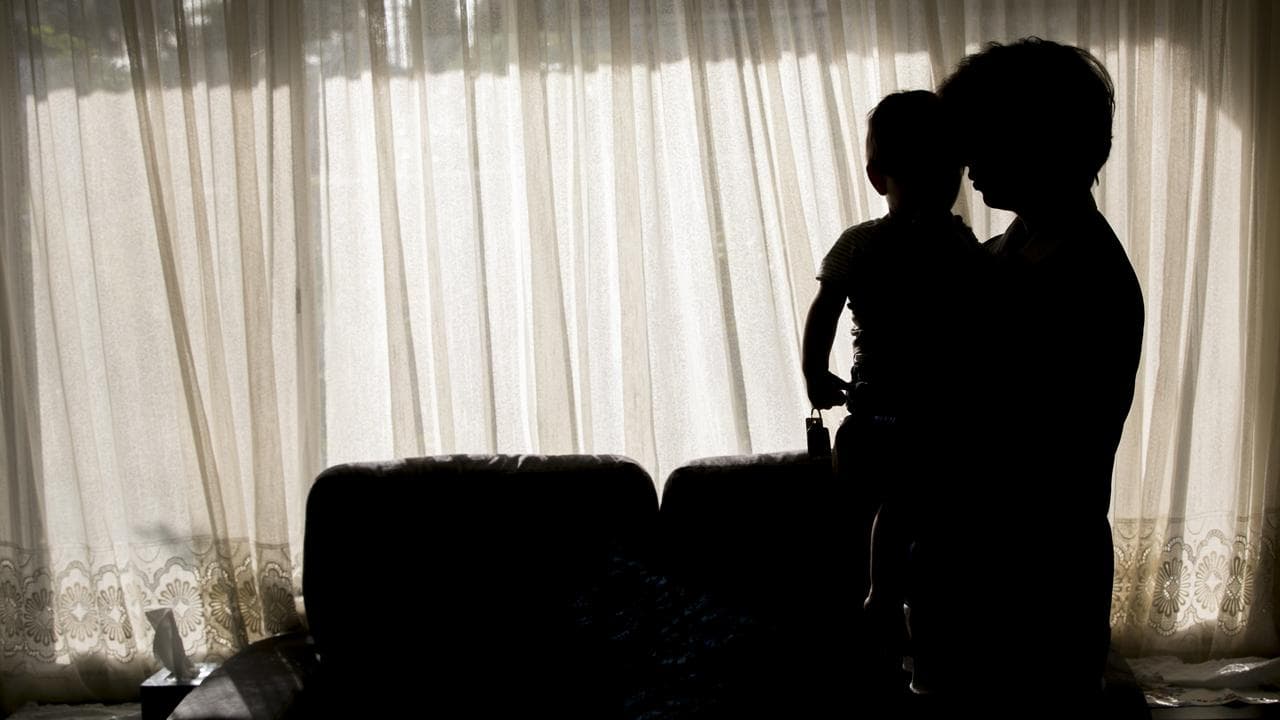
Migrant and refugee women face a difficult decision if subjected to family violence.
Leave their partner, when they may not have working rights or be able to access Centrelink, while isolated from loved ones overseas and on a precarious visa.
But male perpetrators of violence from migrant and refugee backgrounds also face significant barriers in trying to change their violent behaviours.
Systemic, structural, language, cultural and community obstacles all compound to limit migrant and refugee men's participation and engagement in behavioural change programs.
The finding comes from a study published by Australia's National Research Organisation for Women’s Safety.
Overstretched and underfunded services are meanwhile trying to fill the gaps.
Melbourne's inTouch Multicultural Centre Against Family Violence was started four decades ago by women to help migrant and refugee communities.
It runs programs in 30 languages, including for migrant and refugee perpetrators of violence, with two in Dari, or Persian, and an English-Hindi hybrid.
"Supporting survivors in their journey of rebuilding their lives is really critical," says inTouch chief executive Tania Fahla.
"But how do we help support men who are using violence, to change their lives?
"People do want to stay together as well. Not everyone wants to leave.
"It's about how you work together with them to make sure they can stay safely in the relationship."
Its Motivation for Change program began as a way to support men before they engaged with statutory services, but this has changed due to a scarcity of available programs.
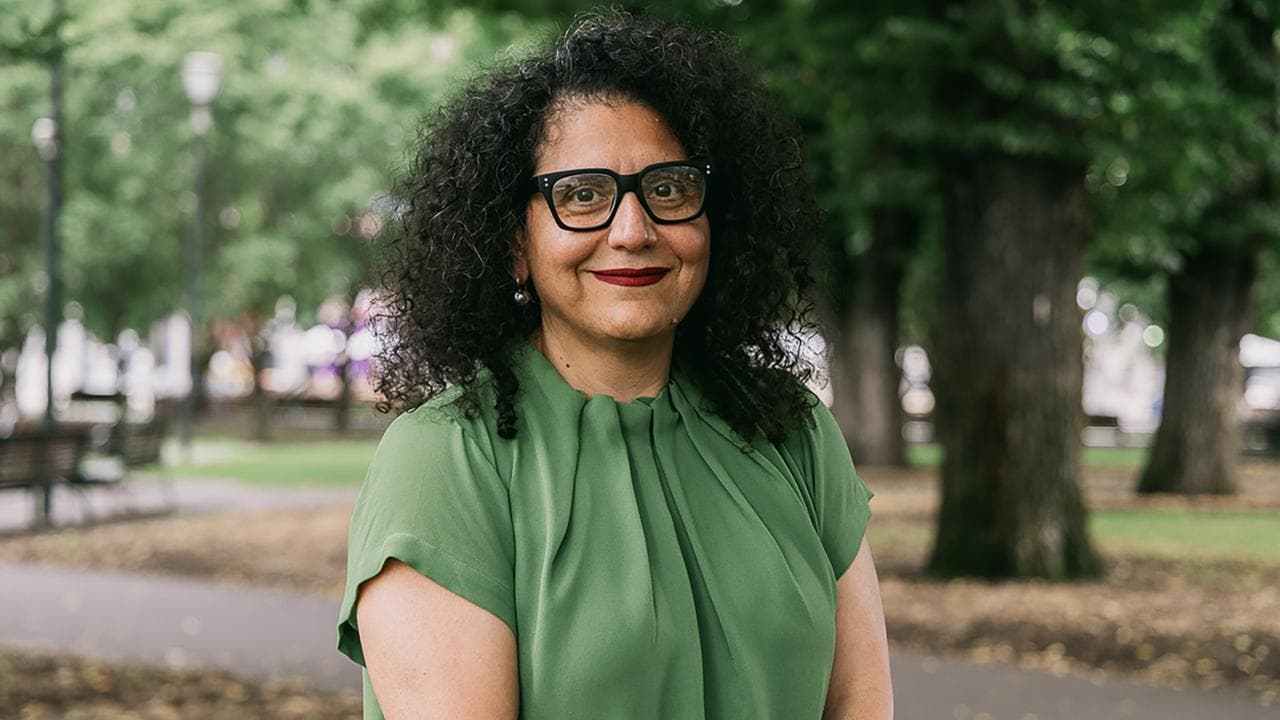
"There's a dearth of responses for men from migrant and refugee backgrounds. There's hardly any programs that run in this space," Ms Fahla tells AAP.
"While not mandated by courts, we get a lot of referrals from courts. We get a lot of referrals from child protection, but we also get a lot of self-referrals from men."
Family and domestic violence perpetrators from migrant and refugee communities come with their own unique challenges, including trauma from witnessing political unrest or torture, she says.
They may be experiencing instability due to migrating to a country where they do not speak the language and there could be cultural differences in how male entitlement and privilege shows up.
"Violence occurs in all communities, all cultures, all religions ... so this is not a cultural problem," Ms Fahla notes.
"But it's about how do you use what people know, which is their culture, to address this issue and make sure you can do it in a language that can help them address their behaviour?"
No to Violence, Australia's peak body for working with men to end family violence, says barriers for accessing programs from migrant communities "can be significant".
"They include language, a shortage of culturally appropriate programs, stigma and shame, unfamiliarity with Australian systems and distrust of services shaped by experiences of racism, discrimination or trauma," according to chief executive Phillip Ripper.
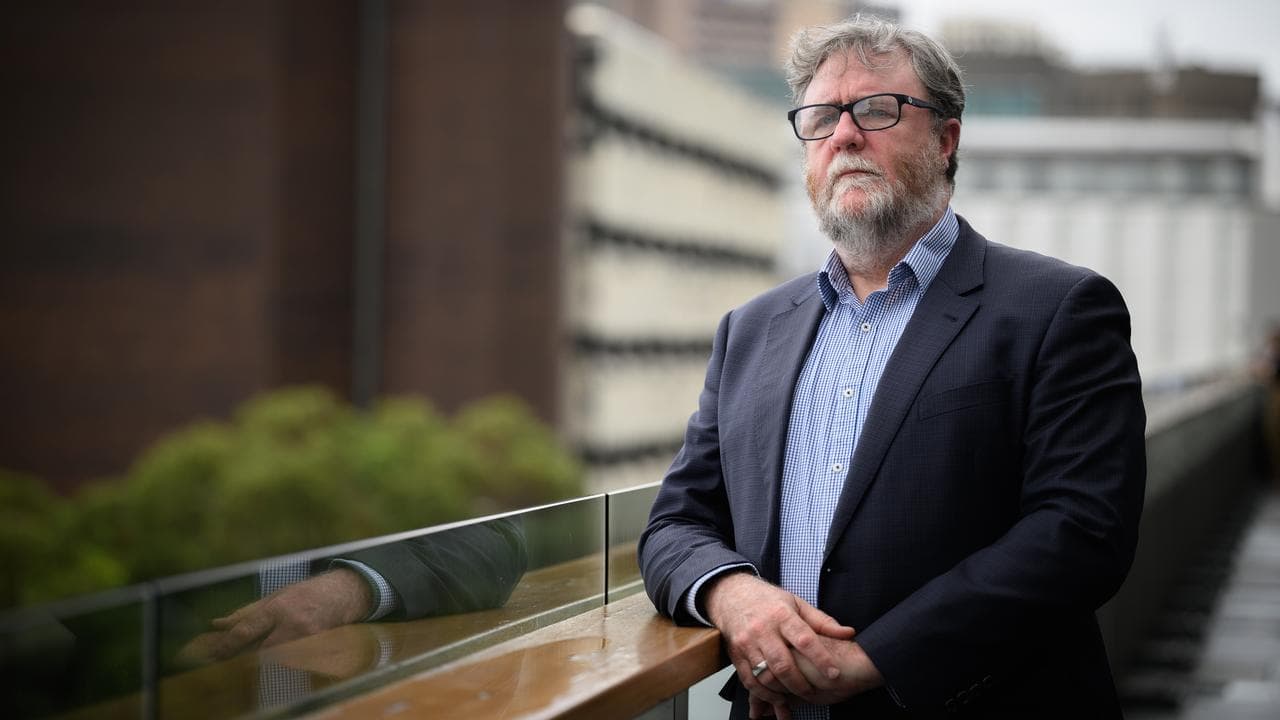
How services are broadly designed is an issue as too many assume one model will work for every man, and it is important for practitioners to challenge men's violence or harmful beliefs without stereotyping communities, he adds.
"When practitioners are more familiar with a man’s cultural, religious and migration context, they are better placed to build the trust needed to challenge his behaviour and hold him accountable."
Mr Ripper says there must be sustained investment in bilingual and bi-cultural practitioners and stronger links with settlement, mental health, housing and other services migrant and refugee men and their families may already be accessing.
The Asylum Seeker Resource Centre has noticed more clients coming to them in desperate need due to family violence situations.
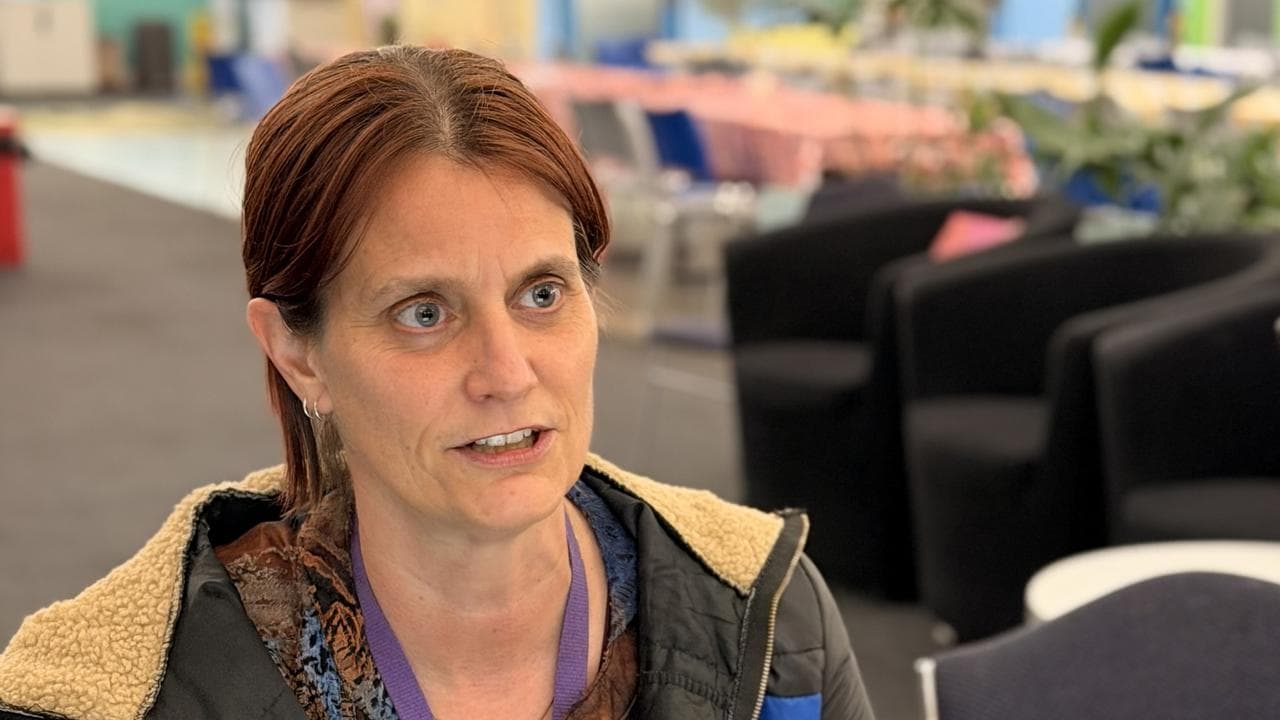
"I'm guessing it's because mainstream is just not coping," says its humanitarian services manager Nina Field.
"So they end up coming to organisations like us.
"We're not a family violence specialist service, but we seem to be seeing a lot of people in really challenging situations with nowhere to go."
The ANROWS report called for multicultural and ethno-specific organisations to be funded to help deliver behavioural change programs in more languages, with flexible funding for migrant and refugee support to offer tailored intervention in prevention and early intervention.
Faith-based communities and leaders should be engaged for the work and mainstream men's change program facilitators must be given training on anti-racism, cultural safety and humility.
ANROWS research director Kristin Diemer says there is limited access to all men's behavioural change programs in Australia and the mainstream offering is often not suited to migrant men.
"Because they've been designed for an English-speaking Western population, a lot of the examples in the programs are not culturally appropriate," she says.
"Facilitators, if they're not culturally-informed, may not easily be able to tailor the content in a way that's easily understood by a person where English is their second language or they've recently arrived in Australia."
Greater investment in practitioners and specialised training to deliver change programs is also needed, Dr Diemer says.
"It's really challenging work, so we need to invest in that specialised skillset to deliver these programs."
Extending programs to more men from diverse backgrounds should be used to collect data, which Ms Fahla says will mean a stronger evidence base to develop methodology and enhance intervention.
"To see: what are the turning points; what are the changes; what are the micro wins that help then build practitioner insight and capability."
Research commissioned by Victoria's justice department into behavioural change program availability and effectiveness is being conducted by Melbourne University.
Lead Jess Letch says 45 men who have participated in programs are being interviewed for the study, with their progress tracked over five years.
In one example, they said a facilitator did not "quite grasp" what a migrant participant was trying to explain when it came to the significance of parents-in-law in their family dynamics.
"There's probably some missed opportunities sometimes when we have mainstream services not attuned to the experiences of culturally and linguistically diverse people," they said.
No to Violence is working with members and partners on better research, workforce development, practice improvement and advocacy to strengthen the system and reach men earlier.
It will release its 2026-2030 strategy on Monday, which aims to meet different men and communities where they are, while keeping them accountable.
"Victim-survivor safety must also remain at the centre of that work," Mr Ripper says.
1800 RESPECT (1800 737 732)
Lifeline 13 11 14
Men's Referral Service 1300 766 491


