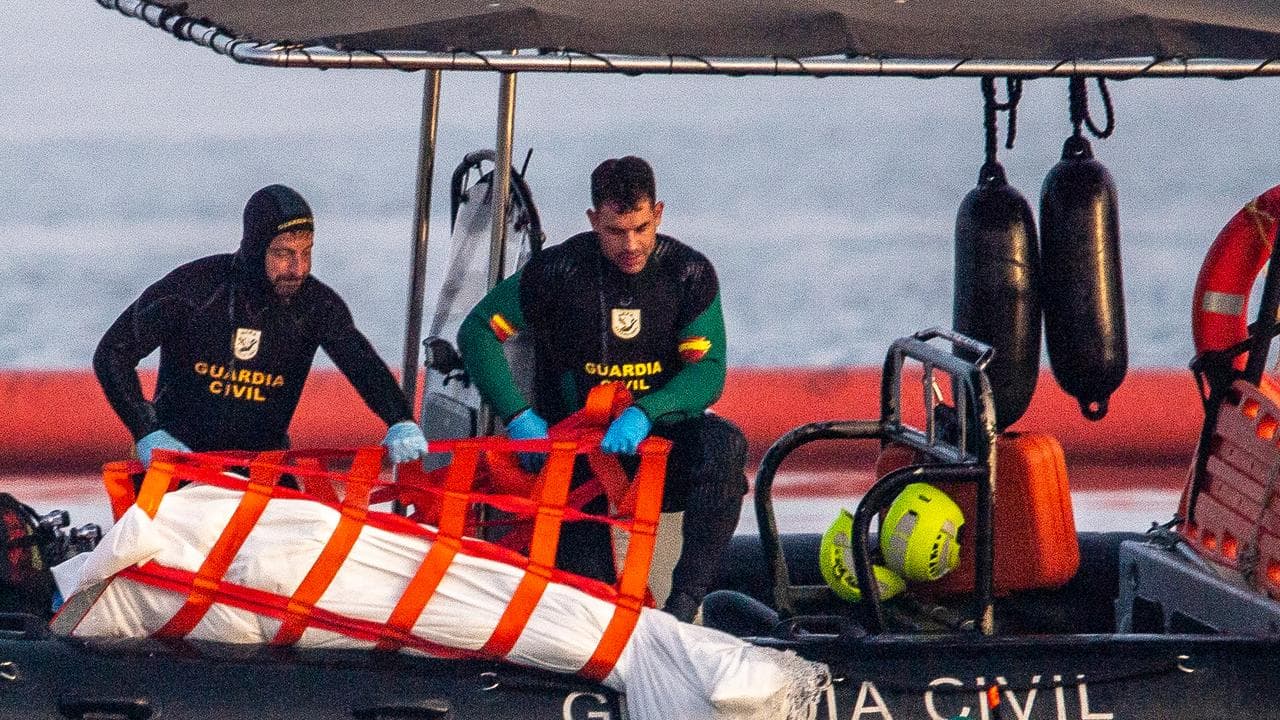
The death toll from a mass rush of migrants from Morocco into the Spanish enclave of Ceuta has reached at least 72, as five more bodies were found along the North African coast.
The number of fatalities was considerably higher than what was announced by Moroccan authorities on Sunday.
More than 50,000 people crossed into Ceuta by land and sea in an unprecedented surge that began on Thursday at one of the European Union's only two land borders with Africa, prompting alarm across the bloc.
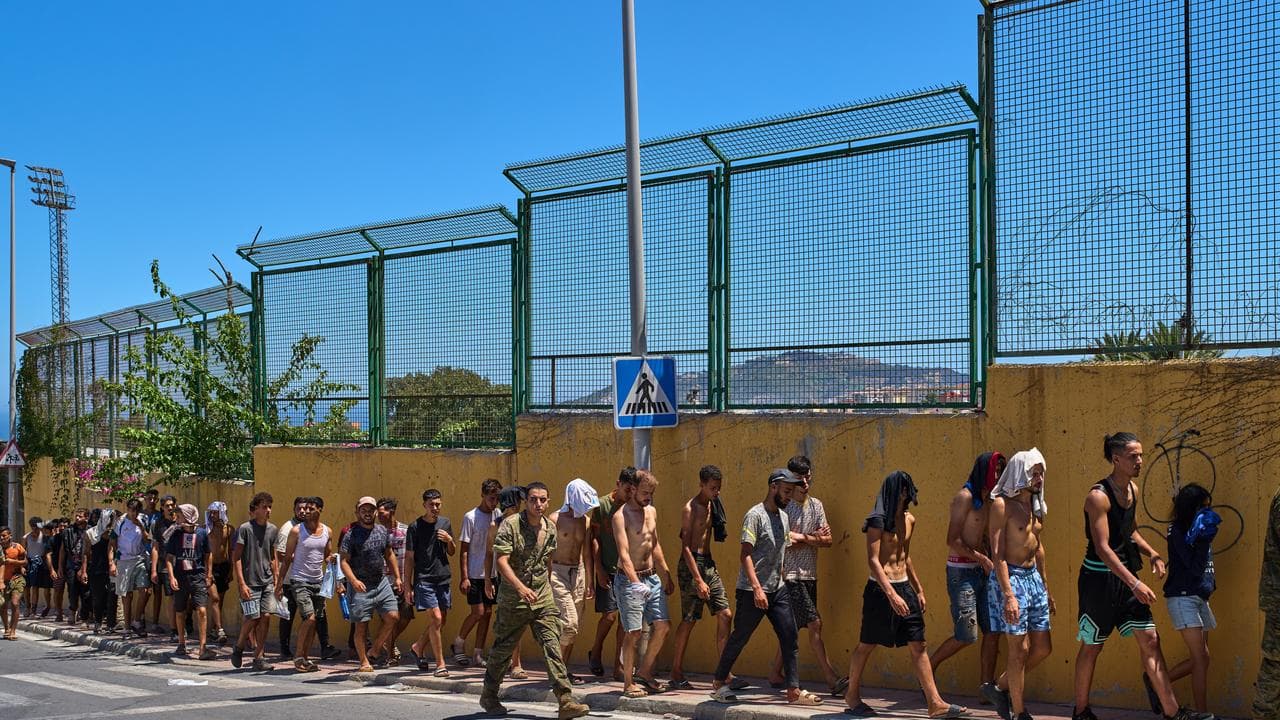
More than 48,000 returned to Morocco within 48 hours and more did so over the weekend, Spanish authorities said.
The Spanish government representative in Ceuta, Miguel Angel Perez, told reporters on Sunday that, in addition to the 72 fatalities, more than 1000 people had been treated by health services.
The situation in the enclave had improved markedly, he said, but more remained to be done to re-establish normality.
Some migrants drowned and others were crushed while trying to climb a breakwater and border fence.
Many had been driven to migrate by economic hardship and encouraged by social media rumours.
Morocco's Interior Ministry said in a statement on Sunday that 11 people had died, mostly by drowning while trying to cross into Spanish territory, noting that it was fact-checking reports on deaths from the other side of the border.
The ministry blamed the rush of migrants on social media misinformation, human trafficking networks and misinterpretation of a Spanish ruling banning immediate returns of migrants intercepted at sea.
That statement is similar to the Spanish Foreign Ministry's comments on the matter.
Moroccan authorities set the number of those involved in the crossing at 40,000, far lower than the figure used by Spanish officials, adding that 1135 were stopped from entering Melilla, another Spanish enclave.
The statement reiterated that Morocco was committed to countering illegal migration and called for the burden of managing migration to be shared.
"It pains me deeply that young people are dying at sea. It's not right that, in the year 2026, women with children as young as two months old should be crossing the sea only to die," Karima Abenaz, a French national in Ceuta with family in Morocco, said while holding back tears.
"In Morocco, there's food, there's everything we need," she added.
"If we don't have a decent job, we should go on strike and demand our rights from the government. We shouldn't be dying at sea, it's not right."
Ceuta leader Juan Jesus Vivas told the newspaper El Pais the city's morgue had received 88 corpses, including some who had died in earlier, smaller attempts to reach the territory in hazardous night-time swims over the past two weeks.
He said Moroccan authorities were also recovering bodies from the sea, but no official information was available.
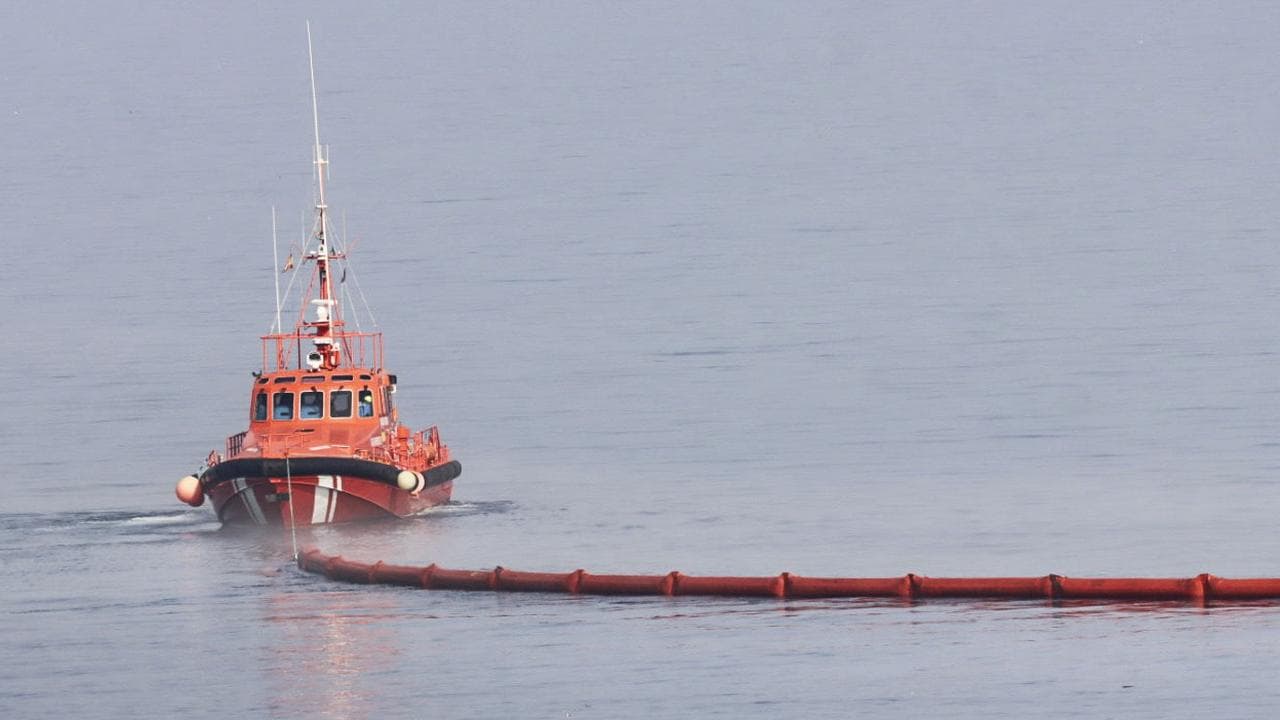
Authorities have reinforced police and army patrols. A 500-metre floating barrier was installed off Ceuta on Saturday.
Twenty-two European Union member states wrote a letter asking for co-ordinated action to protect external borders and other measures after the Ceuta incident.
Italy suspended passport-free Schengen travel arrangements with Spain for one month.
Spain has adopted a more open stance on migrants than most other EU countries, introducing a program to grant residency to more than half a million undocumented people.
It has rejected suggestions that the scheme encouraged the rush into Ceuta, saying that those who entered the enclave irregularly could not travel on to mainland Spain or elsewhere in the Schengen zone.


