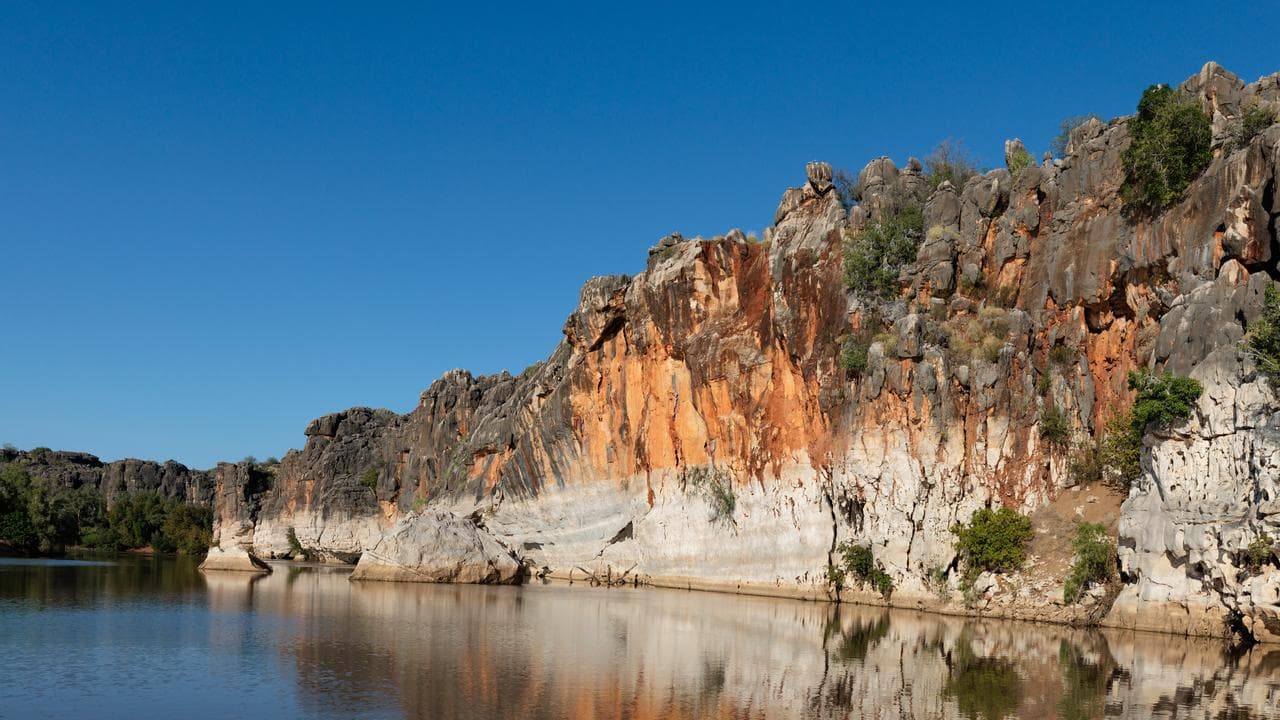
A river in northern Australia is the major artery in a pristine savanna, weaving 750km through rugged ranges and ancient gorges, with rare fish swimming in its waters.
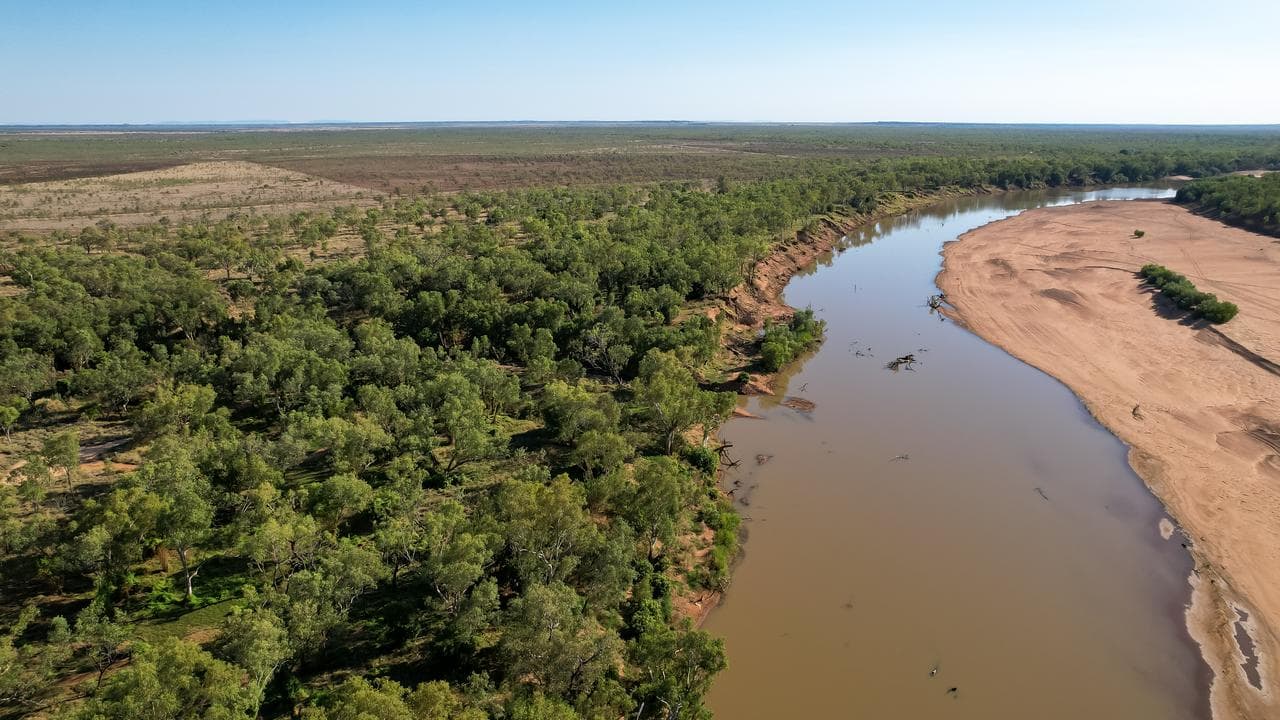
The Fitzroy River, known as Martuwarra, in Western Australia's Kimberley region, supports a fragile web of life with a complex catchment spanning almost 94,000 sq km.
In boom times, when the arid landscape floods and thousands of water birds descend to feed, Martuwarra is said to become one of the largest rivers in the world.
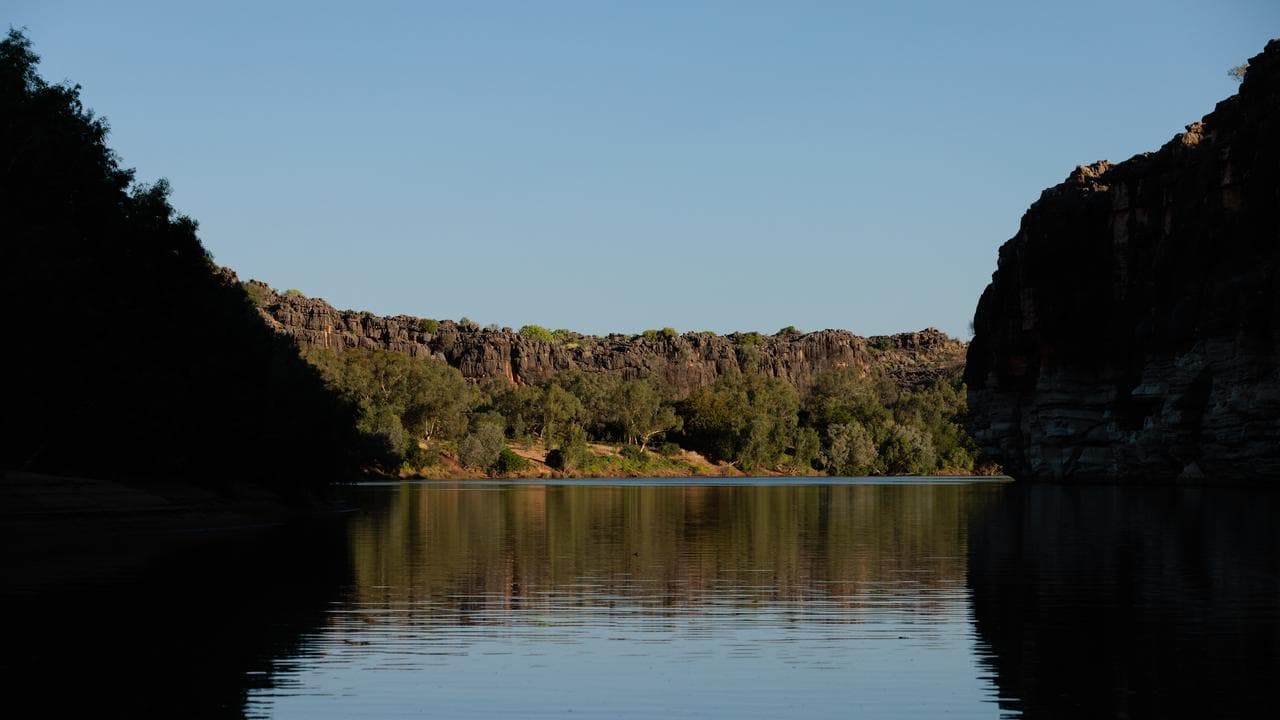
Therein lies the long-standing tension over the future of the river, which is both a significant cultural, spiritual and ecological landmark, and an envied resource.
After decades of debate involving conservationists, traditional owners and irrigators, the WA government has released a draft management plan with limitations on water use.
The government says its vision is to support a thriving Kimberley region with a free-flowing river that upholds ecological and cultural values while also supporting economic development.
Total groundwater use will be capped at 75.7 gigalitres a year, while no new surface water entitlements will be issued, backing-up a commitment never to dam the river.
But that allocation is still industrial-scale, equivalent to one-quarter of Perth and southern WA's annual water usage, says Environs Kimberley executive director Martin Pritchard.
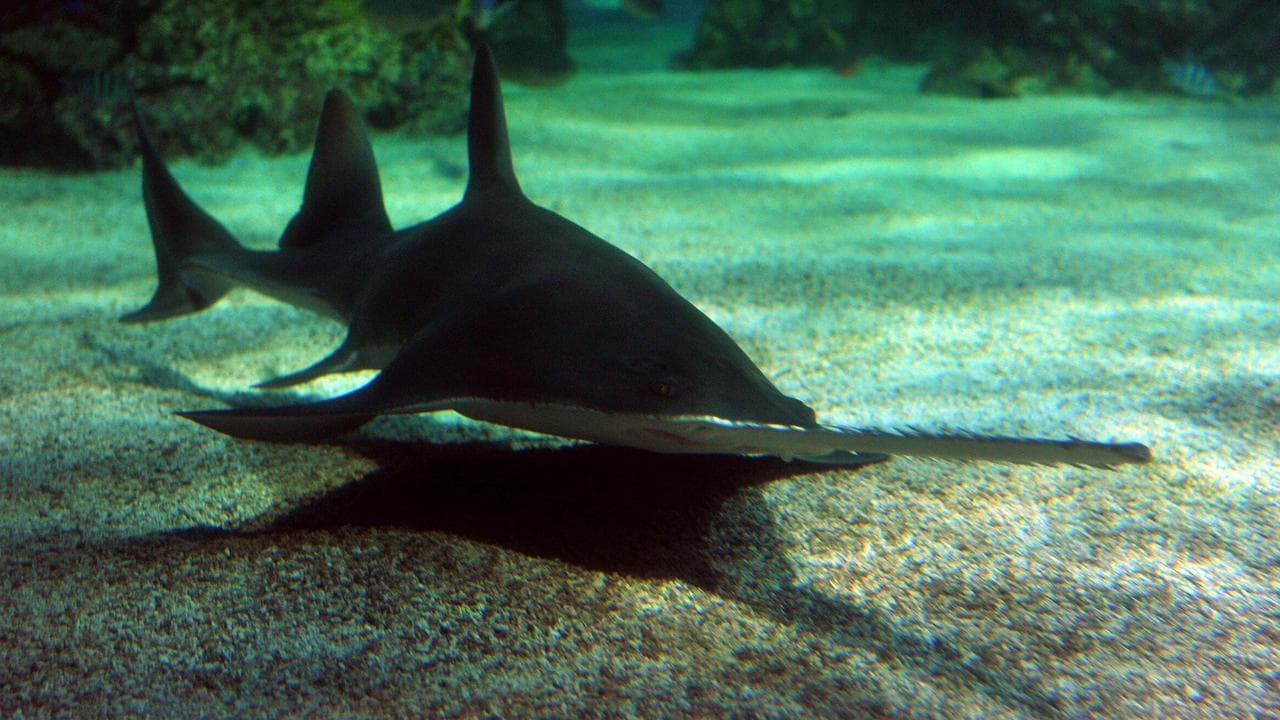
It risks widespread land clearing and destructive pumping from the river, which is the last stronghold of the critically endangered freshwater sawfish, he says.
"There's a biodiversity crisis with an extreme loss of nature across the planet," Mr Pritchard tells AAP.
"There's also a climate change crisis and we cannot continue with the old destructive economy.
"It's time to transition to a smarter economy that ... is in tune with people's lives and in tune with the river."
Martuwarra has been in the sights of irrigators and developers for decades, with a failed bid to dam the river and develop a food bowl in the 1980s.
Sprawling cattle stations, including those owned by Australia's wealthiest person, Gina Rinehart, have previously flagged hopes to access billions of litres to boost their operations.
The sector has long maintained that extracting surface water would have a limited effect on river health, something conservationists and many ecologists dispute.
Craig Moritz, an Australian National University biologist who was among a group of scientists to warn against over-extraction on the river, says the draft plan appears to consider both communities and nature.
"(It) looks to me to be a good balance between valid development needs -especially for Indigenous communities - and environment," Professor Mortiz says.
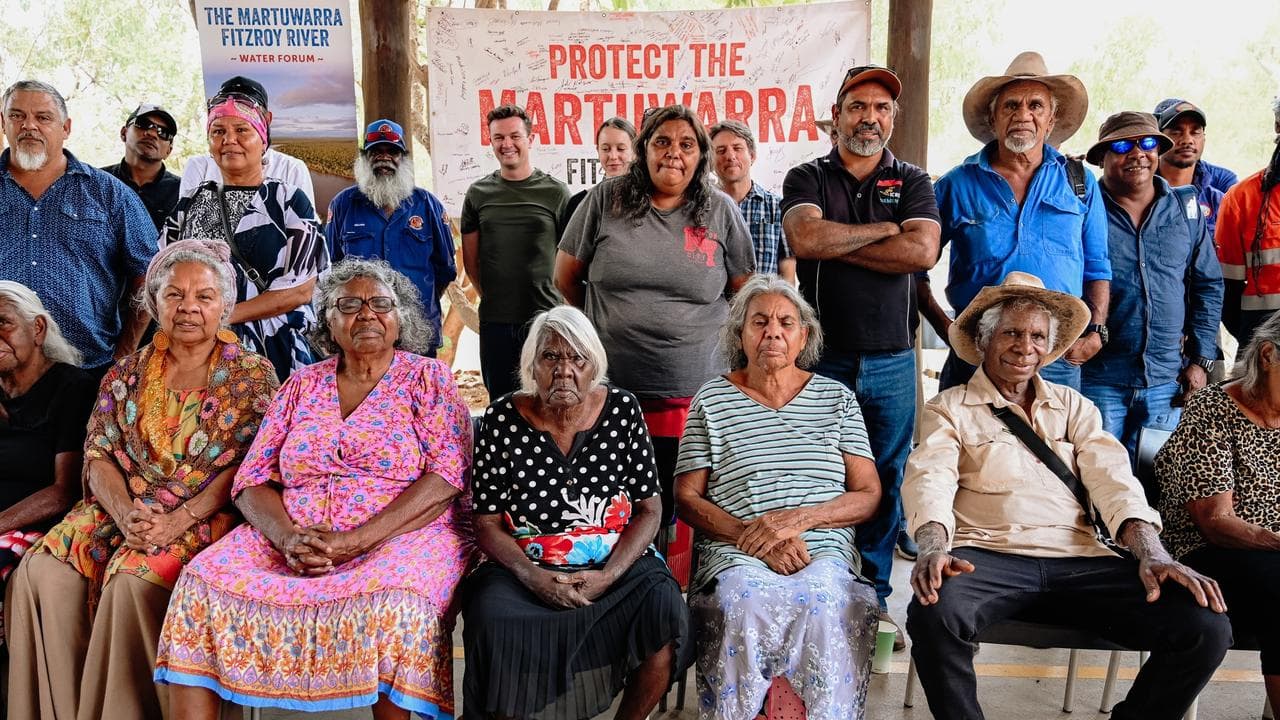
Traditional owners say the protection of water resources is not at odds with sustainable economic development.
But the government plan is underwhelming, doing little to ensure Indigenous governance or respect for continuous knowledge, according to a statement from the Traditional Owner Water Working Group and the Kimberley Land Council.
"Country is telling us that conditions are changing. The response must be to act together, as equals." the statement says.
"We are calling for a clear commitment from government to reform water laws and address the structural barriers that continue to exclude traditional owners from decision making."
For farmers, the river's immense flows seem like a missed opportunity, Pastoralists and Graziers Association of Western Australia president Digby Stretch says.
"When there's cubic kilometres of water going out to sea in a big wet ... and we don't have the ability to put some of that water aside for future use in drier seasons, it doesn't seem sensible."
Farmers are also invested in the river's longevity and want fair and responsible access, Mr Stretch says.
"Water drives industry, water drives communities and industries drive communities."
One thing all sides of the debate agree on: Martuwarra cannot go the way of the Murray-Darling, with mass fish kills and towns that run dry.
"We've got the world's largest, most intact tropical savanna, according to the scientists who have done the work on this," Mr Pritchard says.
"If Australia, as a wealthy country, can't look after this vast tropical savanna and keep it intact, then how can we expect any other country to do the same?"
Submissions on the draft plan close on June 30.


